10-Second Tesla for less than $55k?
The 2024 Tesla Model 3 Performance makes 510 hp and weighs 4,054 lbs. Can it crack a 10-second quarter mile for under $55,000? Here's what the math says.
Can the 2024 Tesla Model 3 Performance Run a 10-Second Quarter Mile?
Tesla has long been a leader in electric vehicle performance, and the latest 2024 Tesla Model 3 Performance, the "Highland" generation, raises a genuinely interesting question: can a production electric sedan priced under $55,000 crack the 10-second quarter mile? With a meaningful bump in horsepower and real-world results that have consistently beaten theoretical predictions, the answer deserves a close look at the numbers.
Specs and Improvements Over the Previous Generation
The 2024 Tesla Model 3 Performance runs a dual-motor setup producing 510 horsepower. The previous-generation (2019-2023) Model 3 Performance produced 455 horsepower. That is a 55-horsepower gain. Curb weight moved in the same direction: the Highland comes in at 4,054 pounds, compared to approximately 4,048 pounds for the outgoing car. The weight delta is essentially a wash, so the horsepower increase is doing all the work here.
Calculating the Estimated Quarter-Mile Time
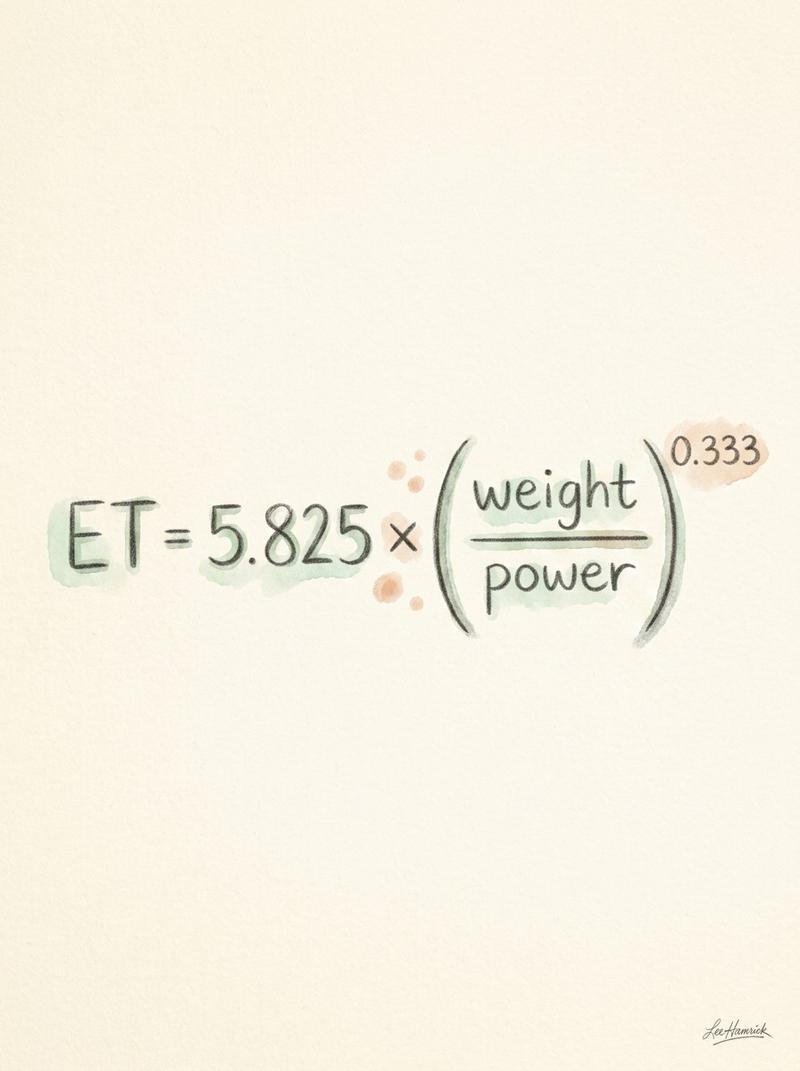
A common back-of-the-envelope formula for estimating quarter-mile elapsed time is the Hale ET formula: ET = 6.269 x (Weight / Power)^0.3333. It was developed for internal-combustion cars and tends to read pessimistic for EVs, which is relevant context for everything that follows.
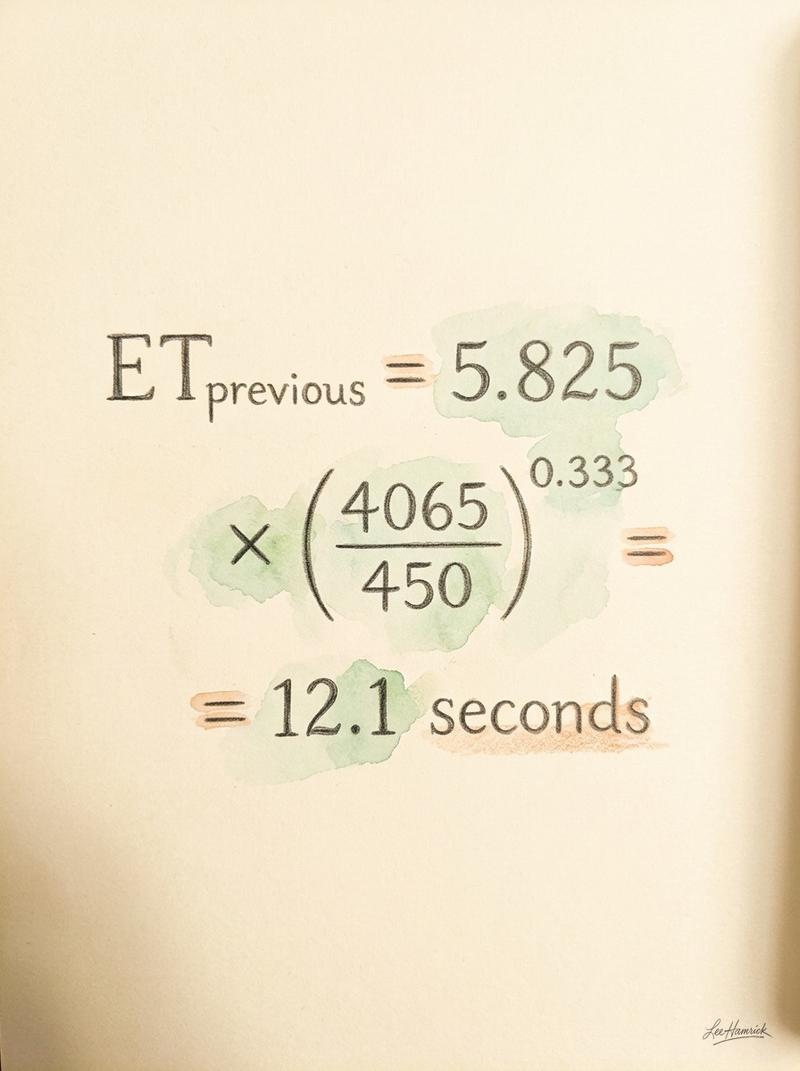
For the outgoing 2019-2023 Model 3 Performance, plugging in 4,048 lbs and 455 hp gives an estimated ET in the low-to-mid 12-second range.
For the 2024 Highland, 4,054 lbs and 510 hp gives an estimated ET in the mid-12-second range.
Both of those are estimates derived from a formula built for a different kind of powertrain. Treat them as a baseline, not a prediction.
Why Real-World Times Beat the Formula
The Hale formula does not account for how an electric motor delivers torque, which is instantly and at every rpm, nor does it account for Tesla's launch control, traction management, or the software tuning Tesla applies between software updates. Those factors consistently push real-world EV times below what the formula computes.
No documented strip times for the Highland generation specifically have been published at the time of writing. What that means in practice: the gap between the formula's estimate and whatever the car actually runs is genuinely unknown. The previous-generation car closed a similar gap, but how much the Highland closes is still an open question.
Tesla has also not published specific details about what software optimizations the Highland received at launch relative to launch behavior or traction calibration. The company describes the dual-motor system as including torque vectoring, meaning torque is distributed between the front and rear axles independently to improve traction and cornering stability, but the Highland's implementation versus the outgoing car's has not been detailed in any source available at publication.
How Close Can It Get to 10 Seconds?
A 10-second pass from a 4,054-pound sedan making 510 horsepower would be extraordinary. The math says the formula-estimated time is well above 10 seconds and EVs beat the math, but the margin required to reach 10 seconds is not small. Getting there would require near-perfect launch conditions, optimal surface grip, and likely further software tuning beyond what the car ships with. Whether any Highland has actually run a 10-second quarter mile is not documented anywhere in the research available for this piece.
What trap speed the car is running, the velocity at the end of the quarter mile, would tell you a great deal about whether a 10-second pass is structurally possible or whether the car simply runs out of road. That number has not been published for the Highland either.
[IMAGE_3]
Verdict
The 2024 Tesla Model 3 Performance's jump from 455 hp to 510 hp, at a curb weight that barely changed from 4,048 to 4,054 pounds, puts its formula-estimated quarter-mile time well above 10 seconds. That estimate is almost certainly optimistic in the wrong direction, EVs beat the Hale formula consistently, but by how much, and whether the Highland has already cracked 11 seconds on a real strip, is not yet documented. A 10-second pass is a question worth watching. It is not yet an answer. The car is priced under $55,000, and for anyone chasing quarter-mile performance at this price point, that question alone makes it the one to watch.

Written by
Lee Hamrick