The Impact of Women in Autocross
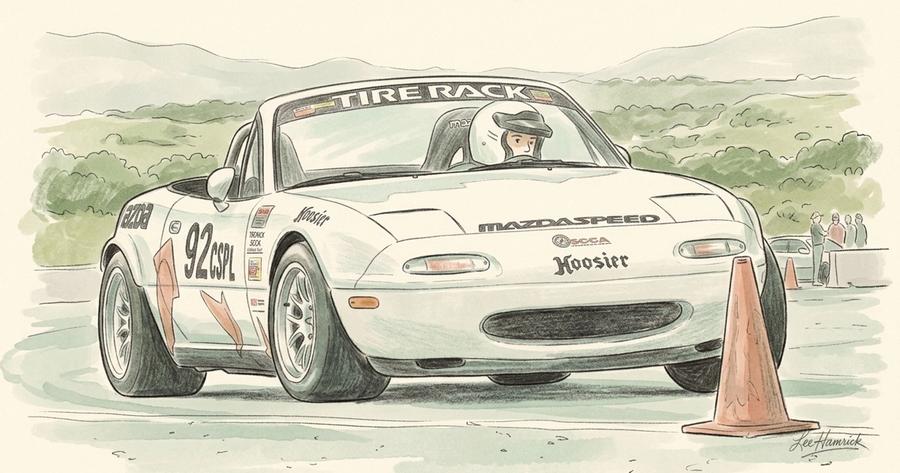
Autocross is a popular form of motorsport that has seen significant growth…
Autocross doesn't ask much of you to get started — a car, a helmet, and a willingness to thread a tight cone course against the clock. That low barrier to entry has made it one of the most genuinely diverse disciplines in motorsport, and women have been central to shaping what the sport looks like today, both behind the wheel and behind the scenes.
What Makes Autocross Different
Before examining the role women have played, it helps to understand what autocross actually is. Competitors run solo, timed laps around a course typically laid out with traffic cones in a large parking lot. Runs last 60 to 90 seconds on average. There are no wheel-to-wheel battles, no drafting, and no pack racing — just driver skill, car setup, and split-second decision-making. Entry fees are low compared to circuit racing, and many events welcome virtually any street-legal car.
That accessibility matters. Motorsports with high financial and logistical barriers tend to reflect the demographics of those who can afford them. Autocross, by keeping costs down and competition open, has created space for drivers who might otherwise never get a seat.
Women as Competitors: Records, Skills, and Representation
Women have been competing in autocross for decades, and the results speak plainly. Female drivers have set class records, claimed national titles at events like the SCCA Solo National Championships, and done it driving everything from stock hatchbacks to purpose-built prepared cars. These aren't participation milestones — they're outright competitive achievements against mixed fields.
Beyond raw results, the visibility of women competing at a high level carries real weight. When a woman sets a class record or earns a national trophy, the message to other prospective drivers is concrete: this is something you can do, and do well. That kind of representation has a compounding effect on participation numbers over time.
Several women who built their skills in autocross have gone on to compete in rally, hillclimb, and circuit racing. The car control fundamentals that autocross develops — threshold braking, weight transfer management, finding the limit of grip on varied surfaces — translate directly to those disciplines. Autocross, for many, is where serious driving careers begin.
Leadership and Organizational Roles
Competitive results are only part of the picture. Women have taken on significant organizational roles at both local club and national levels within bodies like the Sports Car Club of America. These positions involve event organization, rules development, safety oversight, and strategic planning for the sport's growth. Administrative work is unglamorous, but without it the cones never get set and the timing systems never run.
This kind of institutional involvement has practical consequences. When women hold leadership roles in organizations, they tend to advocate for policies that make the sport more welcoming to new participants — clearer entry-level guidance, mentorship structures, and outreach programs aimed at groups that have historically been underrepresented.
Recruitment, Education, and Growing the Field
Participation doesn't grow on its own. Women in autocross have been active in recruiting new drivers, running instructional programs, and working to bring younger people and other women into the sport. Driver education at autocross events is a formal part of many clubs' structures, and having experienced women in instructor and mentor roles makes a measurable difference in whether newer female drivers feel welcomed and capable.
This recruitment work also addresses one of the more persistent challenges in any niche sport: people don't try things they've never seen anyone like them do. Outreach changes that equation. When a young woman sees a female driver running competitive times and then has the chance to ride along or receive instruction from her, the sport stops being abstract and starts being possible.
Challenging the Assumptions Around Motorsport
Motorsport carries inherited assumptions about who belongs in it. Autocross, partly because of the women who have competed and organized within it, has pushed back against those assumptions more effectively than many other disciplines. The timed solo format itself removes some friction — there's no teammate to defer to, no crew chief making calls, just the driver and the course. Performance is the only metric that matters.
Women competing at the front of their classes, setting records, and running national championships have demonstrated over many years that driving skill is not a gendered trait. That might seem obvious, but sports cultures shift slowly, and consistent, visible performance over time is what actually moves the needle.
Key Takeaways
- Autocross's low cost and open entry structure have made it one of the more accessible forms of motorsport, creating genuine opportunity for women to compete and lead.
- Female drivers have set class records and claimed national titles at events like the SCCA Solo National Championships, competing on merit in mixed fields.
- Women have held organizational roles at local and national levels, directly influencing how the sport is run and how welcoming it is to new participants.
- Autocross has served as a proving ground for women who have gone on to rally, hillclimb, and circuit racing, demonstrating the discipline's role in broader motorsport development.
- Active recruitment and driver education efforts led by women in the community have had a direct impact on participation numbers and the sport's long-term growth.

Written by
Renee Russell