The Best First Cars for New Teenage Drivers: Real Picks, Real Reasons

A sourced guide to the best first cars for teen drivers, with IIHS and NHTSA safety data, real reliability caveats, and honest ownership costs.
Let me save you the circular family debate. The first car for a new teenage driver needs to do four things well: keep them safe when they make a mistake (and they will), stay reliable enough that you're not fielding calls from the side of the highway, cost reasonable money to fuel and insure, and be something the kid doesn't actively hate. Every car on this list earns its place by hitting all four. None of them are compromises I'd apologize for.
All prices reflect used market values. No new cars here. Depreciation is the cheapest mod you can buy, and that's especially true when the driver is sixteen and still figuring out how parking lots work.
One note on sourcing: two vehicles here, the Corolla and the Civic, have enough documented safety and reliability data to discuss in specific terms. The others I've included because the case is honest, but where I can't point to a named source for a claim, I'll say so rather than dress it up.
What the Safety Data Actually Shows
The IIHS runs two award programs worth knowing. Top Safety Pick has been awarded since 2006. Top Safety Pick+ came in 2013 and sets a higher bar, requiring Good ratings in both the small overlap front and moderate overlap front crash tests, along with acceptable or better headlights and front crash prevention systems available as standard equipment.
For 2026 models, the cars in this price class that earned Top Safety Pick+ include the Mazda 3 sedan and hatchback, the Nissan Sentra, and the Subaru Crosstrek Hybrid. The Honda Civic hatchback and the Hyundai Elantra earned Top Safety Pick, one tier below. The IIHS also publishes a dedicated list of recommended used and new models for teen drivers, which is worth bookmarking before you start shopping.
On the feature side, the research on teen crash prevention points to a short list of systems that carry the most weight: automatic emergency braking (AEB), electronic stability control (ESC), and side curtain airbags. ESC in particular has documented effectiveness in reducing single-vehicle crashes, which are disproportionately common among new drivers. If a used car you're considering predates standard ESC, that matters more than most other spec differences.
Start Here: Toyota Corolla (2014-2019)
Market Value: $6,000 to $15,000
If you're not sure which car to buy and you want me to just tell you, it's this one. But the safety record deserves an honest read rather than a clean summary.
The 2014 Corolla earned a Marginal rating from the IIHS in the small overlap front crash test, which was enough to keep it off the Top Safety Pick+ list that year. It did earn Good ratings in moderate overlap, side, rollover, and rear impact tests, so the picture is mixed, not uniformly strong. Toyota updated the front-end structure on 2017 models to address the small-overlap weakness. If you're shopping this generation, the 2017-2019 cars are the safer buy on that metric alone.
Later models (2017-2019) added Toyota Safety Sense P as standard. TSS-P bundles four systems: Pre-Collision System with Pedestrian Detection, Lane Departure Alert with Steering Assist, Dynamic Radar Cruise Control, and Automatic High Beams. That's a meaningful safety package at used-car prices. The 1.8-liter four-cylinder makes 132 horsepower, which is plenty for the road and not enough to get anyone into real trouble.
The 2025 Corolla carries a Marginal rating in the IIHS moderate overlap front test, which is worth knowing if you're considering a newer used example. The mixed IIHS record across generations is the one honest caveat on an otherwise sound choice.
Yes, the driving experience is boring. That's a feature, not a defect. A new driver doesn't need entertainment from the chassis. They need a predictable, composed car that forgives inattention while they're still building habits. The Corolla does exactly that, and it'll still be running when they hand the keys to someone else.
Best If You Want the Kid to Actually Enjoy Driving: Mazda3 (2014-2018)
Market Value: $7,500 to $14,000
The 2026 Mazda 3 earns Top Safety Pick+ from the IIHS, both sedan and hatchback. For used 2014-2018 examples, I don't have systematic IIHS ratings to cite across the generation, so I won't claim them. What I can say is that the current car's safety standing is the strongest in this segment by the IIHS's own published list.
The driving feel is real. The steering delivers feedback, the suspension is tuned for body control rather than dead comfort, and the brake pedal has a consistent, progressive feel. Those qualities matter when you're trying to build a driver, not just a commuter. Rear seat and cargo space are tighter than the Corolla, and the sporty image attracts slightly higher insurance premiums in some markets. Get a quote before you commit. But if driving feel matters to your family and you want the car to teach the right lessons, the Mazda3 belongs on the shortlist.
Best for Cold-Weather States: Subaru Impreza (2012-2016)
Market Value: $8,000 to $16,000
If you're in the Upper Midwest, New England, the Rockies, or anywhere that sees real winter, this changes the conversation. Symmetrical all-wheel drive is standard across all Impreza trims, confirmed by Subaru's own specs. In genuine winter conditions that margin is real. AWD won't cure overconfidence, but it buys time and traction when a new driver encounters their first black ice or unplowed road.
Select models with Subaru's EyeSight system add automatic pre-collision braking and adaptive cruise. Sedan and five-door hatch body styles give families flexibility. On fuel economy: the base 2.0-liter engine returns around 31 mpg combined (28 city, 36 highway). The RS trim with the 2.5-liter engine returns better highway numbers but a lower combined figure, so the 31 mpg figure applies to the base engine specifically. Purchase prices sit at the top of this list's range. For drivers in California or Texas, the AWD premium doesn't pay off. For everyone above the snow line, it probably does.
Best Budget Option: Honda Civic (2013-2015)
Market Value: $7,000 to $12,000
The ninth-generation Honda Civic belongs on this list. The platform is versatile across coupe and sedan body styles, the styling has enough edge that it doesn't read as a punishment car, and the Civic carries enough cultural credibility that a teenager won't be embarrassed by it.
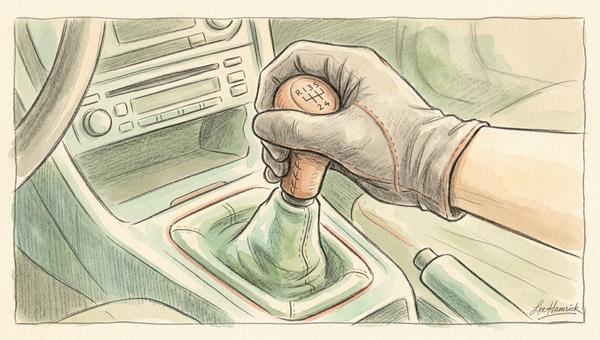
One honest note on the transmission history: the CVT was introduced on the Civic with the 2014 model year. The 2013 Civic did not offer one. CVT-related complaints for 2013 models do appear in NHTSA data, and a major NHTSA recall (15V-574) targeted CVT-equipped 2014-2015 models specifically. Manual-transmission examples sidestep this entirely and tend to be cheaper at purchase. On a Civic, a manual gearbox is the right call anyway. Insurance for young drivers on this platform can be meaningful, so pull quotes before you buy.
Best Value Per Dollar: Hyundai Elantra (2013-2016)
Market Value: $6,500 to $12,000
The 2026 Elantra earned Top Safety Pick from the IIHS. For the used 2013-2016 generation, I don't have specific IIHS ratings to cite, so I'll leave that claim off the table.
The value argument is straightforward. The 2013-2016 generation added rear-view cameras, Bluetooth, and heated front seats to lower trims at price points where rivals were still charging extra. The 1.8-liter engine returns around 38 mpg on the highway. Hyundai's powertrain warranty during this period was up to 10 years/100,000 miles for original owners. For used buyers, that coverage does not transfer in full: a used buyer typically receives the remainder of a 5-year/60,000-mile powertrain warranty, not the full 10-year term, which was specific to the original purchaser. The driving experience is unremarkable but composed and predictable, which is exactly what you want. Resale value has historically trailed Honda and Toyota, but that depreciation works in a buyer's favor at purchase time.
The Conditional Pick: Ford Focus (2012-2018)
Market Value: $5,500 to $13,000
The Focus has the best driving dynamics of any car on this list below $10,000. Ford's chassis engineers genuinely overdelivered for the segment: the steering is accurate, the body roll is controlled, and the car rewards a driver who pays attention. It's the one car here that could legitimately build enthusiast habits in a new driver.
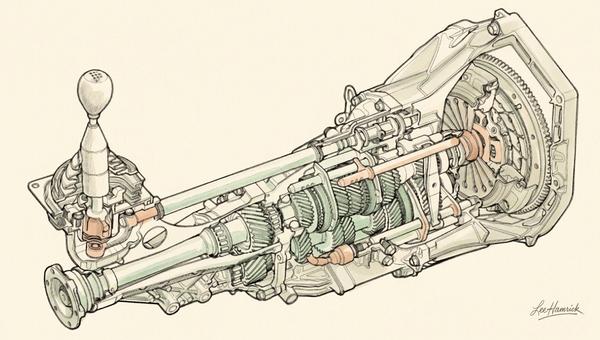
But there's a hard condition attached: the PowerShift dual-clutch automatic transmission, fitted to many 2012-2016 models, generated a significant number of complaints and a class-action lawsuit in the United States for shuddering, hesitating, and premature failure. Manual-transmission Focus models avoid this entirely. If the car you're looking at has the PowerShift automatic, walk away unless the price accounts for the risk. A manual-gearbox Focus is an excellent first car. A PowerShift Focus is a gamble. Know which one you're buying before you sign anything.
The Domestic Option: Chevrolet Cruze (2011-2015)
Market Value: $5,500 to $11,000
The Cruze offers a composed ride, decent handling, and genuine tech content for the money. OnStar, Chevrolet's connected-car platform, provides emergency services notification, stolen vehicle assistance, and turn-by-turn navigation, features that carry real practical value for parents of new drivers. Early 2011-2012 models logged documented oil consumption problems in the 1.4-liter turbocharged four-cylinder. A compression test and oil consumption check over a few hundred miles is worth doing on any early example before purchase. From 2013 onward the issue was substantially reduced. Insurance costs on a Cruze can run higher than on the Corolla or Elantra, so get a quote first.
[IMAGE_3]
The Knowledgeable-Family Pick: Volkswagen Jetta (2011-2014)
Market Value: $5,000 to $10,000
The sixth-generation Volkswagen Jetta punches above its price point on interior quality and driving feel. The TDI diesel variant delivers real efficiency, up to 42 mpg highway, and the GLI adds a 2.0-liter turbocharged engine with 200 horsepower, a proper sport suspension, and larger brakes. Both represent genuine value for the right buyer.
The honest caveat is that Volkswagen's cost of ownership is higher than Japanese rivals. Parts cost more, and labor rates at independent VW specialists exceed what you'd pay for equivalent Corolla or Civic work. Depreciation on this generation was steep. The Jetta belongs on this list for a family that can service it themselves or has a trusted independent shop. If every repair means an unfamiliar shop visit, the math gets harder. Know your situation before committing.
The Comfort Pick: Nissan Sentra (2013-2019)
Market Value: $6,000 to $12,500
The 2026 Sentra earned Top Safety Pick+ from the IIHS. For the used 2013-2019 generation, I don't have systematic ratings to cite, so I'll leave the safety claim at the current car's standing and let the used buyer verify earlier model years on the IIHS site directly.
The Sentra is the comfort-and-space specialist on this list. Interior dimensions are generous for the class, particularly rear legroom, which matters for a teenager who regularly carries friends. Fuel economy is competitive at around 37 mpg highway, and the ride quality is tuned firmly toward comfort. The CVT fitted to most examples is smooth and efficient but removes the driver from any sense of gear selection. More than any car here, the Sentra drives itself. For a new driver in an urban environment focused on covering miles economically, that's fine. For a family hoping the car teaches anything about driving, look higher on this list.
What Actually Matters Before You Buy
Start with insurance quotes, not a shortlist. The gap between insuring a teenager on a Corolla versus a Focus or Jetta can be significant, but the actual number depends on your zip code, the driver's record, and the coverage level you choose. I don't have a reliable national figure to give you here. What I can tell you is that insurance is routinely the largest annual cost variable in this price range, and it swings hard by vehicle. Get the numbers before you fall in love with a specific car.
Prioritize ESC and AEB on any used car you're considering. Electronic stability control has documented effectiveness against single-vehicle crashes, which are disproportionately common among new drivers. Automatic emergency braking adds another layer. Both are worth checking before the rest of the spec sheet.
Avoid the Ford Focus PowerShift automatic. This is a non-negotiable distinction. Manual-gearbox examples are excellent. The dual-clutch automatic carries documented reliability risk. Check the transmission before anything else on a Focus.
On the Corolla: buy 2017 or later if you can. The front-end structure change after the 2014 Marginal IIHS small overlap result makes a real difference. The price premium for a 2017-2019 over a 2014-2016 is usually modest and worth it.
AWD matters in cold climates. The Subaru Impreza is the only car here confirmed to offer it as standard across all trims. In the right geography it justifies the higher purchase price and fuel cost. In mild climates, it doesn't.
Factor in ownership costs, not just sticker price. Insurance, fuel, and maintenance over three years can easily exceed the price gap between a $7,000 Corolla and a $6,000 Jetta. The cheaper car at purchase isn't always the cheaper car to own.
The Corolla is still the place to start. The safety record is documented, the parts are cheap, and every mechanic knows the platform. There's time for something more engaging later, once the driving habits are built.

Written by
Lee Hamrick