The 1987 Chevrolet Suburban 6.2 Diesel: When Cheap Fuel Made Slow Profitable

The 6.2L diesel Suburban was a paradox: glacial performance and legendary longevity, bankrolled by fuel economics that don't exist anymore.
The 1987 Chevrolet Suburban 6.2 diesel exists in a specific slice of history that will never repeat: when diesel was commodity fuel, barely more expensive than gasoline, and everyone understood that buying a truck was a 300,000-mile proposition, not a five-year payment plan.
That context matters because the raw numbers are brutal. The 6.2L naturally aspirated diesel made 150 horsepower and 290 pound-feet of torque. A contemporary gasoline Suburban with the 5.7L 350 made 180 hp and more torque. The diesel Suburban accelerated like it was towing something invisible. Zero to 60 took north of 12 seconds. Top speed hovered around 105 mph, which wasn't a limitation imposed by the truck, it was just where the aerodynamics gave up.
So why would anyone buy it?
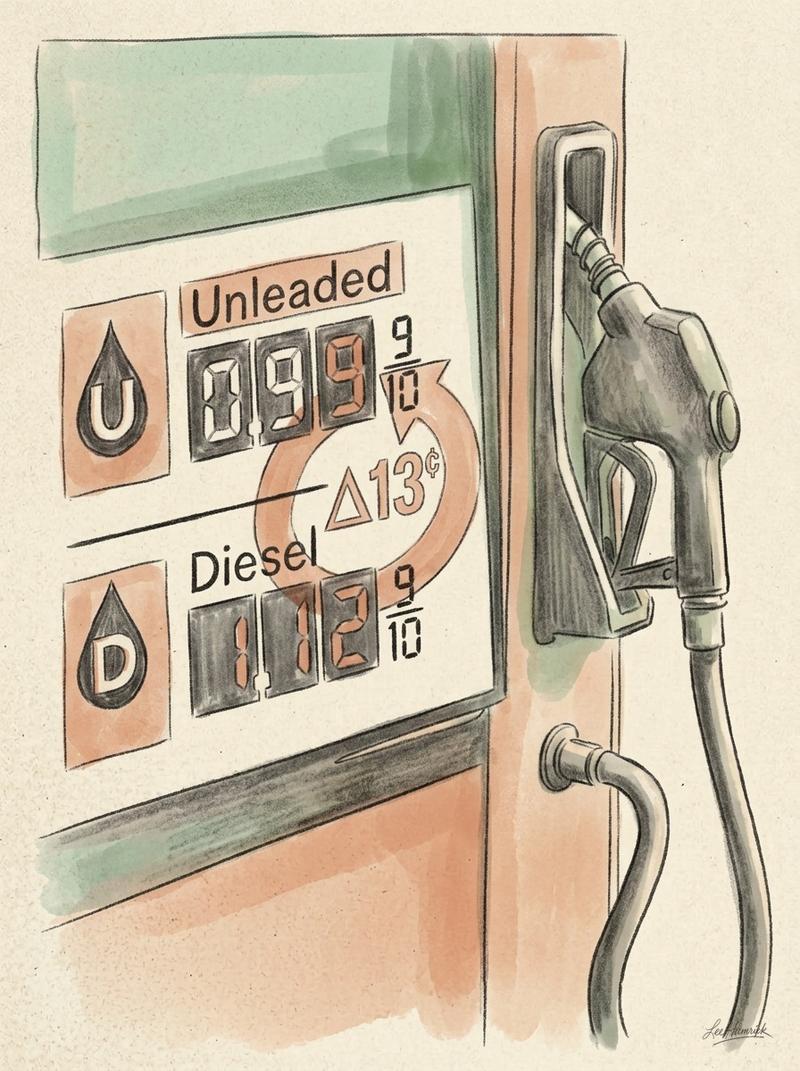
Fuel economy. In 1988, when MotorWeek tested the long-term Suburban, they reported 25,000 miles per year on fuel that cost 13 cents more per gallon than unleaded. That's the thing everyone forgets now: when diesel was cheap and gasoline was the premium product, the math inverted. You could drive that underpowered beast five days a week for less money than a comparable gasoline Suburban.
But there's a deeper engineering story hiding underneath.
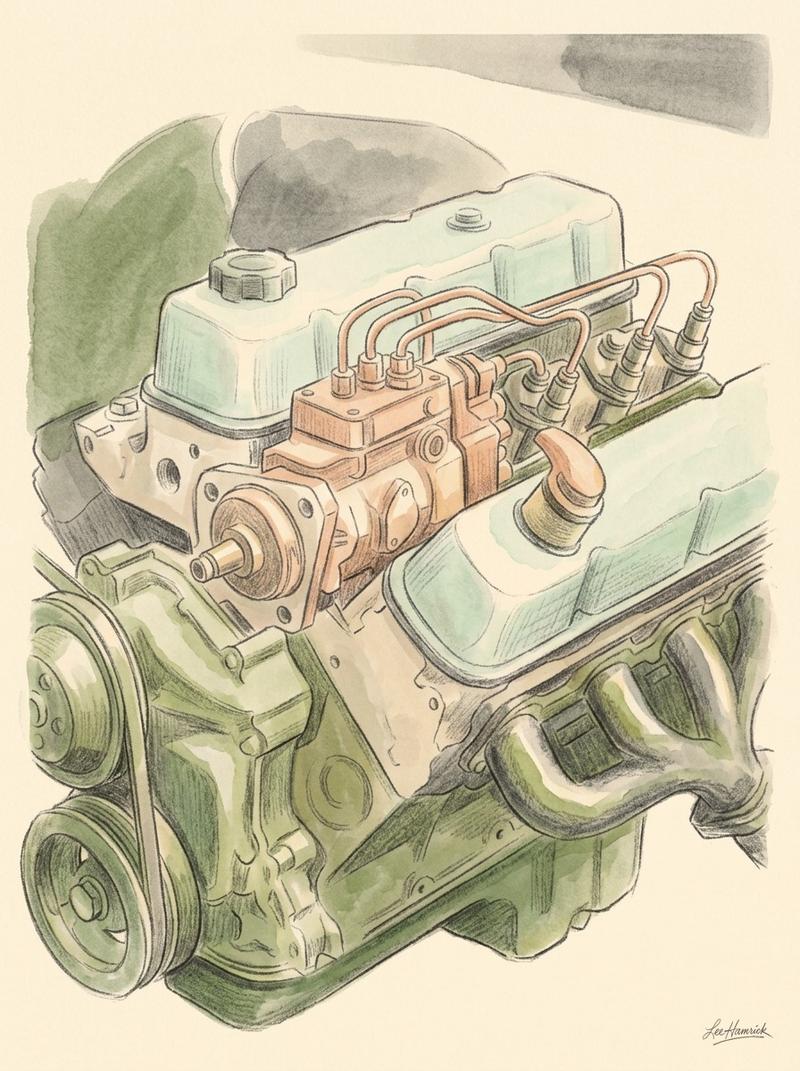
The 6.2L diesel was a cast-iron monument to mechanical simplicity. No turbocharger, no intercooler, no fancy fuel injection. Direct injection into the cylinder head, a thermostatic glow plug system, and a basic rotary injection pump. It made its peak torque at 2,000 rpm and basically didn't care what you did to it. You could run it on number 2 diesel in a Maine winter or the sketchy biodiesel blend from a farm co-op, and it would still start.
That was the actual value proposition. The gasoline 350 was faster, more responsive, and more familiar. The diesel was slower, noisier (diesel clatter at idle was legitimate), and harder to keep warm in winter. But it was also bulletproof in a way modern engines simply are not. The 6.2L would run 400,000 miles on a routine maintenance schedule. The oil change interval was longer. The transmission behind it didn't care if you downshifted on the highway or towed with the throttle pinned.
MotorWeek's long-term Suburban proved it. 25,000 miles per year on the same truck, week after week, and by the time they finished the evaluation, nobody was questioning whether it would survive another 100,000 miles. The question was whether you could afford not to keep driving it.
The economics were stacked in diesel's favor because the ownership assumptions were different. A 1987 Suburban diesel wasn't a vehicle you sold after five years. It was a capital purchase. You factored in 20 years of fuel savings, 400,000+ miles of depreciation that was so slow it barely registered, and the genuine belief that your truck would outlast you.
That calculus doesn't work anymore.
Modern trucks are financed on seven-year plans and resold every five. Fuel economy is measured in EPA estimates and advertised in marketing materials. A diesel truck costs eight grand more upfront, and you need $15,000 in fuel savings to break even before you hit 150,000 miles. By then, you've already sold it to someone else.
And the 6.2L diesel's actual advantage, mechanical bulletproofness, became irrelevant because modern engines can be programmed to last longer than most people want to own a truck anyway.
So the 1987 Suburban 6.2 diesel is a time capsule of an ownership philosophy that's extinct. It's slow by every metric that matters in 2024. It's loud, it's clumsy, and it's optimized for a world where people kept their vehicles forever because financial calculations said you should.
That actually makes it more interesting than it has any right to be. It's a truck that was engineered for the long game when everyone was playing it. And for one specific moment in history, when diesel was the cheap way to move metal, that was the only argument that mattered.
The numbers told you to buy it. Fuel economy did the selling. But the engine that actually made that work, the simple, mechanical, bulletproof 6.2L, was what convinced you to keep it for 400,000 miles.
That's not happening again. And that's the real story about 1987.

Written by
Ben Eckels