The 2026 Genesis GV60 Is Better Than Ever And Still Gloriously Weird
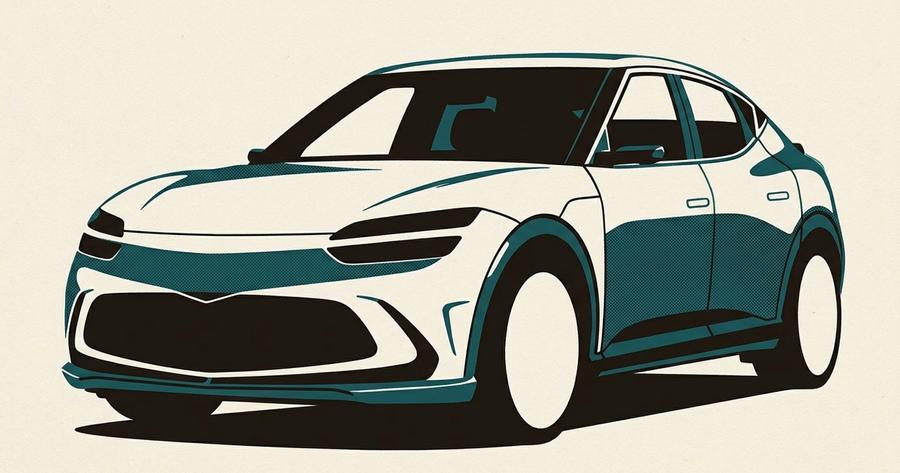
The 2026 Genesis GV60 Performance gets a larger 84 kWh battery, 252 miles of range, 483 hp with Boost, and keeps all the quirks that make it worth caring about.
Most EVs these days are competing to be the least offensive thing in the room. Smooth, predictable, loaded with a slab of glass where the dashboard used to be, and about as memorable as a conference room. The 2026 Genesis GV60 is not that car. It has a crystal ball for a gear selector. The glovebox pulls out like a drawer. There is a hidden cubby above the passenger door grab handle. It also now has enough range to stop being a punchline, which changes the conversation considerably.

The GV60 sits on Hyundai Motor Group's E-GMP platform, the same architecture underneath the Ioniq 5 and Ioniq 6, but Genesis dresses it up with its own styling and cabin logic. The trim being discussed here is the Performance, which is the middle-spicy configuration slotting below the upcoming GV60 Magma. Base price is $74,020 including freight, and the as-tested figure lands at the same number, which means this particular car came without a long options list to pick through.
The headline change for 2026 is an 84 kWh NCM lithium-ion battery pack, and it brings the EPA range to 252 miles. That is a real improvement over the prior generation, which drew consistent criticism for falling short of what buyers expected at this price point. Two hundred fifty-two miles is not segment-leading, but it is no longer a reason to cross the GV60 off the list. The 350 kW DC fast charging capability helps, and the switch to a standard NACS port means plugging into a Tesla Supercharger is no longer a negotiation.
Under the hood, if you want to call it that, the Performance makes 429 horsepower and 516 lb-ft of torque from its dual-motor all-wheel-drive setup. Hit the Boost button on the steering wheel and output jumps to 483 horsepower, with no cooldown timer. You can just keep pressing it. Genesis claims a sub-four-second zero-to-60 mph time, and nothing about the way this thing launches feels like it's arguing with that figure.

Here is where the GV60 Performance gets genuinely interesting from a driver's standpoint. Those paddles behind the steering wheel are not just for regenerative braking adjustment. Flick through them and the car simulates an eight-speed gearbox, complete with torque interruptions on upshifts, fake lugging if you're in a high simulated gear at low speed, and an artificial combustion soundtrack piped through the speakers. It is absolutely a gimmick. It is also well-calibrated enough that you will find yourself playing with it more than you expect. The Hyundai Ioniq 5 N goes further with this idea and integrates it more completely into the performance experience, but the GV60's version is a fun secondary mode rather than a core identity feature.
What actually impresses more than the theatrical stuff is the chassis. Genesis fitted Michelin Primacy Tour all-season tires as stock equipment, and at 483 horsepower they are just grippy enough to feel planted but communicative enough to tell you when you're pushing. Trail-brake into a corner and the GV60 rotates. Lift off mid-corner and it tucks, and a rear limited-slip differential helps it track through. The steering weight is well-judged, not artificially heavy, not numb. For a crossover, this thing has a neutral balance that feels accessible and honest, not something that requires technique to discover. It gives you plenty of warning before things get untidy, which is exactly what you want from a daily driver with some ambition.
The ride, via adaptive dampers, is composed. Sharp bumps translate as sound more than sensation, and highway cruising is genuinely relaxed. Wind noise is well suppressed, tire noise is kept to a minimum the Primacys will allow, and the adaptive cruise control logic is calibrated conservatively enough to not give you small panic attacks in traffic. Whether you want to work it or cruise it, the GV60 is comfortable doing both, which is a harder balance to strike than it sounds.
Inside, the facelift brought a cleaner screen arrangement and a three-spoke steering wheel that is a clear ergonomic upgrade over the old two-spoke design. The paddles are clicky and satisfying. The rest of the interior keeps its personality intact: the pull-out drawer glovebox, the over-door storage pocket, and yes, the crystal sphere that reveals P, R, N, and D on rotation depending on which you select. It stores the P setting inside the ball itself, which is the kind of mechanical theatre that costs nothing extra but makes the car feel considered rather than assembled.
Rear seat room is surprisingly competitive with the larger Electrified GV70, with nearly an inch more legroom despite the GV60's smaller footprint. The rear seats recline. The front seats have a wide range of adjustment. Storage cubbies are plentiful. It is a usable car for four adults in a way that its proportions do not immediately suggest.
At $74,020 the GV60 Performance is competing against things like the Lexus RZ, the Audi Q6 e-tron, and the Cadillac Optiq. In that company, 252 miles of real-world range is no longer an embarrassment, 429 to 483 horsepower is genuinely competitive, and the NACS port removes a significant friction point for ownership. What the GV60 brings that none of those cars do is a sense of considered weirdness, details that exist because someone thought they were a good idea rather than because a focus group approved them. That is increasingly rare at any price, and at this one it is worth paying attention to.

Written by
Cory Kiesz