Track-Spec Swift: Why This Underrated Chassis Belongs on Circuit

Modified Swift proves subcompact platforms can be serious track tools. Here's what the numbers and seat time actually reveal.
The Swift has always been the car people dismiss. Too small, too cheap, too ordinary. Then you drive one that's been properly sorted for track work, and suddenly all that dismissal looks like the laziest possible take.
This particular Swift has been through JAPTUN3's program, which means it's had actual work done. Not the bolt-on-turbo-call-it-modified kind of work. The kind that starts by asking what weight can be removed and what platform constraints actually exist before throwing parts at a problem.
What Actually Changed
The owner's vision here was straightforward: make the Swift genuinely quick on a track without turning it into something that doesn't drive on roads. That's harder than it sounds because it requires discipline, not Instagram.
JAPTUN3 went after the fundamentals first. Suspension geometry got sorted. Dampers that actually control the motion instead of just absorbing it. Brakes that won't fade by session two. The engine got touched, but not in the way you'd expect from the tuning mill version of this build. There's power, but the real change is throttle response and how the motor feels to drive rather than where the dyno needle lands.
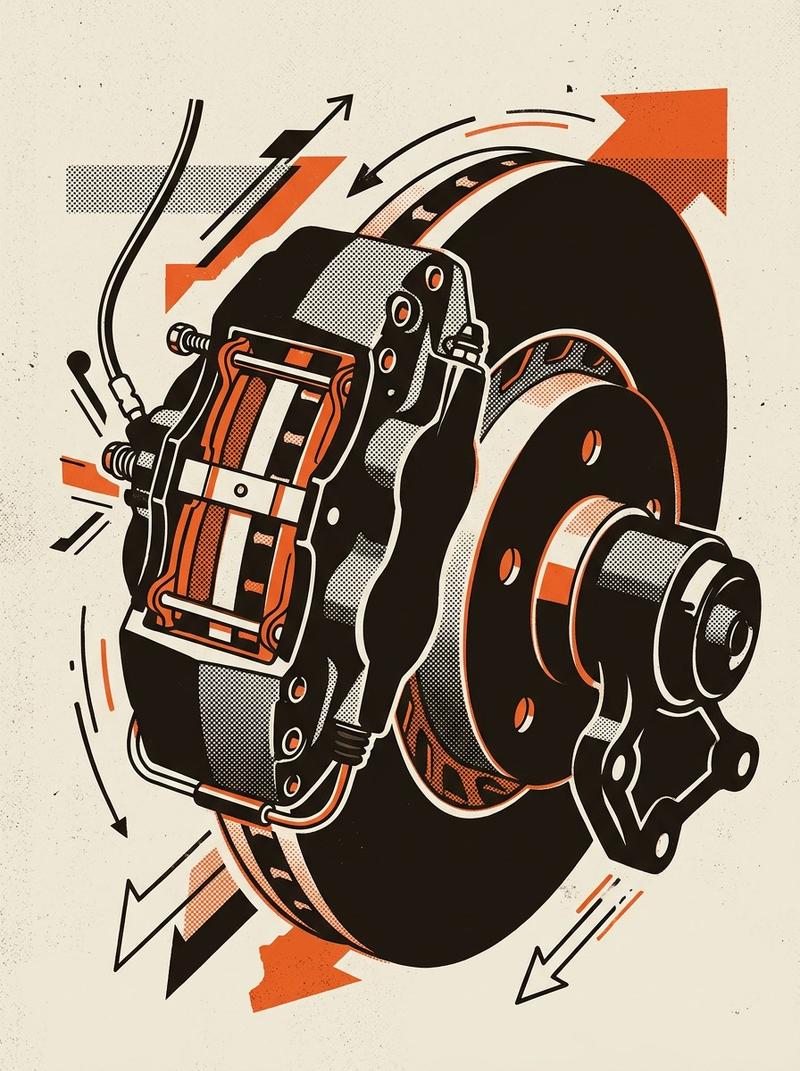
The weight is where this build gets interesting. A Swift doesn't have much to lose, but JAPTUN3 found it anyway. Lighter wheels, interior panels that actually need to be there versus the ones that just came from the factory. Not enough to make it feel stripped out, just enough to change how the car answers your inputs. You feel it the moment you get on the throttle coming out of a corner.
Seat Time Tells the Real Story
I'm not going to sugarcoat this: the first lap matters more than any spec sheet. You sit in the seat, your hands find the wheel, and the car tells you whether the person building it understands what they were doing. If you haven't driven one on track, you don't get to have an opinion on whether a build is actually good.
This Swift talks. The steering is direct without being touchy. There's actual feedback coming through the wheel about what the front tires are doing. The suspension isn't jerky or divorced from reality. It soaks up imperfections in the pavement without losing composure when you start pushing into a corner.
The brake pedal is firm and linear. No surprises. No fade. You can trail brake into a corner and the car will still be there, chassis still balanced, waiting for you to roll in throttle. That's not luck. That's someone understanding how braking systems work when there's actual g-load involved.
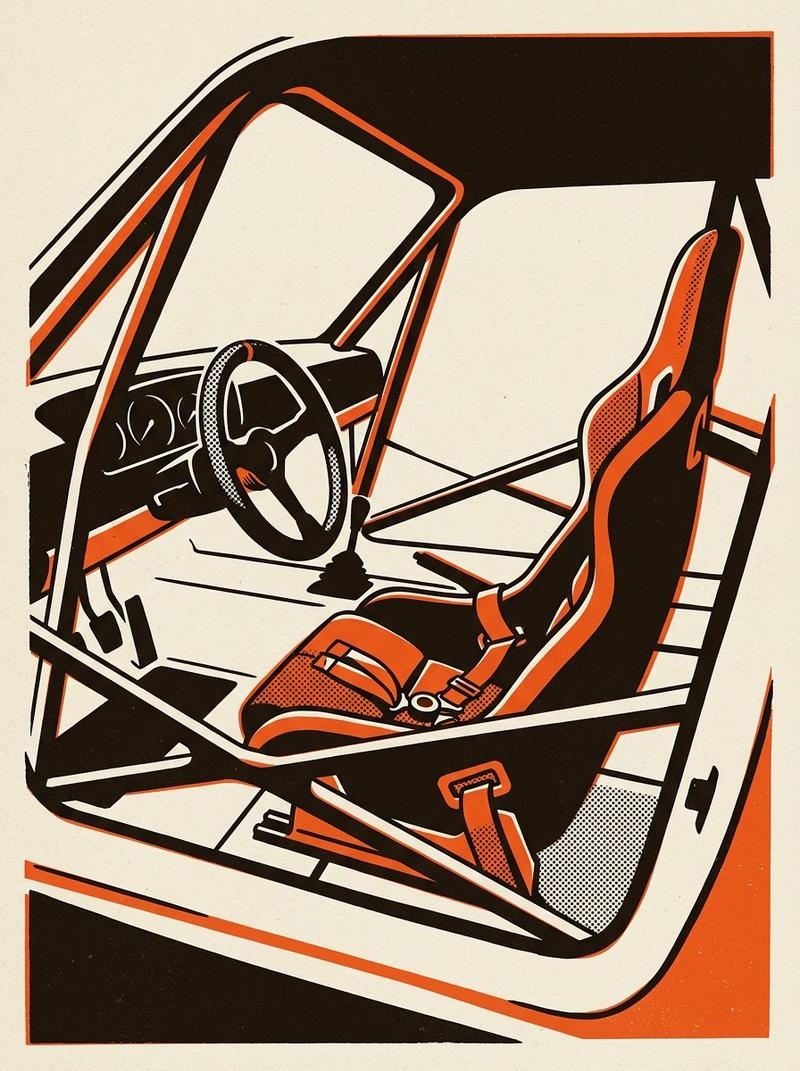
Where a lot of budget track builds fail is the transmission feel. Swifts come with a manual that's already honest, but this one has been paired with ratios that don't ask for constant shifting or engine braking that fights you. You can flow through a corner sequence without constantly managing downshifts. The engine breathing works with your line, not against it.
The Actual Performance Argument
Here's what matters about the Swift in this form: it's not pretending to be something it isn't. It's not a Civic clone with borrowed geometry and a turbo. It's a small, light platform that's been tuned to its actual strengths. That means nimbleness over raw power. Response time over top speed. The ability to change direction faster than heavier machinery.
On a circuit, that translates to hunting cars in corners that would walk away on straights. A properly sorted Swift can out-apex and out-exit stuff that has thirty more horsepower. I'm aware that sounds like something written by someone who loves underdogs, but it's not opinion. It's physics. Lower mass, shorter wheelbase, responsive controls. Do it right and you get a car that's genuinely quick without needing to be powerful.
The real test is running in traffic. You can follow a line you've committed to. The car doesn't balk or require apology. It corners hard and stops where you ask it to. Under trail braking it still balances. The limit is high enough that you'll be the constraining factor long before the platform is.
Why This Matters Beyond One Car
The Swift proves something that gets lost in modern automotive conversation: not every track car needs to be a six-figure investment or a platform with three pages of engineering data attached. Sometimes a light, honest platform with real fundamentals sorted is more rewarding than something with more grunt and less feel.
This build also proves that the people doing this work actually care about the car, not the ego. JAPTUN3 didn't slam it and call it done. Didn't turbo it until it wheezed. Didn't strip the interior down to bare metal and call it weight reduction. They asked what this platform could actually do well and built toward that instead of against it.
It's the kind of approach that's increasingly rare. Most shops want to bolt parts. Good shops want to understand what they're working with first.
The Swift on track is a hand tool. Light, honest, and responsive enough to feel like an extension of your inputs. If your only reference point is parking lot pulls or highway rolls, you're missing the entire point of what makes this build special. Three sessions in at a real circuit and the car is still asking for more, which is the only review that actually matters.

Written by
Anna Buchanan