Why Mercedes Reliability Issues Matter More Than You Think
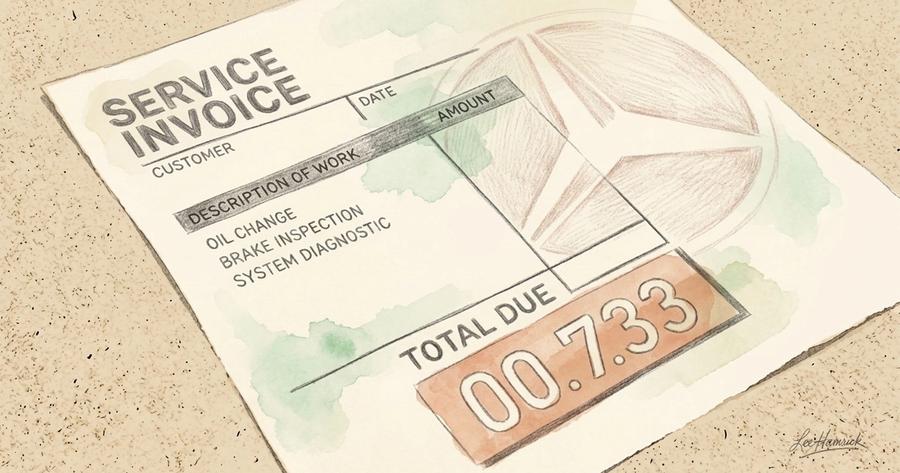
Mercedes build quality and long-term ownership costs expose a real gap between luxury positioning and engineering pragmatism.
The internet is full of people saying Mercedes is garbage. Some of them are wrong. Some of them have a point, and it's worth understanding which is which, because the answer actually matters if you're considering one.
The complaint pattern is real. Mercedes has genuine structural problems with certain model years and powertrains. But the internet's version of this truth is usually oversimplified: "Mercedes bad, buy Toyota." That's not how reliability works in the real world.
The Data on Mercedes Failures
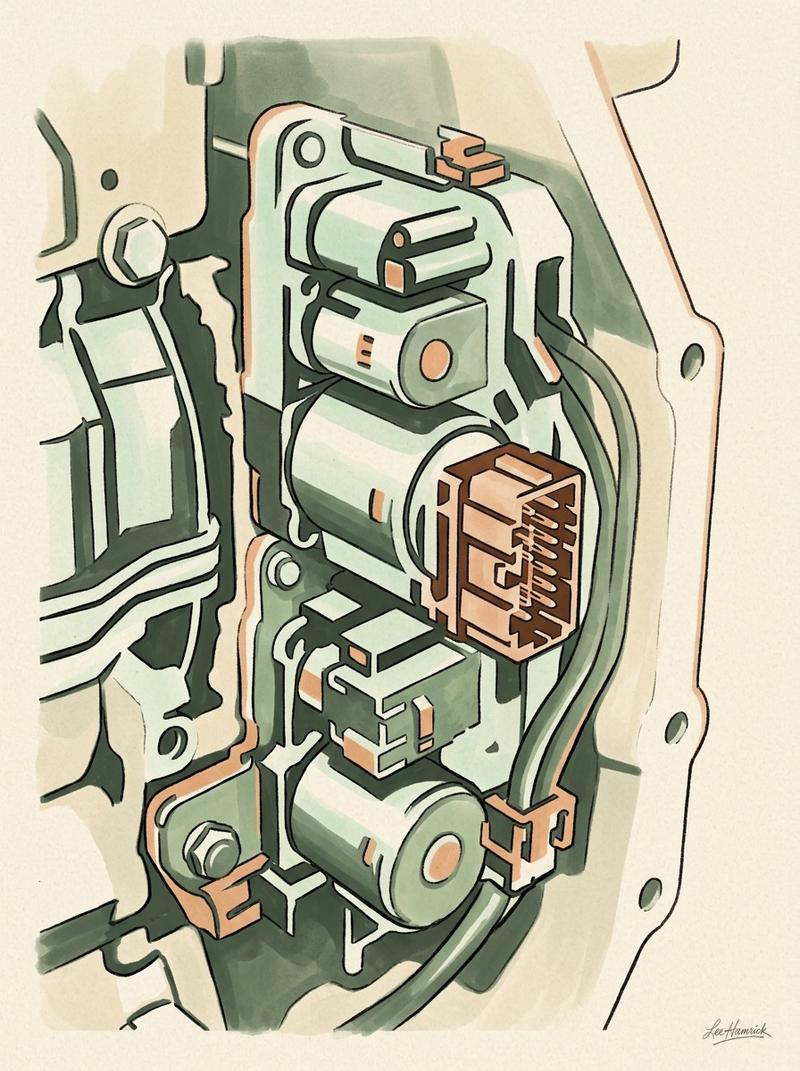
Mercedes ownership surveys show elevated failure rates in specific areas. Water pumps, transmission solenoids, and electrical gremlins show up consistently across forums and repair databases. The C-Class and E-Class models from the 2005-2015 window are particularly vulnerable. These aren't anomalies. They're patterns.
But here's what gets lost in the YouTube outrage: these failures cluster in predictable ways. The 7-speed automatic transmissions in W204 C-Class sedans suffer solenoid failures around 80,000 miles. The M271 four-cylinder engines develop timing chain rattle. The air suspension compressors die. These are known failure modes, not mysteries.
The problem isn't that Mercedes breaks. The problem is that when it does, the repair bill arrives like a subpoena.
Why Repair Costs Spiral
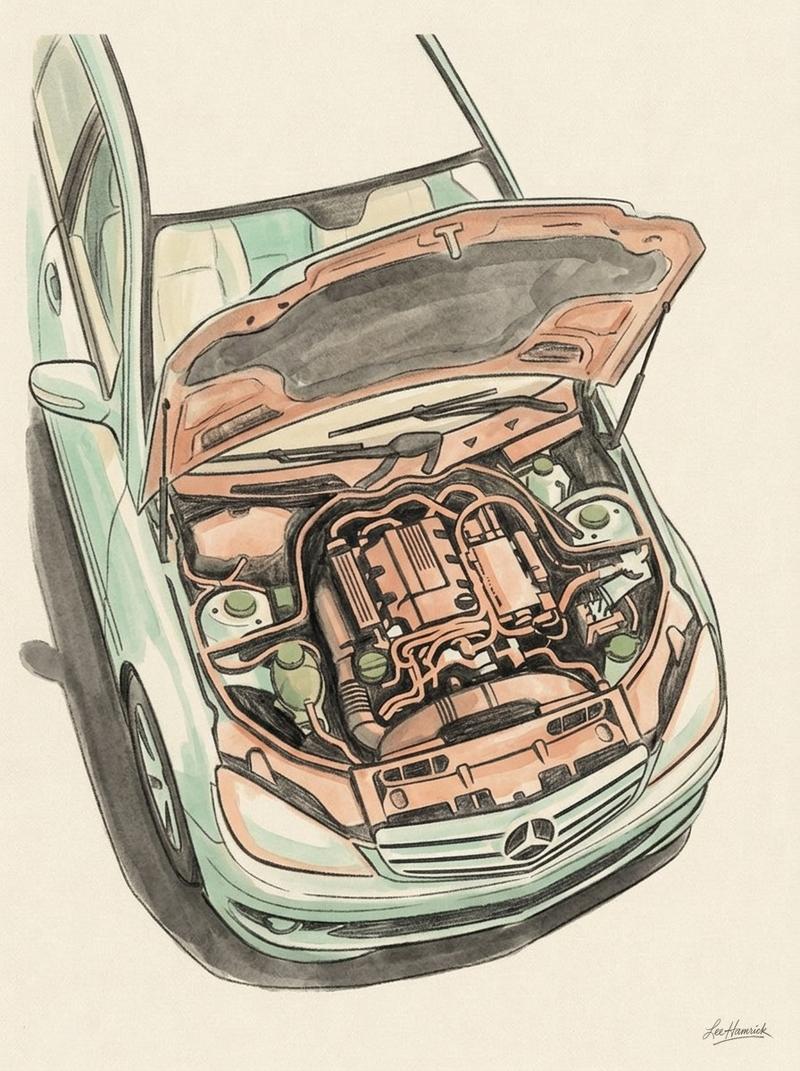
A water pump replacement on a Mercedes is not a water pump replacement. It involves removing half the engine bay. Labor times published by Mercedes service departments routinely exceed eight hours for jobs that take two on a competitor's platform. That's not incompetence. That's design.
Parts pricing follows the same logic. A single solenoid for a Mercedes transmission costs three times what an equivalent Audi component costs, even though Audi is owned by the same parent company. The markup exists because Mercedes owners have historically accepted it, and the dealership system protects that pricing.
Independent shops exist, but they're not evenly distributed, and many won't touch transmissions or electrical systems on newer models. You're often locked into dealership service, which is where the economics get harsh.
The Ownership Reality
A 2010 C-Class with 100,000 miles is not the same risk as a 2010 Civic with 100,000 miles. The Civic might need brakes and an alternator. The Mercedes might need all of that plus a transmission overhaul, suspension work, and electrical diagnostics that run into four figures just for the scanning.
This isn't a design flaw in the abstract sense. It's a business decision. Mercedes built redundancy into their electrical systems that requires computer intervention to diagnose. They engineered integrated engine bays that require partial disassembly for routine work. These choices save weight and manufacturing cost, and they shift the cost burden to owners later.
The real question isn't whether Mercedes is reliable. Plenty of them go 150,000 miles without major incident. The question is: at what price point and with what backup plan does buying that risk make sense?
When a Mercedes Makes Sense
If you're buying a 2-3 year old model under warranty, the calculus flips. The extended warranty covers most of the predictable failure modes. You get the luxury appointments, the efficient engines, and the warranty protection. Depreciation has already happened to someone else. This is actually a rational move.
If you're buying a 10-year-old Mercedes as your only car without a maintenance fund, you're gambling. The odds aren't terrible, but losing is expensive.
If you're buying new, depreciation is a separate problem entirely, but at least you have warranty coverage for the years when failure risk is climbing.
The Broader Point
The YouTube mechanic crowd is right that Mercedes ownership carries real costs and real risks that get minimized in the marketing. They're wrong if they think this makes Mercedes uniquely bad or that the alternative is always cheaper. A $50,000 repair bill stings whether it's in a Mercedes or an Range Rover, and both of them engineer their way into that situation.
The data actually supports a nuanced conclusion: Mercedes reliability is serviceable if you buy it right, understand the failure modes, have warranty coverage, and accept higher repair costs if things go sideways. It's a bad choice if you're buying older used models as a value play or if you're hoping to avoid the dealer network.
The people telling you not to buy one aren't making it up. They're just not telling you the full story.