Budget Supercar Hits the Track: What the Lap Times Actually Tell You
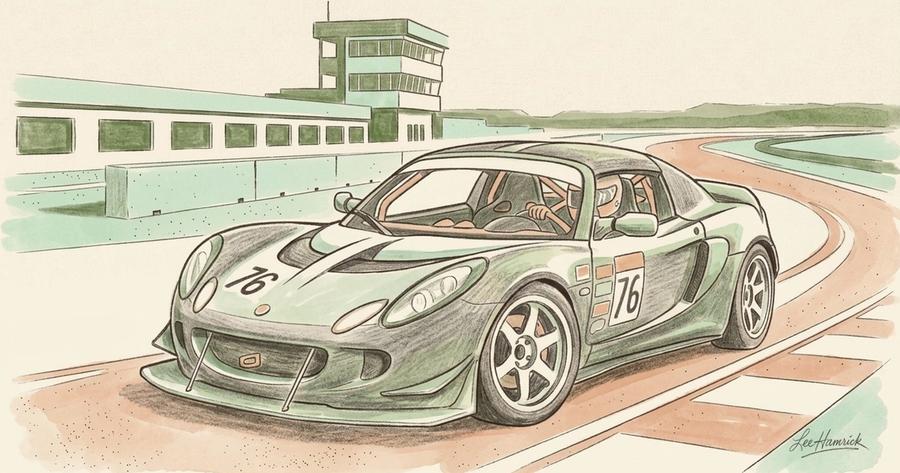
A budget supercar build finally hits the track for timed laps. Here's what the real numbers say about whether cheap performance actually pencils out.
Many performance car builds never turn a wheel at a track day. They get built, photographed, and driven to Cars and Coffee. The ones that actually get timed are a different animal, and the data they produce is worth paying attention to.
The concept of the "budget supercar" has been floating around enthusiast circles for years. The pitch is simple: find a platform with the bones of something fast, spend smart money on the right modifications, and get supercar performance at a fraction of the price. It sounds good in a forum post. It sounds different when you're looking at a lap timer.
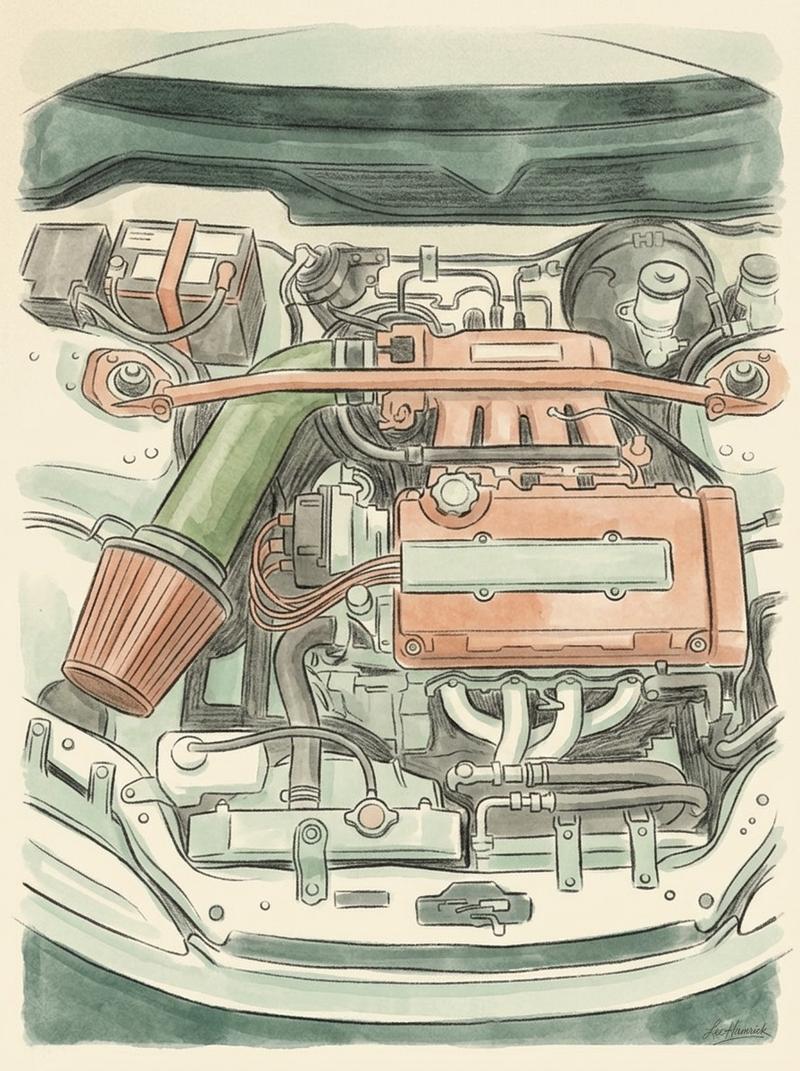
What "Budget Supercar" Actually Means
There's no industry definition here, so let's be clear about what we're talking about. A budget supercar build is a car that, through a combination of purchase price and targeted modifications, delivers performance metrics, specifically acceleration, handling, and lap times, that overlap with factory supercars costing several times more.
The most credible versions of this usually start with a platform that was already fast from the factory: a Lotus, a used Corvette, an older Viper, a track-prepped Miata at the top of its class. The modifications that actually move lap times are generally suspension geometry, tires, and brake upgrades. Everything else is slower money spent for faster feelings.
Here's what nobody tells you about the real cost: the build price is only part of the ledger. A car running on a dedicated set of track tires burns through a set every few track days depending on compound and driving style. Brake pads at the track are a consumable, not a maintenance item. And if something breaks at speed, you're not calling roadside assistance.
The Case for Doing It Anyway
None of that is an argument against track builds. It's an argument for honest math before you commit.
When a build like this actually makes it to timed laps, a few things become clear quickly. First, the gap between "fast street car" and "fast track car" is real and measurable. A car that feels rapid on a canyon road can get absolutely sorted out by a properly set-up car that costs less on paper, because setup matters more than horsepower past a certain point on most circuits.
Second, the driver is almost always the variable with the most room for improvement. Experienced instructors at HPDEs say it consistently: the car is rarely the limiting factor for drivers who are still building seat time. That's not discouraging, it's actually useful information, because it means you don't need to spend money on the car yet.
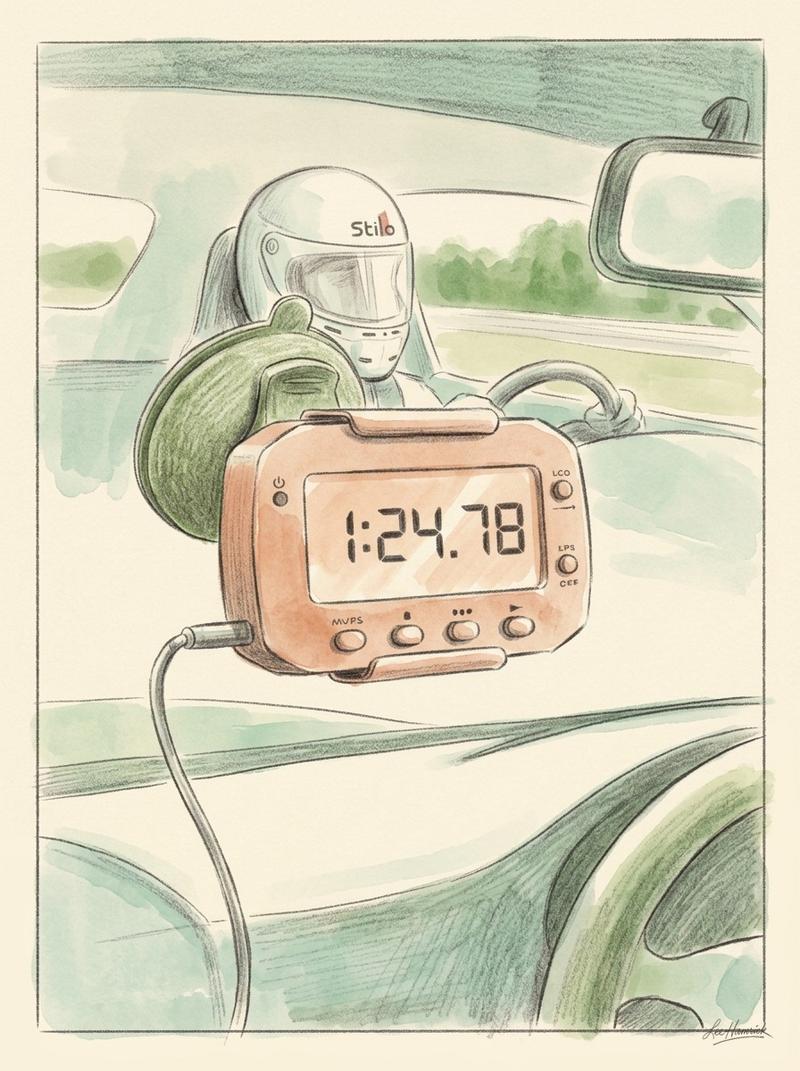
Third, battle laps, meaning timed head-to-head sessions against other builds, are one of the best diagnostic tools available. They tell you immediately whether your modifications actually translated to pace or just to a better-looking garage car.
Where the Insurance Data Fits In
Most enthusiasts think about track insurance as an afterthought, or don't think about it at all. Standard auto policies in the US exclude track use explicitly. If you're running a dedicated track car with a salvage or rebuilt title, you're in a different category entirely when it comes to coverage options and costs.
The insurance data on modified performance cars tells a story worth knowing. Severity of claims on track-incident vehicles is significantly higher than street incidents for obvious reasons: speeds are higher, barriers are unforgiving, and roll-over events are more common in amateur motorsport than most people want to admit. Several specialty insurers offer HPDE coverage as a rider or standalone policy, but rates reflect the actual loss history on these cars, not your personal driving record.
For a build in the budget supercar category, meaning a car with a combined build cost somewhere between $15,000 and $40,000, annual HPDE coverage typically runs between $500 and $1,500 depending on event frequency and declared value. That's not catastrophic, but it needs to be in the spreadsheet.
What the Lap Times Actually Prove
When a budget build runs competitive times against more expensive cars, it validates the core argument: targeted spending on the right modifications, combined with seat time and driver development, can absolutely close the gap to factory exotics. That's a real result.
But the more interesting question isn't whether the car is fast. It's whether the total cost of getting it fast, including the build, the tires, the track days, the insurance, and the inevitable repairs, comes out ahead of simply buying a used factory sports car at a similar performance level.
Sometimes it does. A well-sorted Elise or a dedicated Spec Miata build can deliver genuine track performance at a total cost of ownership that makes a used Cayman look expensive. But a build that started cheap and accumulated modifications over several years often ends up in a different place than the original budget suggested. That's not a failure of the concept, it's just how building works.
The Honest Takeaway
Budget supercar builds are legitimate. The lap times can back up the claim. The satisfaction of getting there with your own hands and a smart parts budget is real, and it's something a factory car can't replicate.
What they are not is a shortcut. The time investment is substantial. The consumable costs at the track are ongoing. The mechanical risk on a modified car is higher than on a stock one, and the insurance picture is more complicated.
If you're going into one of these builds with clear eyes about the total cost, and you're treating track time as the actual goal rather than a destination you'll get to someday, this is one of the most rewarding things you can do with a car hobby budget. The lap timer is the only honest judge, and a build that earns its times has actually earned something.
This is the deal right now: run both sets of numbers on a clean factory sports car versus a modified budget build before you start buying parts.

Written by
Zach Bronstein