The Sherp ATV Is a 4x4 Amphibious Machine Built to Go Anywhere, Period

The Sherp is a Ukrainian-built 4x4 amphibious ATV that floats, climbs, and goes where normal machines quit. Pure practicality.
Grab a beer. The story of the Sherp ATV is one of those slow-building things that makes more sense the more you sit with it. It starts simple: what if you built a vehicle that could go absolutely anywhere, no excuses, no exceptions. Not for speed. Not for impressing people at a parking lot. Just for the pure practicality of going places where normal machines give up.
The Sherp is a Ukrainian-built amphibious all-terrain vehicle that does exactly that. It's a 4x4 with massive, low-pressure tires that let it float across water like it's not even trying, climb over obstacles that would stop a Jeep cold, and traverse terrain so soft and broken that you'd think you were asking too much. But the Sherp doesn't care. It just does what you ask it to, no drama.
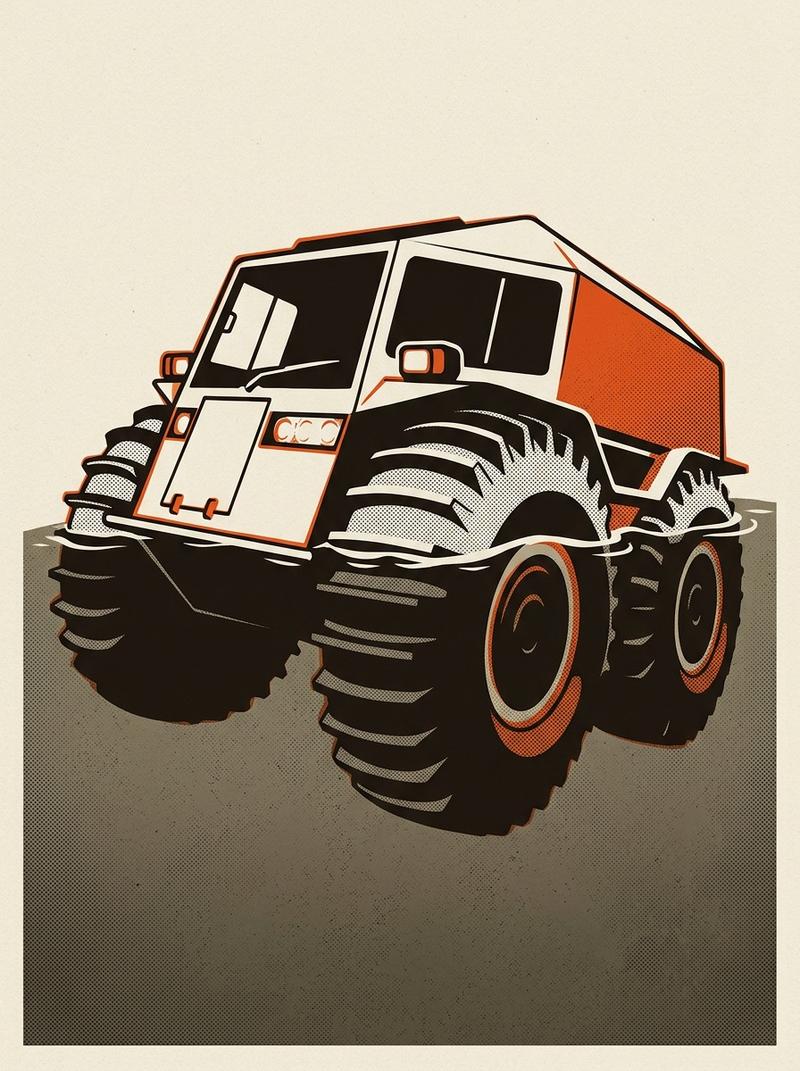
What makes this thing tick is the engine: a Honda powerplant that you could probably describe in one word if you wanted to be lazy about it. Bulletproof. Honda built their reputation on simplicity and durability, and whatever sits under the Sherp's frame has inherited that DNA completely. It's not trying to be powerful in the modern sense, where horsepower numbers matter more than the ability to keep running. The Sherp makes around 44 horsepower, which sounds like nothing until you realize that's all you need when you weigh less than 2,000 pounds and your tires are doing the real work.
The design philosophy here is refreshingly honest. Look at any modern utility vehicle and you'll see compromise written into the engineering. They're trying to be comfortable highway cruisers and capable off-roaders at the same time, which means they're actually great at neither. The Sherp doesn't pretend. It's slow on pavement, uncomfortable on smooth roads, and utterly indifferent to your comfort level. What it does instead is move forward across terrain that has no business supporting a vehicle at all. Swamps, tundra, sand, snow, flooded areas, rocky slopes, mud that would swallow a truck whole. The Sherp laughs at all of it.
The amphibious part isn't a gimmick either. Those massive tires and the hull design mean the thing genuinely swims. Not like a amphibious car that's supposed to but barely manages it. The Sherp floats and propels itself through water with the kind of casual confidence that makes you wonder if the water was even there. It's the kind of capability that stays in your mind because you're not used to seeing it.
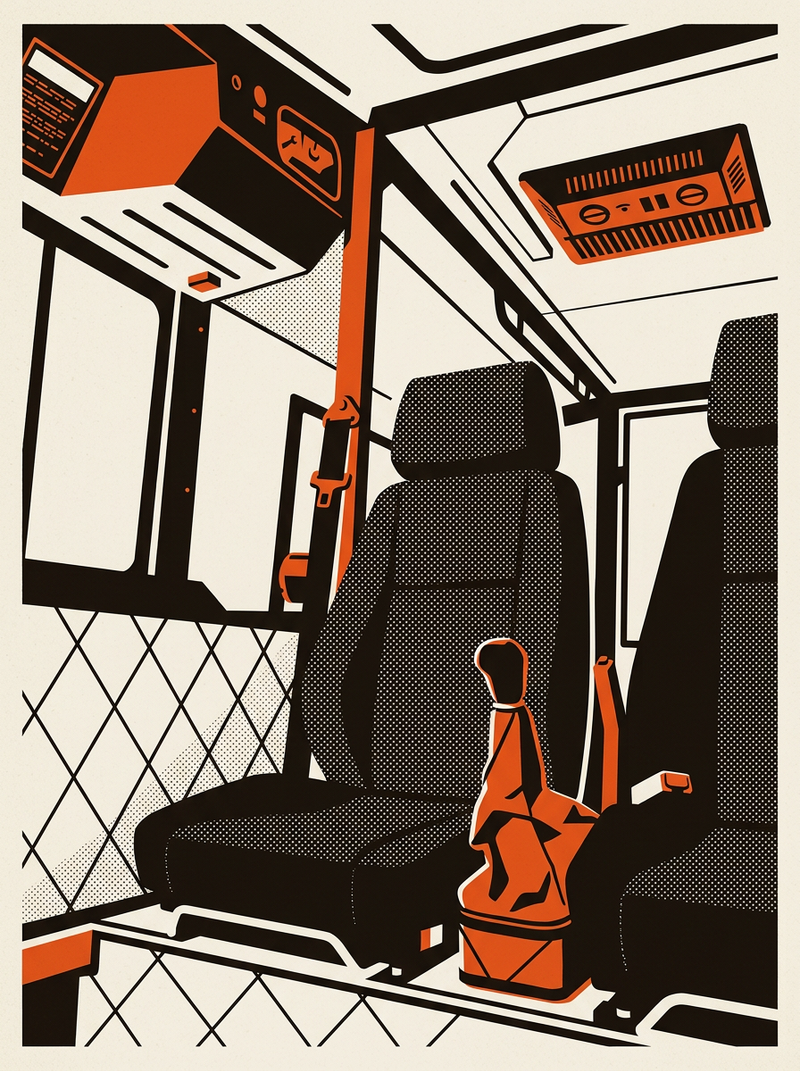
The real appeal of the Sherp, if you're honest about it, is that it represents a kind of vehicle thinking that's almost extinct. We've engineered ourselves toward one-size-fits-all machines that do a lot of things adequately. The Sherp does one thing perfectly: it goes. No infotainment system to distract you. No lane-keeping assist deciding what you actually want to do. No transmission that second-guesses your input. It's mechanical, direct, and completely transparent about what it can and cannot do.
You don't need to be fast to enjoy something like this. But it helps to understand what capability actually feels like. A lot of people will see the Sherp and think it's overkill for their needs. They're probably right. Most of us will never need a vehicle that can ford a river or climb a vertical rock face. But there's something deeply satisfying about owning a machine that could, even if you never ask it to. It changes how you think about the roads you drive and the routes you're willing to consider. A washed-out forest road that would turn anyone else around becomes a possibility. A flooded creek becomes a non-issue. Bad weather becomes irrelevant.
The Sherp sits in this weird middle ground between working equipment and enthusiast vehicle. It's not a toy. People use these things professionally in places where roads don't exist and conventional transportation breaks down. At the same time, it's genuinely fun to pilot across difficult terrain, and there's no pretense to it. You're not performing capability for anyone else. You're just moving through country that would stop almost everything else.
The fact that you can buy one, that these things exist in a world where you can actually own and operate them, says something worth sitting with. The Sherp started as an idea from people who lived in places where normal rules didn't apply. They needed a vehicle that worked, not a vehicle that looked like it might work. They built it themselves, proved it worked, and now they sell them to people who want the same thing. No marketing department required. No influencer campaign. Just a machine that does what it promises.
If you've spent any time around proper working vehicles, the ones that earn their keep instead of sitting in driveways looking good, you start to understand the appeal. The Sherp is unapologetically practical. It's built to last, designed to be maintained by someone with a wrench and common sense, and engineered to actually work rather than to impress. The Honda engine is part of that same philosophy. It's not the most modern, the most efficient, or the most powerful. It's just dependable in the way that Honda engines have been dependable for decades.
You don't need to be an off-road enthusiast to appreciate what the Sherp represents. You just need to be someone who respects vehicles that are honest about what they do and genuinely good at their job. Everything else is just machinery, and this machinery happens to work.

Written by
John Buchanan