What Your Car Choice Really Says About You

Your daily driver reveals more about who you actually are than any car you'd aspire to own. Here's what your choice really means.
I was sitting at a coffee shop in Auburn the other day watching people pull in and out of the parking lot, and it hit me: you can read someone's entire life philosophy in their car choice. Not the car they dream about. Not the one that would look best in their Instagram photo. The car they actually drive every single day.
There's a difference between the car you want to be seen in and the car you're willing to live with. A huge difference. That gap between aspiration and reality is where actual character lives.
Take the person driving a 20-year-old Miata with no plans to upgrade. They had the same money you do. They looked at the same market you looked at. They chose lightweight and balanced over extra horsepower. That's not a random decision. That's a priority made visible. They're telling you, "I know what matters to me, and I'm sticking with it." That takes conviction.
Compare that to someone who buys the same car because they read it was a good investment. Different person. Different statement. One is making a choice based on what they actually love. The other is following a list they found online. After enough miles, the car itself will expose which one you are.
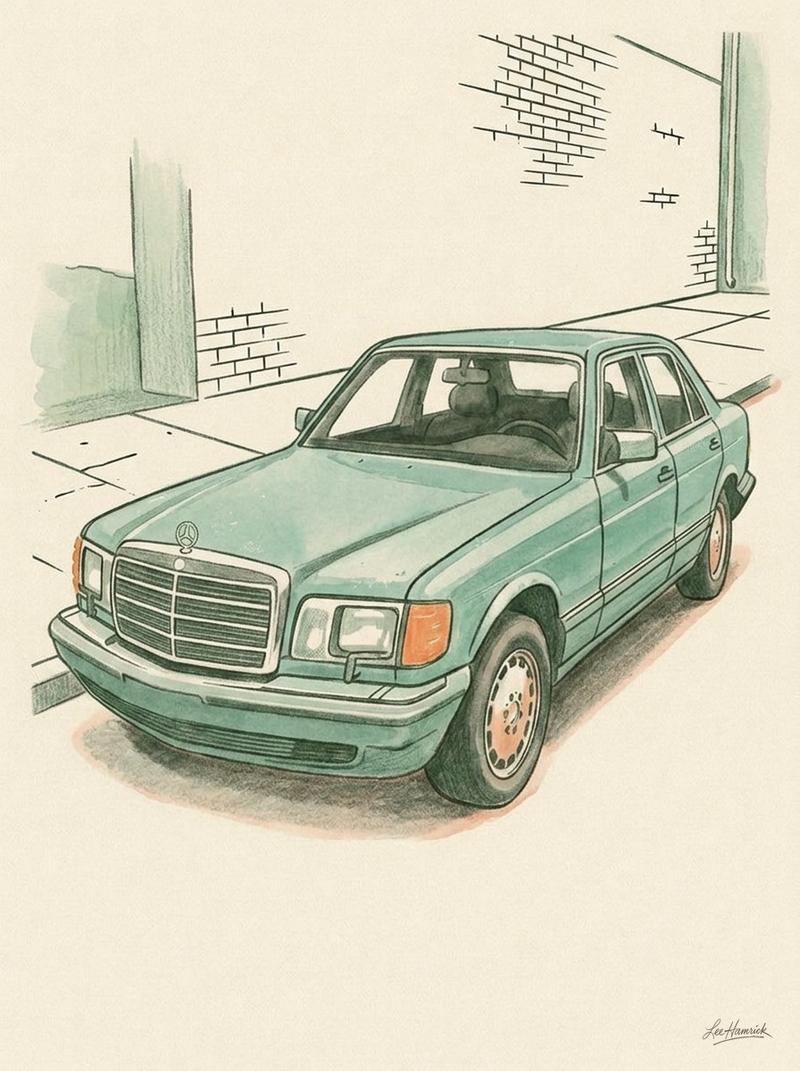
The real tells are in the stuff nobody thinks about. The person keeping their 1980s Mercedes interior original, patina and all, is saying something completely different from someone who dropped forty grand on a full restoration. The first respects the object as it was made. The second has the means and vision to improve on it. Both statements are valid. Neither is accidental. Neither happens without intention.
A 10-year-old BMW M3 with 120,000 miles tells you the owner stopped performing about five years ago. That car costs money. Real money. Specialization money. Nobody daily-drives an M3 because they're trying to impress anyone anymore. They do it because they genuinely prefer it to everything else, and they're past caring what that decision says to other people. At that point the car choice becomes a life choice. It's not about taste. It's about living with the consequences of your taste, which is a completely different thing.
The person tracking their car buys differently than the collector. Track guy understands frame damage versus blown engines. He researches repair costs like his life depends on it. He's made peace with the fact that his Porsche 944 might cost him two grand next month. He does it anyway. That's not passion anymore if we're being honest. That's commitment. That's the willingness to sink money into something because the relationship is real, not because it makes sense on a spreadsheet.
The collector buys the icon, stores it, watches the value climb. That's a different statement entirely. You're saying, "I think in decades. I understand value. I can wait." Nothing wrong with that path. But it's not about driving feel. It's about discipline and the ability to not touch what you own.
The person buying at the absolute bottom of the depreciation curve knows exactly what they're doing. They've done the homework. They understand that the previous owner's bad luck is their opportunity, that there's no warranty, that repair costs are waiting in the wings. That person is saying, "I can handle this. I understand systems. I'm not afraid." That's confidence that shows up in every other part of their life.
Insurance data tells you something car magazines never will: the repair costs correlate to choice far more than horsepower does. A 15k used 3-Series owner faces a different financial reality than a 15k used Accord owner. Same price tag. One says, "I accept the complexity because I think the value is worth it." The other says, "I want reliability and I want it to last." Both are legitimate. They're just not equivalent. One signals comfort with risk and specialization. The other signals pragmatism.
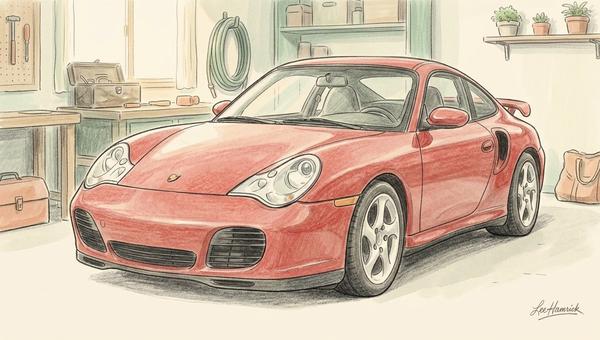
You can spot someone who actually loves cars by what they keep, not what they buy first. What they drive to the grocery store without defending. What they sink money into. What they don't replace just because something newer exists. The pristine air-cooled Porsche sitting perfect in the garage with no miles? That's collection. Not a bad thing, but that's not driving.
The person with 180,000 miles on a daily-driver sedan and zero replacement plans is saying something concrete: "I don't need constant refresh. I don't buy identity. I buy once and I live with it." There's contentment in that. A lack of novelty-seeking that signals something stable about the human sitting behind the wheel.
Here's where the real hierarchy lives, even though car people pretend it doesn't: at the top is someone who bought the car nobody wanted five years ago, ignored the market, drove it right, and is watching it gain value while everyone else chased hype. That person didn't get lucky. They were right when everyone was wrong, and they got there through taste, not chance.
Close behind is the person who kept one car so long they've achieved perfect knowledge of it. They know that rattle. They feel the handling shift with tire pressure changes. The distinction between car and driver has blurred completely. That person isn't collecting cars. They're collecting understanding.
The worst position, the one most people end up in, is owning something you don't quite love. You drive it defensively. You're always thinking about what you should have bought instead. That car becomes a constant, low-grade disappointment. That's not a car problem. That's a decision-making problem. And it shows up constantly.
Your car is the largest expression of your actual taste, not your aspirational taste. Aspirational taste is what you tell people about. Actual taste is what you live with at six in the morning when you're trying to get to work and your car either cooperates or it doesn't, impresses you or it doesn't, costs money or saves money, every single day.
The person who buys a car and loves it for ten years isn't lucky. They understood themselves well enough to know what would satisfy them. They had the discipline to stop shopping once they found it. That's rare. That's admirable. That's someone who knows their own mind.
Everyone else is either still searching or convincing themselves they're satisfied with compromise. The repair shops know which one you are. Your mechanic knows. After a few thousand miles, everyone does. Drive what you actually love, not what you think you should love, not what looks right in the driveway. Drive the thing that makes sense when you're alone and nobody's watching. That car will tell you exactly who you are.
Written by
Kathlien "Kat" Mangino