2026 F1 Is About to Get Weird (and We Should Be Excited)

F1's 2026 rules cut downforce 30%, demand real driver precision, and reshape competitive racing around skill over electronics.
Formula 1 is about to make itself harder to drive, and that's exactly what the sport needs right now.
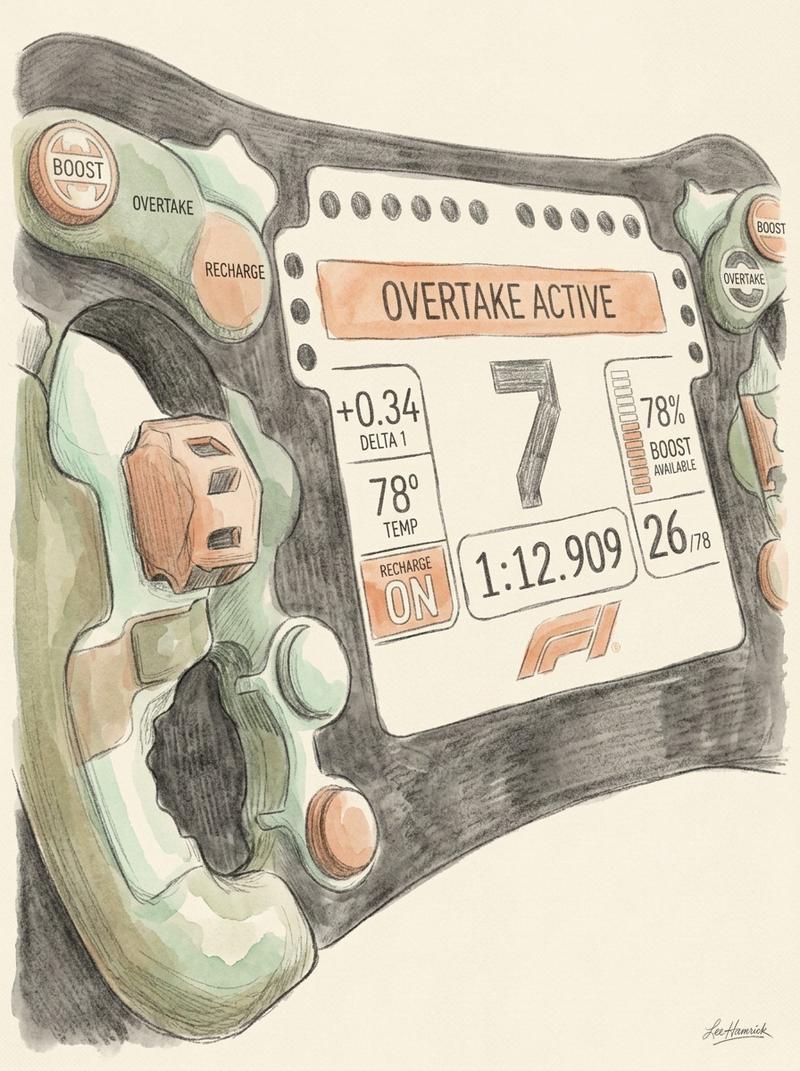
The 2026 regulations aren't a refinement. They're a deliberate step backward into complexity. Downforce drops roughly 30 percent. Weight targets shrink. The ERS system gets completely reworked. Tire compounds shift. And buried in the technical documents is something called Super Clipping, which lets drivers strategically reduce downforce at designated points on the track, forcing them to calculate when to deploy it and when to save it for later. That's not a feature. That's a philosophy.
Most of the conversation around these changes focuses on speed or lap times or whether cars will still look aggressive. Those conversations miss the actual story. What matters is what happens to the driver when you pull 30 percent of the downforce away.
Lower downforce means lower mechanical grip. Trail-braking becomes sharper, more unforgiving, more rewarding for drivers who can actually read what the car is telling them through the wheel. Tire management stops being an exercise in fuel savings and becomes something closer to an art form. Setup tolerance tightens. Suddenly, the difference between a driver who can extract everything from a limited grip budget and one who can't becomes visible. Measurable. It matters again.
The 2022-2024 era gave us cars so overloaded with grip that forgiveness became the baseline. You could miss an apex by two meters and still be competitive because there was so much downforce that the car would drag you through the corner anyway. Drivers managed tires. Engineers managed performance. Electronics managed everything else. The sport got safer, more predictable, and honestly, more boring. The margins squeezed. Races started looking like they were decided before the lights went out.
The 2026 rules flip that script. They're built on the assumption that what's broken in modern F1 isn't speed or safety or cost. It's precision. It's the gap between good drivers and great ones. It's whether fans watching at home can actually see the difference when a driver nails a corner versus when they don't.
I get the skeptics. Less grip technically means less stability, more unpredictability, technically more risk. But here's the thing about F1 safety in 2026: it's already solved the hard part. The halo, the crash structures, the barrier technology, the medical response, the car design philosophy around survival. The real danger isn't crashes anymore. The real danger is a sport that becomes so managed, so controlled, so solved by engineers with unlimited resources that there's nothing left for humans to actually do.
What genuinely interests me is that this is a bet on technical complexity at a moment when everything else is racing toward simplification. Consumer cars get more touchscreens, fewer buttons, more assists, more automation. Everything gets safer and easier and more predictable. Formula 1 is moving the opposite direction. Make it harder. Make drivers work. Make engineers innovate instead of iterate. Make setup tolerance narrower. Make precision matter more than it has in a decade.
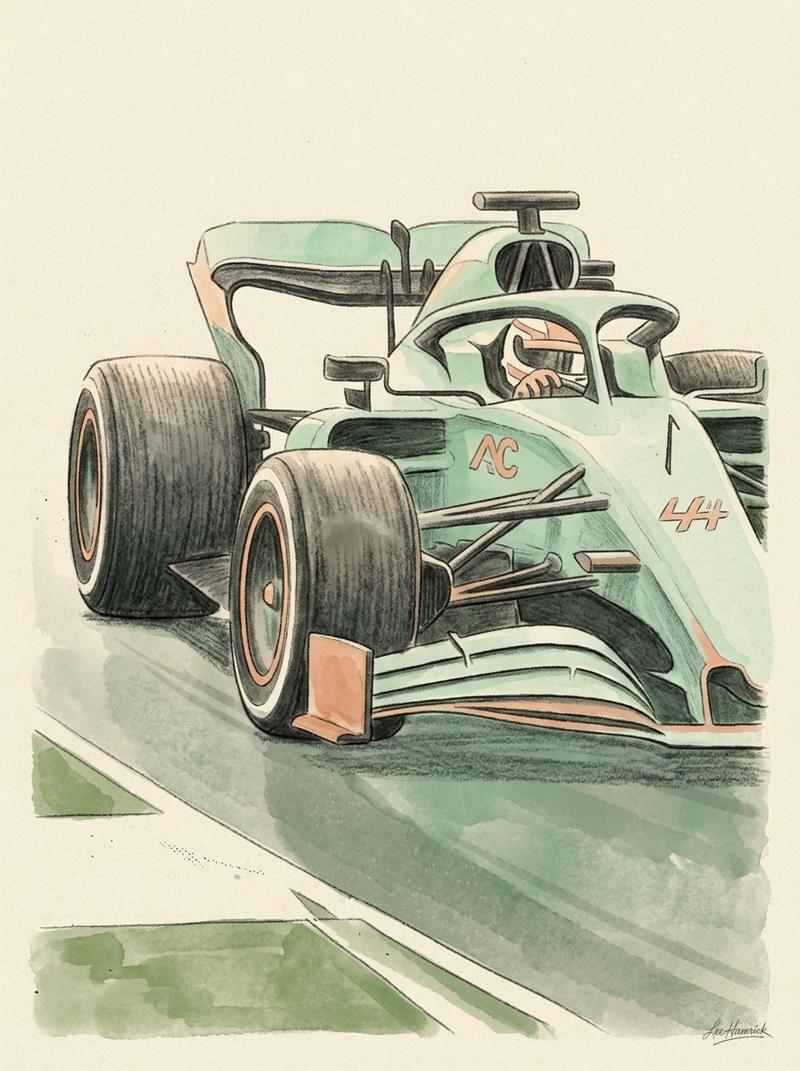
The powertrain transformation reinforces that shift. New hybrid units with fundamentally different energy management strategies. Brake architecture, cooling systems, thermal packaging, everything gets rewritten. A current F1 car is optimized down to fractions of a millimeter around regulations that are almost five years old. The 2026 rules throw most of that away. Teams reset to first principles. That kind of disruption is where real innovation actually happens, not the incremental tweaking that's defined recent seasons.
There's also a manufacturing angle that gets overlooked. These regulations are designed to attract new factory investment while keeping costs under control and managing energy consumption. The downforce reduction handles top speeds without making cars slower in absolute terms. It's not about regression. It's about redefining what progress means in this sport. A formula that can pull in new manufacturers while offering genuine technical challenge survives. One that doesn't, doesn't.
But the driver experience is where this gets interesting. Imagine managing a lap where you have to place a downforce-limited car in the exact right line through a high-speed corner on worn tires while calculating ERS deployment. That's not a button press. That's a problem that demands precision, bravery, real skill. When a driver executes something genuinely difficult perfectly, that's when the sport stops being background noise and becomes worth actually watching.
Every regulation change carries risk. There's no safe way around that. But F1 has spent years making cars forgiving enough that you could drive slightly off the ideal line and still be in the fight. The 2026 rules demand something different: precision, intentionality, genuine driver ability. The mistakes become more visible. The margin for error tightens. The gap between good and great gets wider.
That's the story worth following into the next era. That's what weird is actually for.
Written by
Nick Mangino