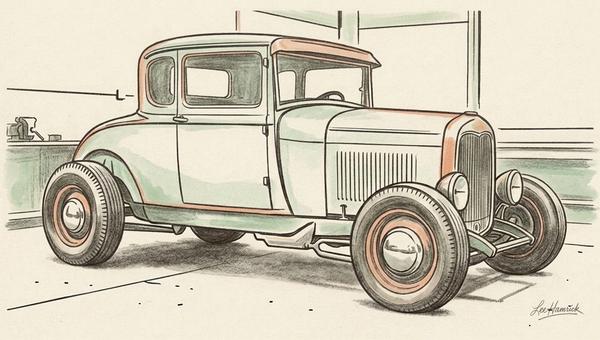
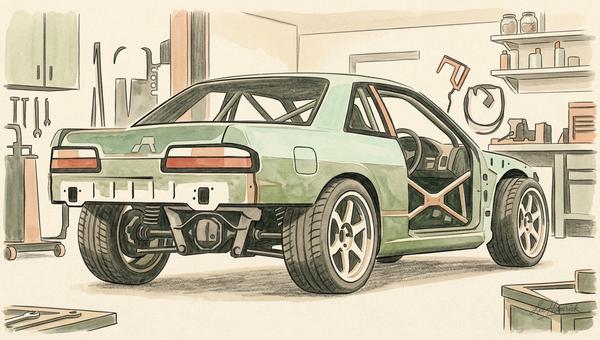
Cheap Race Car Build Ep. 1: Finding the Right Engine Changes Everything

Episode 1 of a budget race car build series. Why engine selection is the pivotal decision that shapes everything else in a cheap race car project.
There is a moment in every budget race car build where the project stops being a pile of parts and starts being a car. For most builds, that moment is the engine. Get it wrong and you are forever chasing reliability issues, chasing power you cannot put down, or chasing a parts supply that dried up a decade ago. Get it right and everything downstream gets easier. Episode 1 of this cheap race car build is about getting it right.
This build starts where every honest build starts, with the necessary slog, the kind of work that does not photograph well and does not make for exciting conversation at the paddock. Sourcing the shell, checking for rust in places you do not want to find rust, sorting out whether the previous owner's modifications were clever or catastrophic. That groundwork matters, but it does not scratch the itch. An engine swap does.
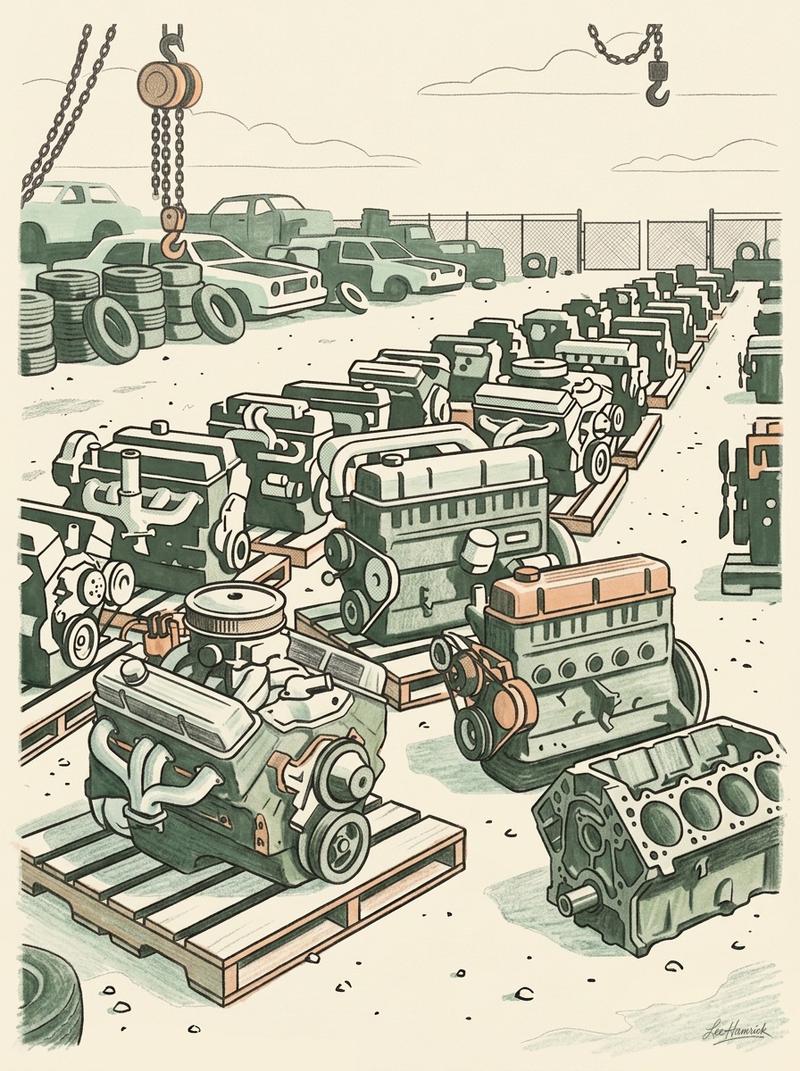
Engine selection in a budget race build is genuinely one of the more interesting puzzles in amateur motorsport. You are not buying a crate motor. You are not calling up an engine builder and handing over a number with four zeros. You are haunting wrecking yards, scanning classifieds, and having long debates with yourself about whether the extra reliability of a lower-mileage unit is worth the price delta. And you are doing all of this while holding a hard number in your head, because the whole point of a cheap race car is that it stays cheap.
What makes an engine the right engine for a build like this is not peak horsepower. Anyone who has run an HPDE or done laps at a club race event knows that raw power is often the last thing a developing driver needs. Torque spread matters more than peak numbers when you are still learning the track. Reliability matters more than power when a blown motor ends your race weekend and your season budget in the same afternoon. Parts availability matters more than exotic engineering when you are working in a home garage without a dyno cell or a machine shop on retainer.
The engines that keep showing up in successful budget builds share a few traits. They are from high-volume production runs, so used units are plentiful and reasonably priced. They have robust aftermarket support because enthusiasts have been modifying them for years. They are not interference engines, or if they are, the timing components are cheap and well-documented. And they make enough power to be genuinely fun without requiring you to rebuild the entire drivetrain around them.
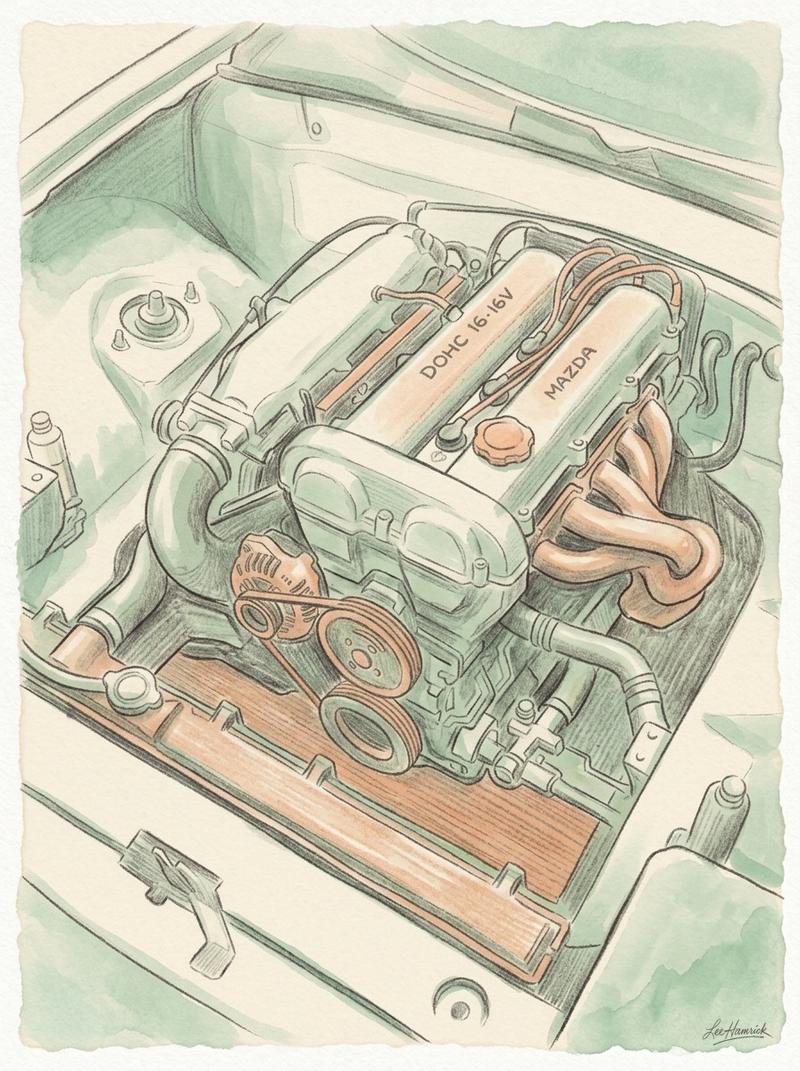
What this build landed on checks those boxes. The excitement in episode 1 is not just about the specific engine, it is about the moment the decision crystallizes. You spend weeks looking at options, pricing them out, reading forum threads from people who have already done the version of this you are attempting. And then you find the unit that fits the budget, fits the chassis, and fits the goals of the project, and suddenly the whole build has direction. That feeling is real and it is one of the reasons budget motorsport is so compelling to watch and to do.
The discipline required to build a fast, reliable, cheap race car is underrated. It is easy to spend money on a race car. The parts catalogs are full of beautiful things that will improve your lap times by amounts that are probably undetectable at the skill levels most of us are operating at. The harder skill is knowing what the car actually needs versus what you want to put on it. An engine choice is where that discipline shows up most clearly, because the temptation to go bigger, go more exotic, go with the unit that makes the build more interesting to talk about is always there.
A build that stays honest to its budget and its purpose, a car that gets to the track and turns laps instead of sitting in a garage waiting for the perfect parts, is worth more than a more ambitious build that never gets finished. The engine is the proof of concept moment. Once it is in the car and running, the project is real. Everything else is refinement.
Episode 1 lands in a good place. The right engine found, the build moving forward, the next decisions in view. For anyone following along or considering a similar project, the lesson from this episode is familiar but worth repeating. Define your requirements honestly, shop patiently, do not let enthusiasm overrule the budget, and then commit. The car gets built in the moments you stop researching and start wrenching.

Written by
Jay Corman