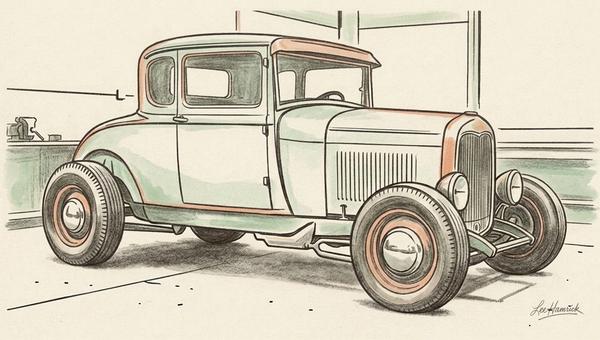
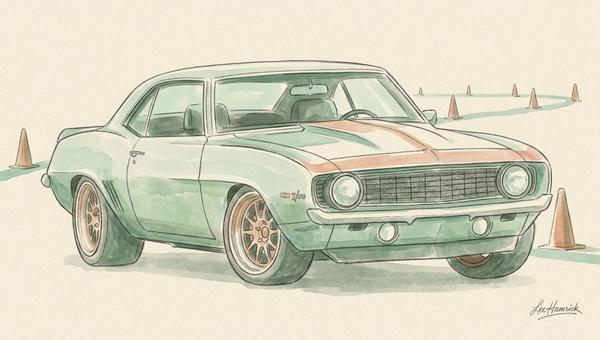
Cheap Race Car Ep. 5: The Rear End, the Wheels, and the Secret Weapon Nobody Saw Coming

Episode 5 of the $15,000 cheap race car build: rear end work, new wheels and tires, and a custom part no budget race car has done before.
Budget builds have a rhythm to them. You make a plan, the plan gets humbled, you adapt. That's the deal. Episode 5 of this $15,000 cheap race car project is a perfect snapshot of exactly that: the car is coming out nicer than expected, which sounds like a win until you look at the budget spreadsheet and realize "nicer" has a price tag attached to it. The money is getting uncomfortably close to gone, and there's still car to build.
But here's the thing about builds that push their budget limits: sometimes that pressure is what forces genuinely interesting decisions. This episode has one of those, and it's the kind of move that makes you wonder why more budget race car builders haven't gone there before.
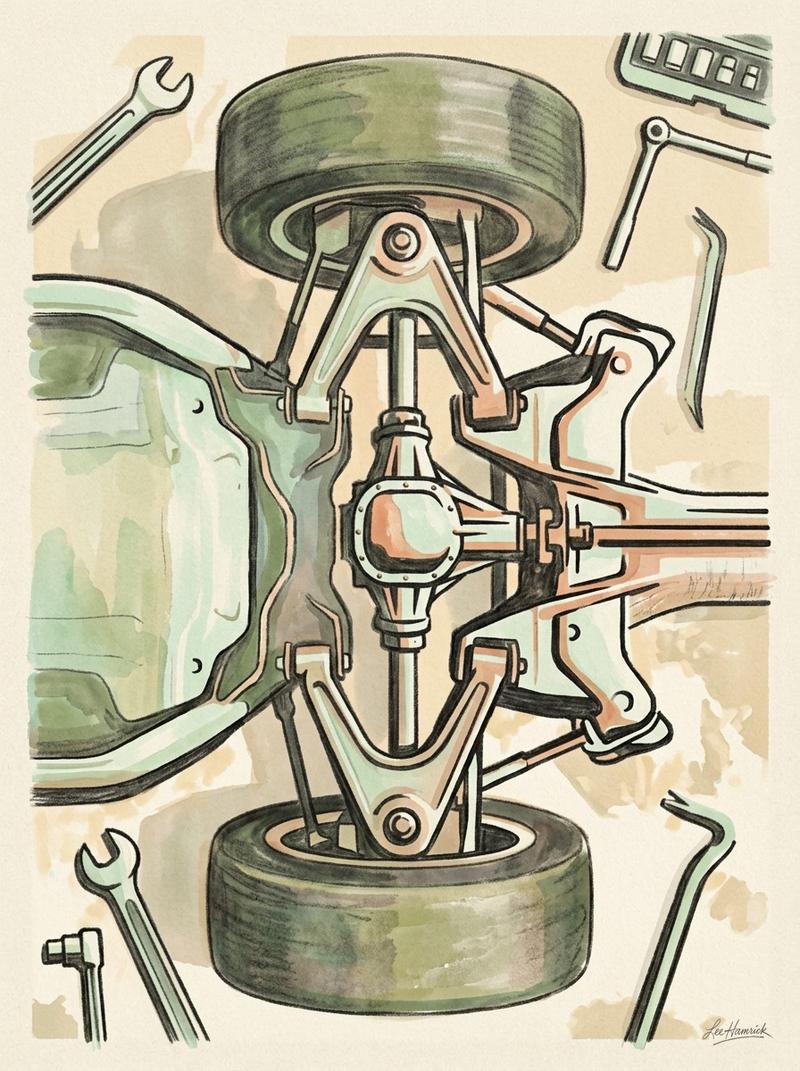
First, the mechanical progress. The rear end got built out this episode, which is always a satisfying milestone on any project. The rear of a car is easy to ignore until everything else is done, and then suddenly it's the thing standing between you and actually driving it. Getting that sorted, getting the geometry where it needs to be, means the chassis is starting to resemble something that can actually be driven hard rather than just pushed around a garage. That matters.
New wheels and tires went on too. On a race car build in this price range, wheel and tire selection is one of the most consequential decisions you make, because it's also one of the most expensive ones. You can run cheap tires and be slow. You can run great tires on wheels that don't fit properly and be slow in a different, more frustrating way. Getting this combination right early means everything the builder does afterward, suspension tuning, alignment, any aero work, is actually building on a real foundation instead of fighting bad contact patches.
The episode also teases a "secret" element, something the build team is calling out as unique among cheap race car builds. The sourcing and specifics are still being revealed, but the framing suggests it's not just a cosmetic touch. On a car that's already pushing past its original budget, adding something genuinely novel is a statement of intent. This isn't just a beat-up track beater being thrown at a wall to see what sticks. There's actual thought going into it.
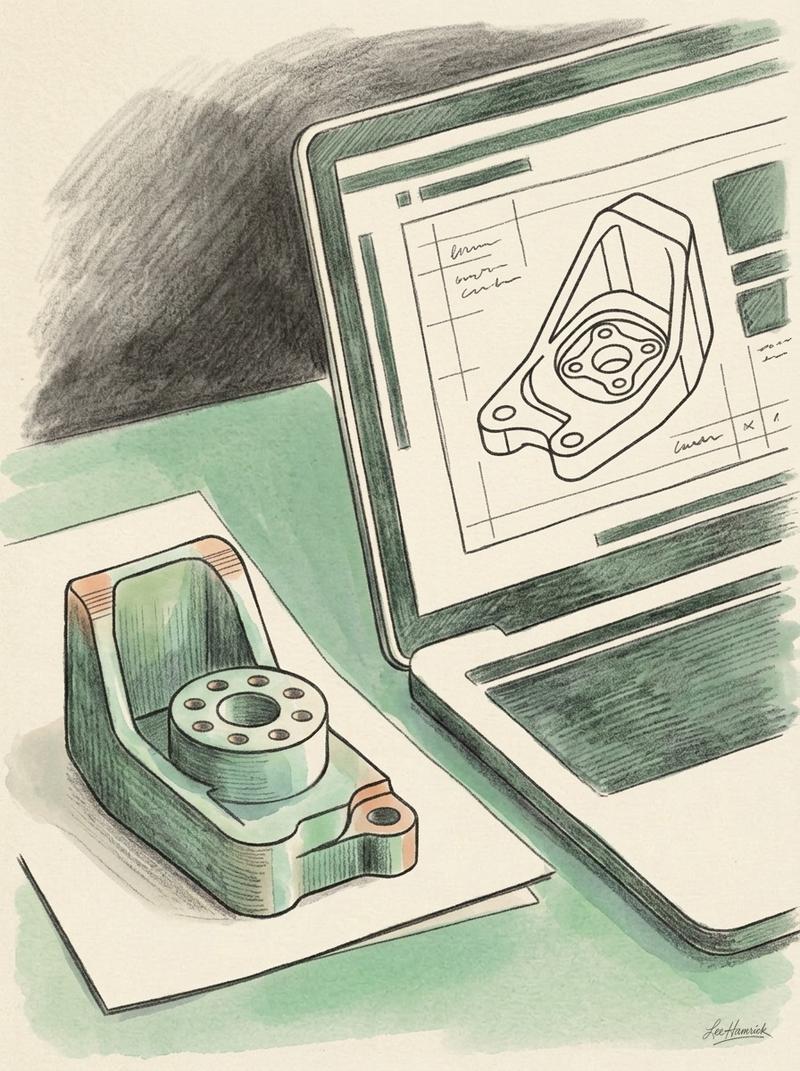
Which brings me to something worth talking about in the context of this build: 3D printing as a legitimate fabrication tool for race builds. The shop has been using a Bambu Lab printer to design and produce custom parts, and if you've been paying attention to what desktop 3D printing can do in the last few years, this is no longer a novelty. We're talking about the ability to prototype a bracket, a duct, a mounting solution, and have something testable in hand the same day. For a build running close to budget, that's not just cool, it's actually practical. Custom fabricated metal parts cost money and time. A printed prototype that confirms fitment before you commit to anything expensive is how you stop a budget bleed before it starts.
It also opens up design territory that a standard budget build just can't access. Want a custom intake duct that routes exactly where you need it? A bracket that doesn't exist in any catalog because your setup is just weird enough that nothing fits cleanly? Print it, test it, refine it. The barrier to that kind of precision used to be either a well-equipped machine shop or a lot of improvisation with sheetmetal and frustration. Now it's a spool of filament and some CAD time.
The tension at the heart of this episode is one every builder knows. You want the car to be right. You want it to be good. But the budget was the budget for a reason, and every time you choose quality over compromise, you're borrowing from somewhere else on the build. The rear end work and the wheel and tire package are non-negotiable items on a car that's supposed to be driven at the limit. The secret element, whatever it turns out to be, sounds like the kind of decision that only happens when someone is genuinely invested in making something that stands out rather than just finishing.
Fifteen thousand dollars is a real constraint. It's not a pretend constraint or a YouTube construct. At that number, every part decision matters, every fabrication hour matters, and the gap between a car that handles well and one that's genuinely fast is mostly discipline and clever thinking. So far, this build has shown more of both than the budget would suggest it should. If you want to see how the engine and drivetrain came together before this point, Episode 4 is where those numbers got wild. And if you're thinking about building your own budget track car, the principles here apply even at a fraction of this price. Episode 6 is going to be interesting.
Written by
Kathlien "Kat" Mangino