Double Down: Rebuilding a Project Porsche Flat-Six Into Something That Actually Runs Right
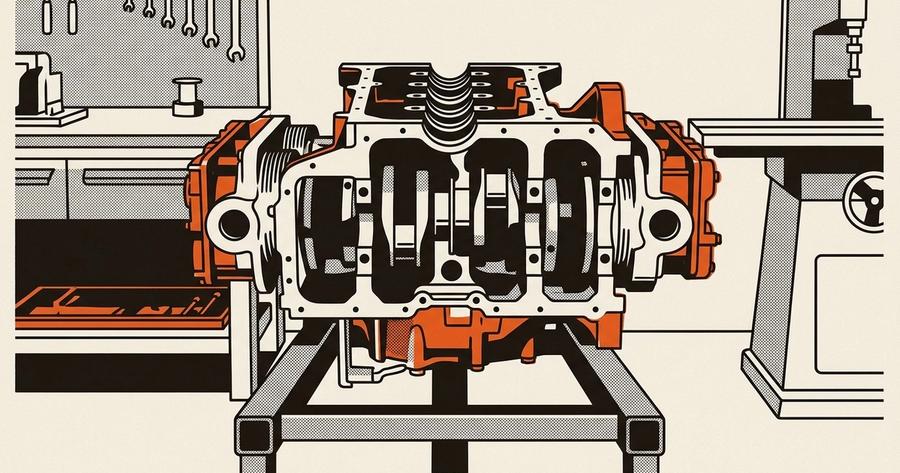
A project Porsche flat-six gets a full rebuild at LN Engineering, with insight from Jake Raby of Flat Six Innovations on the IMS bearing problem.
The cheapest Porsche on Facebook Marketplace has a way of teaching you things. Expensive things. The kind of lessons that end with you standing inside a shop that specializes in exactly the failure mode you should have anticipated before you handed over the cash. That's where this project landed: LN Engineering, with a fresh core motor on the stand and a decision to make about how far to go with the rebuild.
The answer, as it usually is when you've already committed this much money and frustration to a project car, was: all the way.
Why Air-Cooled and Early Water-Cooled Porsches Attract This Kind of Project
There's a particular gravitational pull to Porsche flat-six ownership that doesn't fully make sense until you're in it. The engine architecture is fascinating, the driving feel is unlike anything else in the price range, and the used market is littered with cars that look almost right but have deferred maintenance hiding under that clean exterior. The result is a steady pipeline of project cars that arrive at specialist shops in various states of denial.
LN Engineering is one of the places those projects end up when the owner decides to stop hoping and start fixing. The shop has built a reputation around Porsche flat-six work specifically, which makes it the right environment for a rebuild that's meant to go beyond stock. When you're already pulling the motor apart, the incremental cost of doing it properly, rather than just functionally, starts to look reasonable in context. That's not rationalization. That's arithmetic.
The IMS Bearing: What Jake Raby Actually Says About It
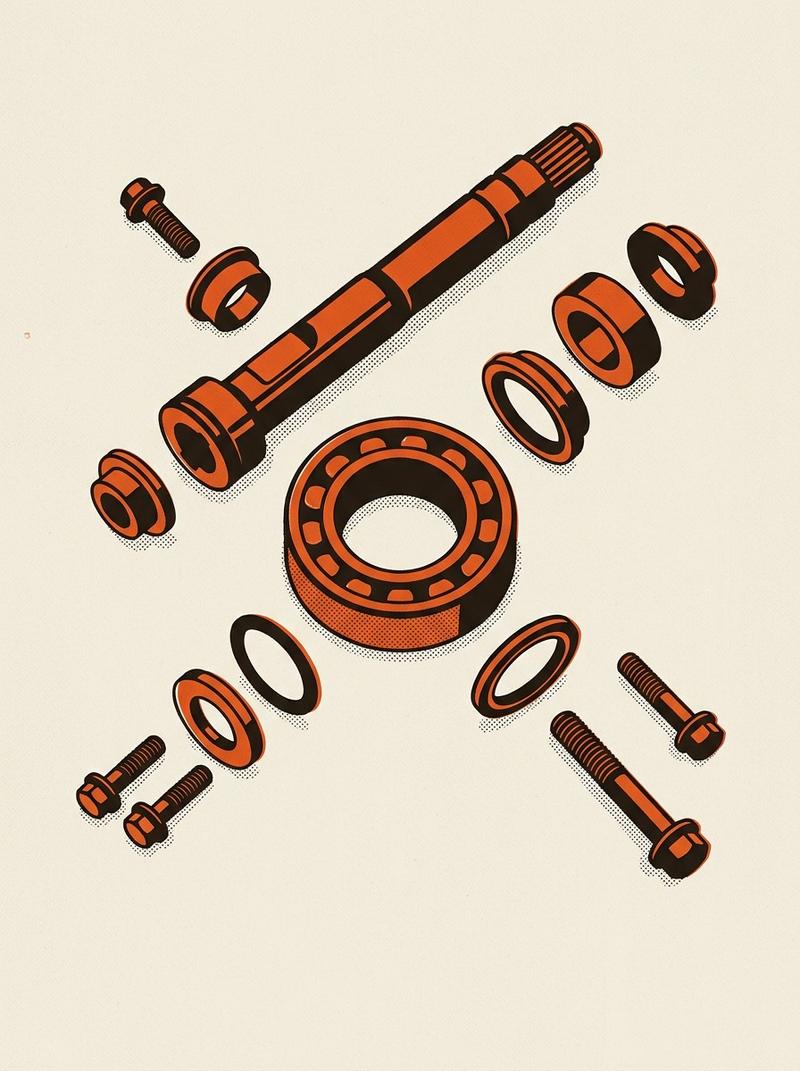
If you spend any time in Porsche ownership forums, the IMS bearing comes up constantly, usually with more heat than light. Jake Raby of Flat Six Innovations is one of the people who has actually done the engineering work to understand the failure mode rather than just discuss it, which makes his perspective worth paying attention to.
The intermediate shaft bearing, fitted to the M96 and M97 engines used in the 996 and 997-generation 911s as well as the Boxster and Cayman of that era, became infamous for failing in ways that destroyed engines without much warning. The bearing itself is relatively small, and on certain variants it was a single-row unit that proved less durable than the application demanded. When it lets go, metal debris circulates through the oiling system and the damage is typically total.
Raby's position, built on documented failure analysis rather than forum consensus, is that the problem is real but also specific, meaning not every IMS configuration carries equal risk, and the solution is a known quantity. The retrofit bearing solutions that have been developed over the years address the root cause rather than just managing symptoms. Getting that work done during a full rebuild, when the engine is already apart and labor is a sunk cost, is the correct time to do it. Doing it as a standalone job later costs significantly more in shop hours for what is, mechanically, the same result.
This is the kind of information that changes how you think about the project budget. It's not a scare story. It's a known failure mode with a documented fix, and the rebuild is the window to address it at the lowest marginal cost.
What "Absolute Monster" Actually Means in a Flat-Six Context
The phrase gets thrown around a lot in project car circles, and it rarely comes with specifics. In this context, rebuilding a Porsche flat-six into something genuinely more capable than stock means making decisions at several stages of the teardown and reassembly.
The bottom end is where durability lives. Upgraded bearings, properly measured clearances, and attention to the oiling system set the foundation. None of that shows up in a dyno number, but all of it determines whether the top-end power you build actually survives extended use. Skipping this step to save money on a performance build is the kind of logic that makes sense on paper until the engine is back on the ground and running hard.
From there, the options branch depending on what the car is actually for. Camshaft profiles, displacement changes if you're going that direction, valve work, and compression ratio all interact with each other and with the specific chassis. A street-driven Porsche that occasionally sees track days has different requirements than a dedicated circuit car, and building for the wrong use case is a common way to end up with an engine that's impressive on a spec sheet and frustrating to actually drive.
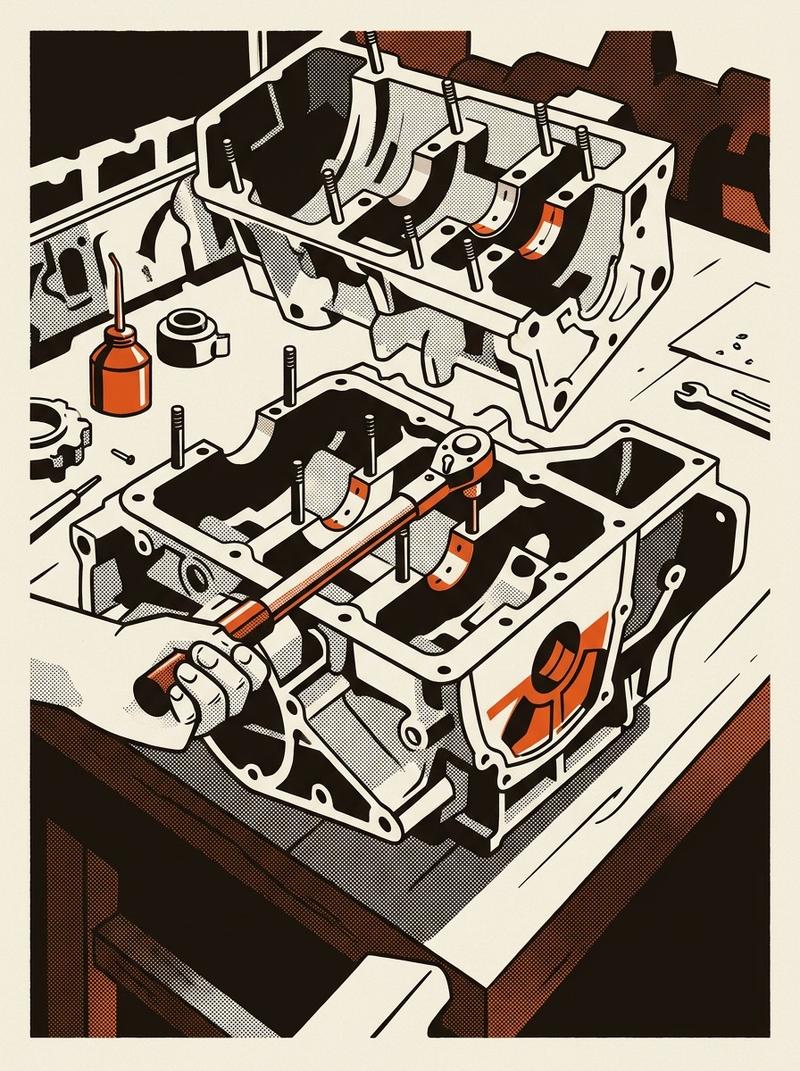
The flat-six's architecture rewards attention to the details that don't photograph well. Balancing, proper torque sequences, correct assembly lubricants, and accurate end-play measurements on the crankshaft are the kind of work that separates a rebuild from a reassembly. LN Engineering's specialization in this specific platform means the institutional knowledge for those details is already in the room.
The Economics of the Double Down
Here's the part that most project car write-ups skip because it's uncomfortable: buying the cheapest example of a desirable car and then rebuilding it properly almost never pencils out as the low-cost path to ownership. The math on a cheap Porsche that needs a full engine rebuild, done correctly with quality parts at a specialist shop, typically approaches or exceeds what a cleaner, higher-mileage-but-maintained example would have cost at the outset.
That's not an argument against doing it. It's an argument for being clear about why you're doing it. If the goal is the cheapest possible route to a running Porsche, the marketplace car with the cheapest asking price is often not that car once the full accounting is done. If the goal is building a specific engine to a specific specification in a chassis you've already inspected and chosen, then the rebuild makes sense on its own terms regardless of the acquisition cost.
The project described here seems to be the second kind. A core motor that was already sourced, a shop relationship already established, and a clear intent to build beyond stock. That's a coherent plan. The lesson from the marketplace purchase isn't that Porsches are money pits. It's that the entry price on the listing is not the number that matters.
What Comes Next
A flat-six rebuild at this level takes time. The machine work alone, if you're doing any bore work or head reconditioning, adds weeks to the timeline. Assembly requires patience and measurement, not enthusiasm. The engine that comes out of this process will be fundamentally different from the one that came out of the car, not just repaired but rebuilt with intention.
That's the part of project car ownership that doesn't translate well to short-form content but defines whether the project was worth doing. The driving feel of a flat-six that has been assembled correctly, with the IMS situation resolved and the internals built to a higher standard than the factory line, is a specific and real thing. It's not a placebo. It's the difference between a machine that's running and a machine that's right.
Getting there from a marketplace Porsche takes money, time, and the willingness to double down at the exact moment when cutting losses feels like the sensible move. The sensible move is rarely the interesting one. That's probably why you bought the Porsche in the first place.