We Bought a Rolling Chassis and Now We Have a Plan (Sort Of)
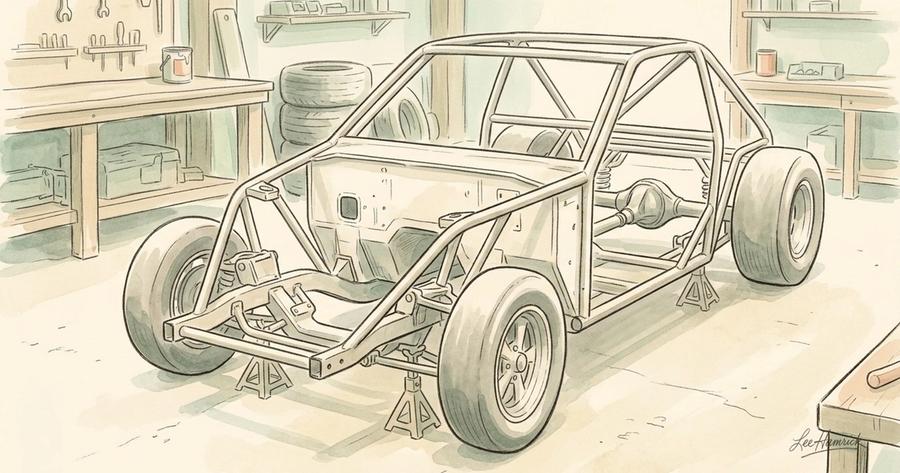
We picked up a rolling chassis with one goal: build a real drag car from scratch. Here's what we found, what we're planning, and why we're all in.
There is a specific kind of chaos that comes with buying a rolling chassis. No engine, maybe no interior, definitely no illusions. Just bare bones, a whole lot of potential, and the quiet understanding that you have just committed yourself to something that will eat your weekends for the foreseeable future. We know this. We bought it anyway.
This is how race car builds always seem to start, right? Someone finds a shell, or a stripped-out donor car, or a former track car that ran out of budget before it ran out of ambition. You walk around it a couple of times. You poke at things. You make a list of what it needs, which is always longer than what you were expecting. Then you look at each other and say, yeah, we're doing this. That's exactly where we are.
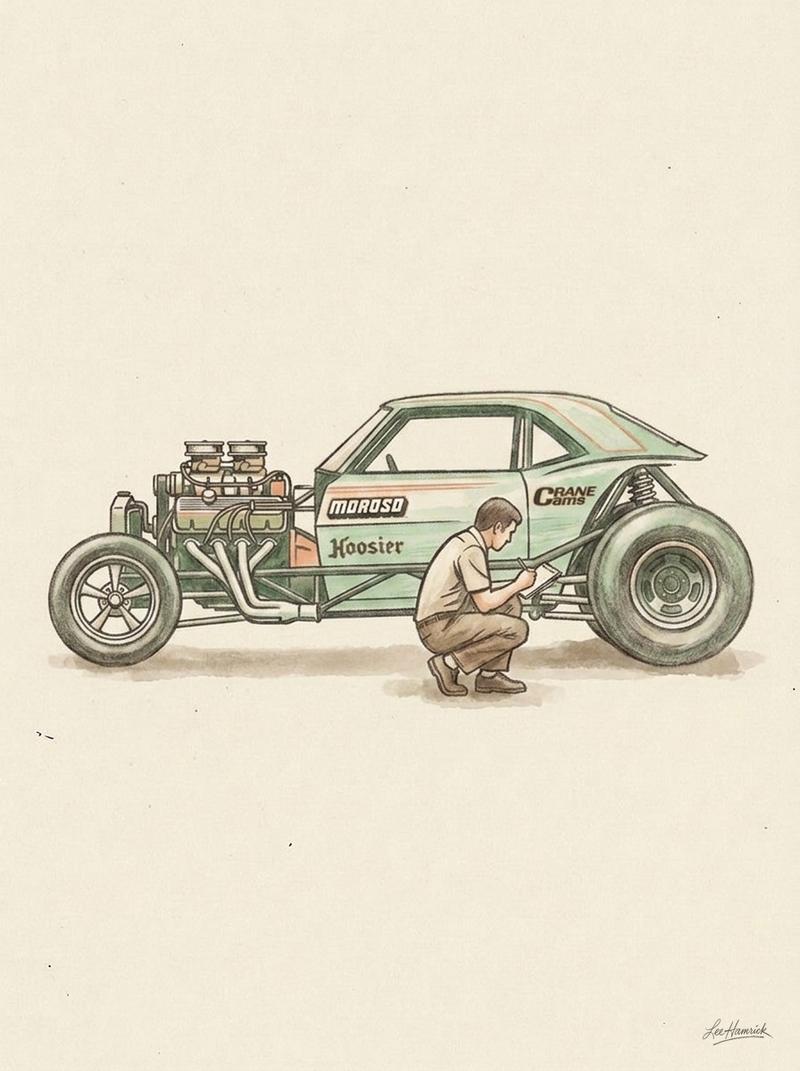
The goal is a real drag car. Not a street car that occasionally sees the track, not a "mostly stock with a tune" situation. A purpose-built, strip-ready machine that has one job and does it well. That clarity is actually a relief. When you're building something that only has to go fast in a straight line, every single decision has a clean filter: does this make the car faster down the track, or doesn't it? No compromises for ride quality. No nods to street manners. Just the build.
Walking through a rolling chassis like this one is genuinely exciting if you're the kind of person who thinks about weight distribution before breakfast. What's already there tells you a lot about what the previous owner was trying to do, and what's missing tells you even more about where it stopped. This one gave us plenty to work with and a solid starting point for the plan. We went through it corner to corner, made notes, argued about a few things (respectfully), and came out the other side with an actual direction.
The planning stage of a build like this is underrated. People want to skip straight to the loud parts, the engine going in, the first pass down the track, the time slip. But the hour you spend standing in a garage talking through the build sequence honestly saves you from a nightmare three months later when you realize you needed to run a fuel line before you bolted in the cage. Measure twice, cut once. Map it out before you start throwing money at parts.
What we're doing here is building in public, which adds a whole different layer of accountability. Sam is documenting this one on his channels, and we're going to follow along right here. That means you'll see the wins and the dumb mistakes and the moments where the plan runs directly into reality and reality wins. That's the honest version of a build series, and it's the only version worth doing.
Drag racing gets a little bit undersold in the enthusiast conversation sometimes. People lean toward road courses, toward lap times, toward the idea that turning left AND right somehow makes you more sophisticated. But there is nothing casual about going fast in a straight line. The physics are unforgiving. Traction, weight transfer, launch control, suspension tuning for the hit off the line, all of it matters enormously, and getting it wrong shows up immediately and objectively in the number on your time slip. You can't blame the track layout. You can't blame a bad apex. The car was fast or it wasn't.
That kind of clarity is something I genuinely respect about drag racing. The feedback loop is short and brutal and honest. Build a better car, go faster. Simple to say, incredibly hard to execute at the level where fractions of a second separate a good run from a great one.
So the rolling chassis is in the shop, the list is on the whiteboard, and the build is officially underway. Follow Sam's journey on his Instagram, TikTok, YouTube, and Facebook, and we'll be right here covering the milestones as they happen. First pass can't come soon enough.
Written by
Kathlien "Kat" Mangino