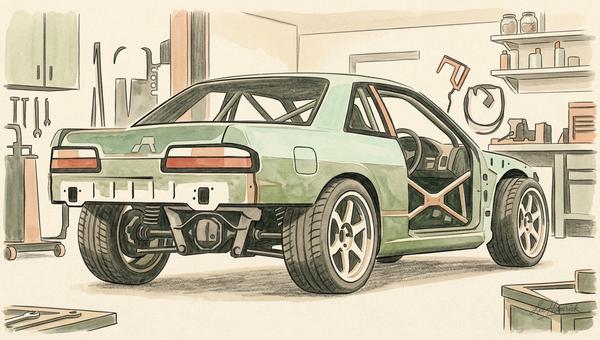
Cheap Racecar Build Ep. 4: The Engine Is In, the Trans Is Bolted, and the Weight Numbers Are In

Episode 4 of the CJ Race Cars budget build: drivetrain is in, the scale has spoken, and the fabrication discipline is paying off in real weight numbers.
Weight is the only number that matters in budget motorsport. Not horsepower. Not torque. Weight. Because at this level, where you're scraping together parts and making fabrication decisions at every turn, the pound you don't add is worth more than the horsepower you can't afford to buy. That's the fundamental truth driving this entire build.
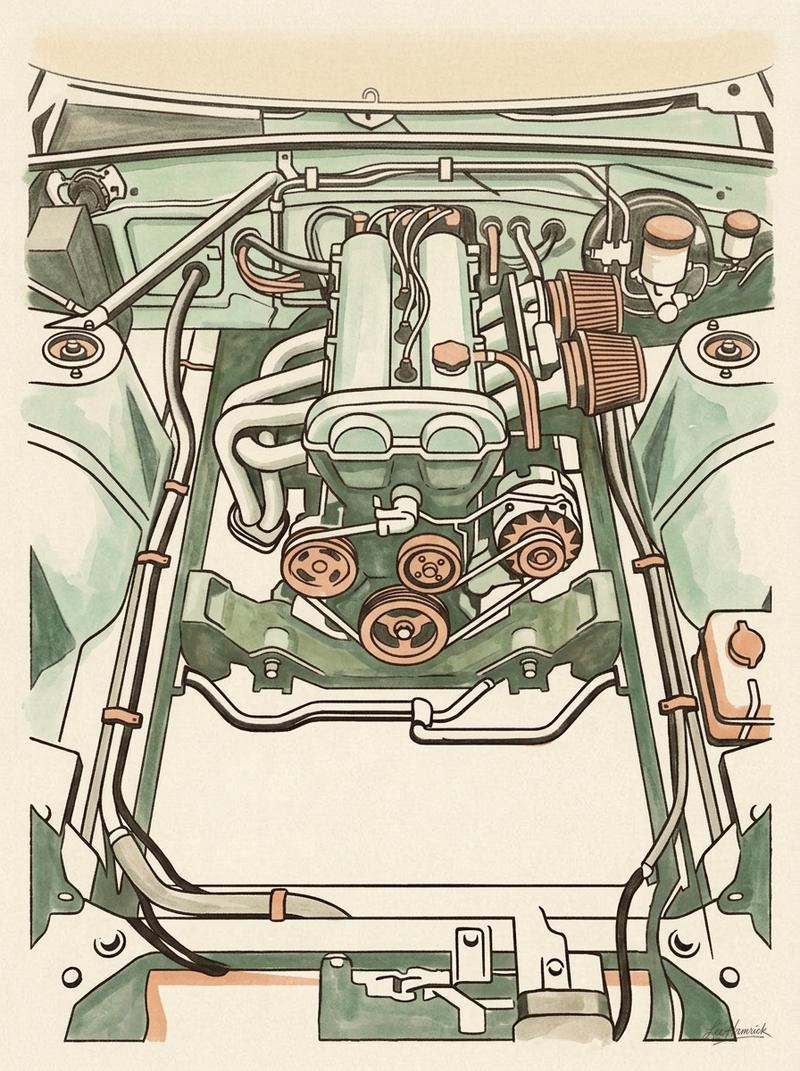
Four episodes in and CJ Race Cars has crossed two major milestones off the list: the engine is in the car, and the transmission is bolted up. Those two sentences sound simple. They are not simple. Getting a drivetrain mated and mounted in a stripped, fabricated shell involves a level of fitment cursing that would make a sailor uncomfortable. But it's done. The car runs. And the team has a weight number.
The source material for this episode doesn't identify the engine or transmission by name, and I'm not going to invent specs that aren't confirmed. What the build coverage does make clear is that CJ Race Cars didn't pick the engine at random. The team made deliberate choices around a target RPM range, a torque curve that works with the chosen gearing, and a reliability floor that matters when you're not running a full pit crew. The transmission was selected as part of that same system, not as a standalone line item. Those details will presumably land in a future episode, and they're worth waiting for rather than guessing at now. If you want to see how engine selection shapes a build from the ground up, Episode 1 of this series is where that conversation started.
The weight result when the car finally rolled onto the platform is not published in the source material either, and again, a vague characterization beats a made-up number. What CJ Race Cars describes is a result better than expected, driven by consistent fabrication discipline across the entire build. Every bracket skipped, every panel deleted, every component swapped for a lighter alternative added up. The build coverage makes clear the scale confirmed those decisions rather than exposing any of them as wishful thinking.
Here's why weight matters so much in this class of racing, because some people still argue about this and I don't know why:
- Power-to-weight ratio scales linearly. Cut 100 pounds and you get the same percentage improvement as adding the equivalent proportion of horsepower. On a budget build, that's often more achievable than an engine build.
- Lighter cars are easier on consumables. Tires, brakes, and suspension components all last longer when they're not fighting unnecessary mass every lap.
- In wheel-to-wheel or time-attack competition, a light car with modest power consistently beats a heavy car with big power through slow corners and transitions. The physics are not negotiable.
- Heat soak in underpowered platforms becomes a non-issue when you're not lugging dead weight. The drivetrain breathes easier.
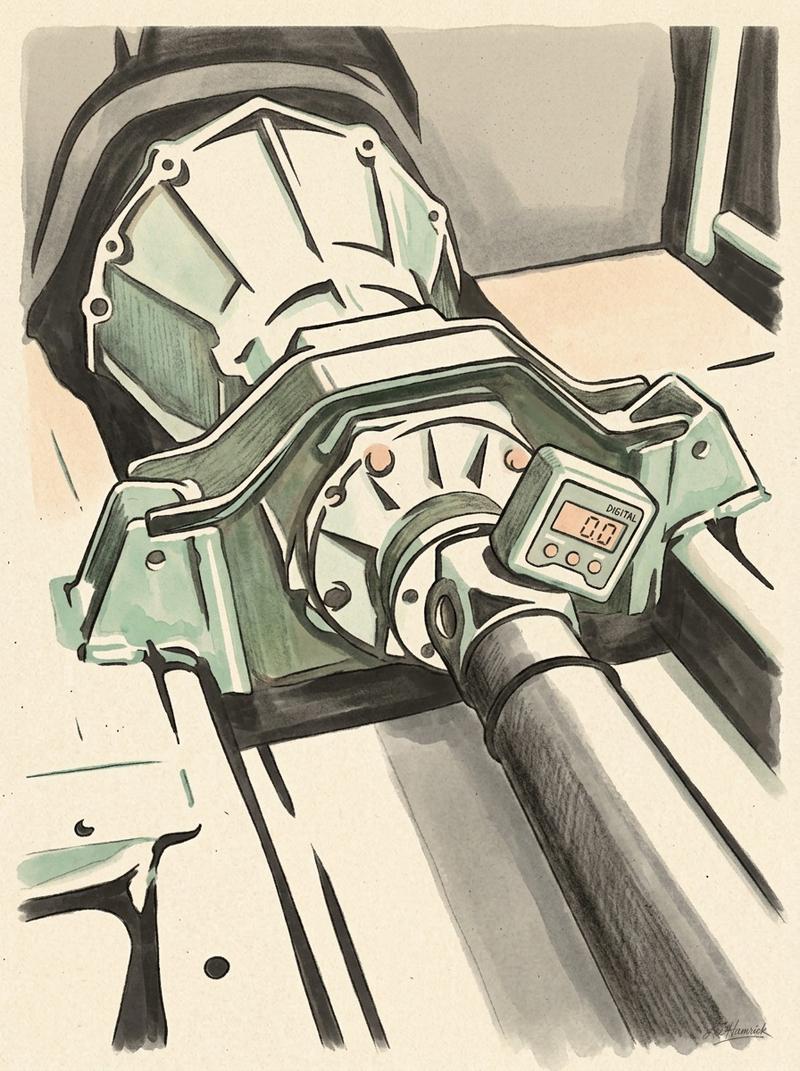
Getting the transmission installed and aligned correctly in a fabricated car is the kind of job that either goes smooth or goes three-days-and-a-broken-knuckle. Driveline angles are serious business, and CJ Race Cars treated them that way. The fabrication work to mount the drivetrain cleanly, including the mounts, crossmembers, and any lines that had to be routed around the new hardware, represents real hours and real decisions. The source material doesn't detail each specific fabrication step, but the weight outcome suggests the team kept asking the right question at every stage. If you're thinking about tackling a build like this on a tight budget, our $2,500 budget track car guide covers a lot of the same ground.
The target racing class or event isn't specified in the source material available for this episode, so the competitive benchmark CJ Race Cars is chasing isn't something I can pin to a rulebook or a minimum weight number here. What the build coverage does convey is that the team considers the car positioned to genuinely compete at its intended event, not just to show up and circulate. Budget builds can easily spiral into heavy, compromised machines that run but don't really race. This one is tracking differently. For more on what separates a real race car build from a parts pile with ambition, the track car buyer's guide puts the performance conversation in useful context.
The next phase is finishing the systems, getting through a shakedown process, and finding out whether the weight and power combination holds up when the clock starts. That's when every build decision gets graded. The scale was the first exam. The track is the final, and based on the work CJ Race Cars has put into this thing across four episodes, the numbers so far make a reasonable case for optimism.
Bottom line after Episode 4: the drivetrain is in and aligned, the fabrication discipline showed up on the scale, and the overall package is taking shape as something more than a parts car with ambition. The engine and transmission details are still owed to the audience, and those specifics will matter when it comes time to evaluate the power side of the equation. For now, the weight half of the ratio is looking like it earned its place in the build. Episode 5 picks up where this one leaves off, and the rear end work is worth reading about.

Written by
Ben Eckels