Experiencing the Adrenaline Rush: A Day with OnGrid

In the realm of high-performance driving events, OnGrid stands out as a…
There's nothing quite like the moment a racetrack straightaway opens up ahead of you, the tachometer climbing, the world narrowing to a ribbon of tarmac and two brake markers. OnGrid track days make that moment accessible to drivers of all experience levels, offering a structured, safety-focused environment where enthusiasts can genuinely explore what their cars — and their own driving — are capable of. If you've been curious about what a day with OnGrid actually looks like from gates-open to cool-down lap, this is it.
Preparing Your Car and Yourself Before the Event
Preparation begins well before you pull into the paddock. OnGrid requires participants to ensure their vehicles meet specific technical and safety standards, which typically means a pre-event inspection covering brakes, tires, fluids, and wheel bearing condition. Loose items must be removed from the cabin, and all fluid caps need to be secured or taped down.
On the gear side, a properly rated helmet is non-negotiable. Depending on the event tier, additional equipment such as driving gloves and appropriate footwear may also be required. Checking the specific requirements for your run group ahead of time saves a scramble on the morning of the event.
Beyond the mechanical checklist, the mental preparation matters too. Studying the circuit layout beforehand, even via an onboard video on YouTube, pays dividends once you're actually rolling. Many drivers also set concrete session goals — hitting a particular braking marker, carrying more speed through a specific corner — rather than just showing up and hoping for the best.
Arrival: The Paddock Atmosphere
Pull into an OnGrid event and the sensory hit is immediate. Engines warming up, the sharp smell of race fuel and brake dust, animated conversations between drivers crouched over engine bays — it's an atmosphere that's hard to replicate anywhere outside a circuit. The energy is collaborative rather than competitive, which sets the tone for the whole day.
Upon check-in, participants are assigned to run groups based on declared experience level. This grouping system is deliberate: it keeps pace differentials manageable on track and ensures that a first-timer isn't sharing corners with someone running a full harness and roll cage build.
Safety Briefing and Classroom Instruction
Before anyone turns a wheel in anger, the safety briefing is mandatory. Track-specific rules, passing zones, flag signals, and driving etiquette are all covered. Knowing the difference between a yellow flag and a black flag isn't academic — it's the practical knowledge that keeps everyone on the circuit safe.
Novice participants typically have access to additional classroom sessions where instructors break down high-performance driving fundamentals: trail braking, weight transfer, the concept of a racing line, and how to use reference points consistently. This structured instruction bridges the gap between street driving habits and the techniques that actually work at speed.
On Track: What the Experience Actually Feels Like
When your run group is called and you roll to the pit exit, the shift in focus is immediate. The first session is rarely about outright pace — it's about reading the circuit, identifying braking references, and building confidence in the car's limits. By the second or third session, the track starts to feel familiar, and that's when the real driving begins.
Accelerating hard onto a straight, late-braking into a heavy corner, feeling the front tires load up as you hit the apex and start unwinding the steering — these are forces and sensations that no road drive replicates. The g-loading through a fast, well-executed corner is genuinely physical. It's also addictive.
The feedback loop between sessions is part of what makes track days so effective for improvement. Something that felt rushed or uncertain in session one can be analysed, adjusted, and tested again within the hour.
Vehicle Diversity in the Paddock
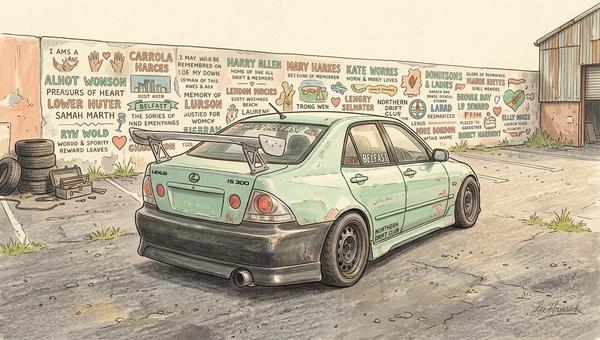
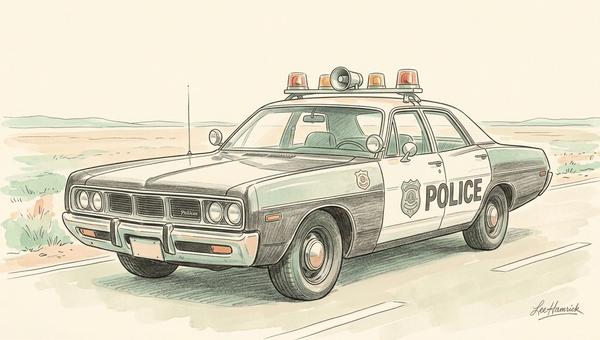
One of the more underrated aspects of OnGrid events is the variety of machinery on display. A typical day might include naturally aspirated sports cars, turbocharged imports, modified daily drivers, and the occasional classic muscle car, all sharing the same pit lane. Each car is a conversation starter and a learning opportunity.
Talking to drivers about their setup choices — why they chose a specific tire compound, what suspension geometry changes they made, how they manage brake fade over a full day — accelerates knowledge in a way no online forum quite matches.
Learning Lap by Lap
Track driving rewards incremental improvement above almost anything else. A single session might yield one clean, committed run through a corner that had previously felt loose — and that one lap recalibrates your entire reference point for what's possible. Instructors are available to ride along, offering real-time feedback that compresses the learning curve significantly.
Whether the goal is a clean personal best, consistent lap-to-lap execution, or simply getting comfortable with threshold braking, every session adds data.
Winding Down: Post-Session Debrief and Camaraderie
As the final session ends and engines cool in the paddock, the mood shifts to something more reflective. Drivers trade stories, compare notes on tricky sections of the circuit, and debrief with instructors. The sense of shared experience is genuine — everyone on that paddock spent the day doing something most people never will, and it bonds the group in a way that's hard to manufacture.
For newcomers, completing a clean first track day is a real achievement. For regulars, shaving time off a personal best or nailing a corner they've struggled with is equally satisfying. The metrics differ, but the satisfaction is the same.
Key Takeaways
- Preparation is half the battle. Completing your vehicle inspection and safety gear checklist before the day eliminates stress and lets you focus on driving.
- Run group assignment exists for a reason. The experience-based grouping system is what makes the track environment safe and enjoyable for everyone from first-timers to experienced drivers.
- Instruction accelerates improvement dramatically. Taking advantage of classroom sessions and in-car coaching compresses learning that might otherwise take years of self-guided track time.
- The paddock is a learning environment. The diversity of vehicles and drivers at OnGrid events creates an informal exchange of knowledge that's genuinely valuable.
- Every lap is a data point. Track driving rewards consistent analysis and incremental adjustment — the drivers who improve fastest are the ones treating each session as a structured exercise, not just a thrill run.

Written by
Cory Kiesz