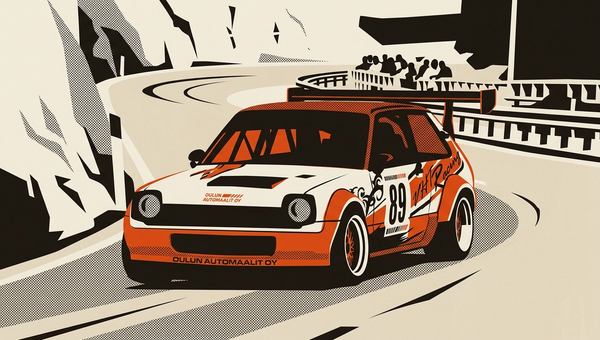
Jackstand's Camaro Is Getting the Biggest Engine They Build

The CJ Race Cars dream build Camaro is getting a massive engine upgrade. Here's why a max-displacement V8 swap is the right call for this build.
There is a particular kind of automotive commitment that skips the sensible middle options entirely and goes straight to the largest displacement on the menu. That is exactly where the CJ Race Cars dream build Camaro has landed, and honestly, it is the only decision that makes sense once you have already committed to building something worth remembering.
The build in question is the CJ Race Cars Dream Build giveaway Camaro, a project that has now had its budget raised to $110,000. When you are working with that kind of budget and you have a Camaro as your canvas, choosing anything other than the biggest engine they offer is a form of timidity that serves no one. The people who enter builds like this are not shopping for commuter-friendly torque curves. They want displacement, they want character, and they want an engine that announces its presence before you ever see the car.
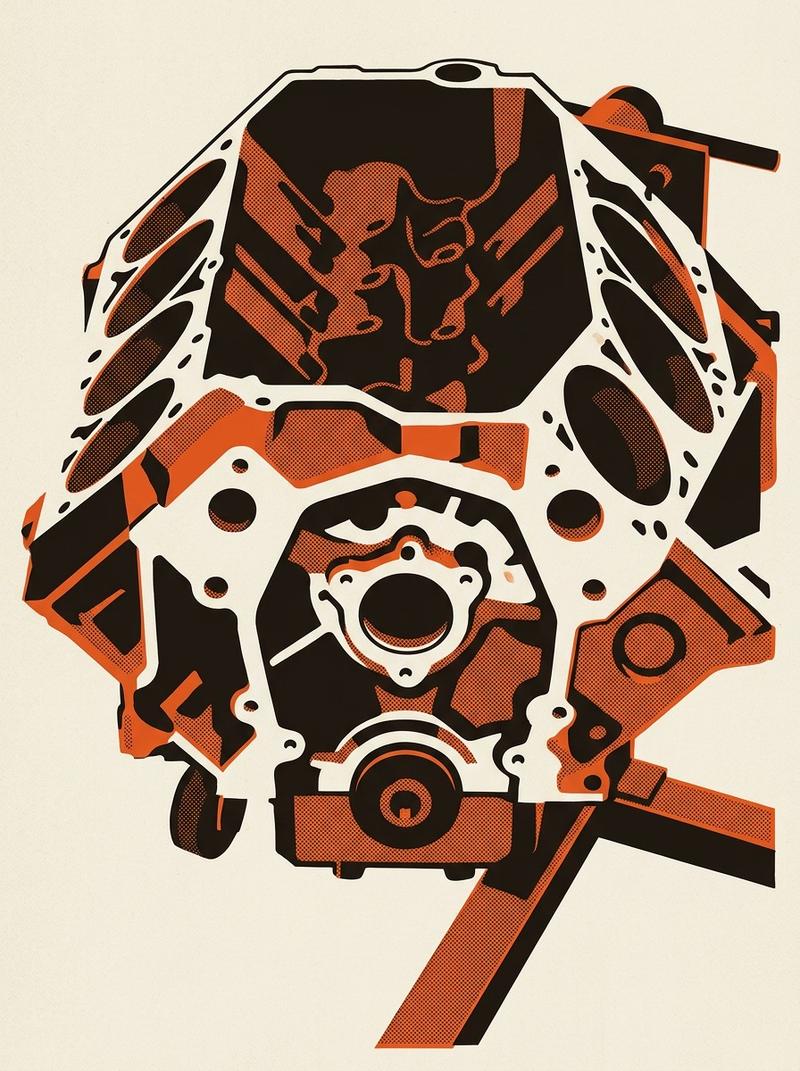
Why Maximum Displacement Still Matters
There is a tendency in current automotive culture to treat big-inch naturally aspirated engines as relics, something you tolerate until the turbos and superchargers catch up emotionally. That framing is wrong, and anyone who has spent time behind the wheel of a large-displacement V8 in a rear-wheel-drive American muscle car knows exactly why.
Forced induction adds power on top of what the engine is doing. A big displacement engine is doing it from idle. The throttle response, the pull from low rpm, the way the car moves with you rather than waiting for boost to build, these are not nostalgic preferences. They are real driving dynamics that translate directly to how connected you feel to the machine. On an autocross course or a road course, that connection is the whole point. On the street, it is what separates a car you drive from a car you experience.
The Camaro platform has always been well-suited to this kind of build. The basic architecture is stiff, the weight distribution is workable, and the aftermarket support is deep enough that a serious builder can tune the chassis to match whatever the engine is putting down. Dropping the largest available engine into that package is not excess for its own sake. It is matching the drivetrain to the potential of the platform.
What a $110,000 Budget Actually Unlocks
A hundred and ten thousand dollars sounds like a lot until you start pricing out what a genuinely sorted performance build requires. Engine, transmission, cooling, fuel system, suspension, brakes, interior, safety equipment if the car ever sees a track, and labor rates at a shop that knows what it is doing, the number gets consumed faster than you expect.
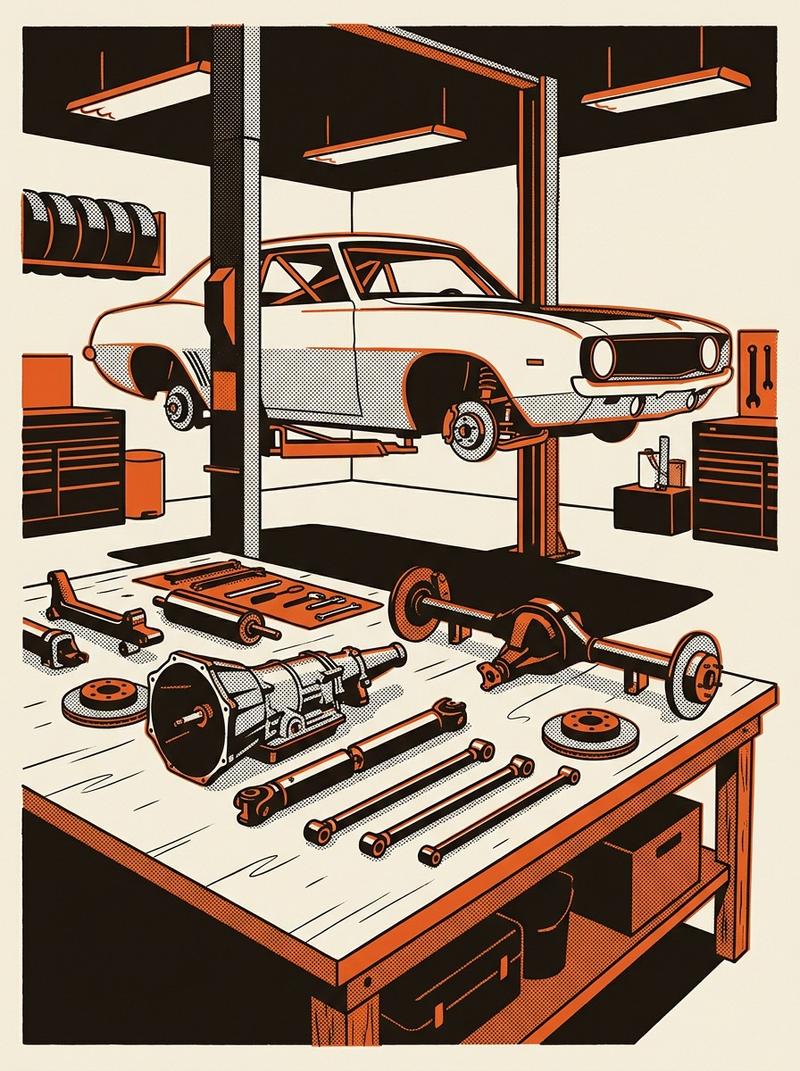
Raising the budget mid-build is a sign that the people running this project are not cutting corners to make the numbers work. That matters. A dream build that gets value-engineered at the end is not a dream build. It is a compromise with a good story up front. The decision to increase the budget rather than compromise the engine choice says something real about the priorities here.
At this level, the engine is not just the heart of the build. It is the organizing principle. Every other choice, the transmission ratios, the differential setup, the brake package, the suspension tuning, follows from what the engine needs and what it is capable of producing. Starting with the largest displacement option simplifies those decisions in the best possible way. You are not trying to compensate. You are trying to manage abundance.
Camaro as a Platform, Not Just a Trophy
It is worth saying plainly: a Camaro at this build level is not a show car that happens to run. The platform has real performance credentials. The fifth and sixth generation cars proved that American muscle could compete on road courses and not just in straight lines, and a properly built version of this car with a max-displacement engine and the chassis work to support it is a serious performance machine by any honest standard.
The giveaway angle is interesting too, because it means whoever ends up with this car has to live with all of those decisions. That puts a certain pressure on the builders to get it right in ways that matter to a real driver, not just someone who will trailer it to shows. The engine choice, the biggest one they build, is a statement that the car is meant to be driven hard and enjoyed completely, not preserved and admired from a safe distance.
That is the kind of build worth paying attention to. Not because it is excessive, but because it reflects a set of priorities that anyone who actually drives performance cars can respect. More displacement, more capability, and a budget that does not flinch when the right choice is also the expensive one.
Sometimes the right call is simply the biggest engine they build. This is one of those times.

Written by
Renee Russell