The EV Graveyard: Every Model Pulled from the U.S. Market in 2026

Honda Prologue, Polestar, Nissan Ariya, Hyundai Ioniq 6 and more: every EV discontinued or pulled from the U.S. market in 2026 and why.
The Honda Prologue is gone. Not on hiatus, not paused for a refresh. Gone. Honda confirmed it, and with that, the last all-electric vehicle in Honda's U.S. lineup walked out the door. That sentence would have sounded absurd three years ago when Honda was laying out big, confident EV ambitions at trade shows and announcing factory investments. Now it's just Tuesday.
What's interesting isn't the Prologue specifically. What's interesting is how many other EVs quietly exited the U.S. market in 2026, almost without ceremony. The tax credit disappearing in fall 2025 gets cited constantly, and it mattered, but it wasn't the only thing. Tariffs, Chinese ownership flags, shifting company priorities, and good old-fashioned market economics all played a role. The result is a shrinking menu for American EV buyers at exactly the moment the segment was supposed to be hitting its stride.
Here's who left, and the honest reason behind each exit.
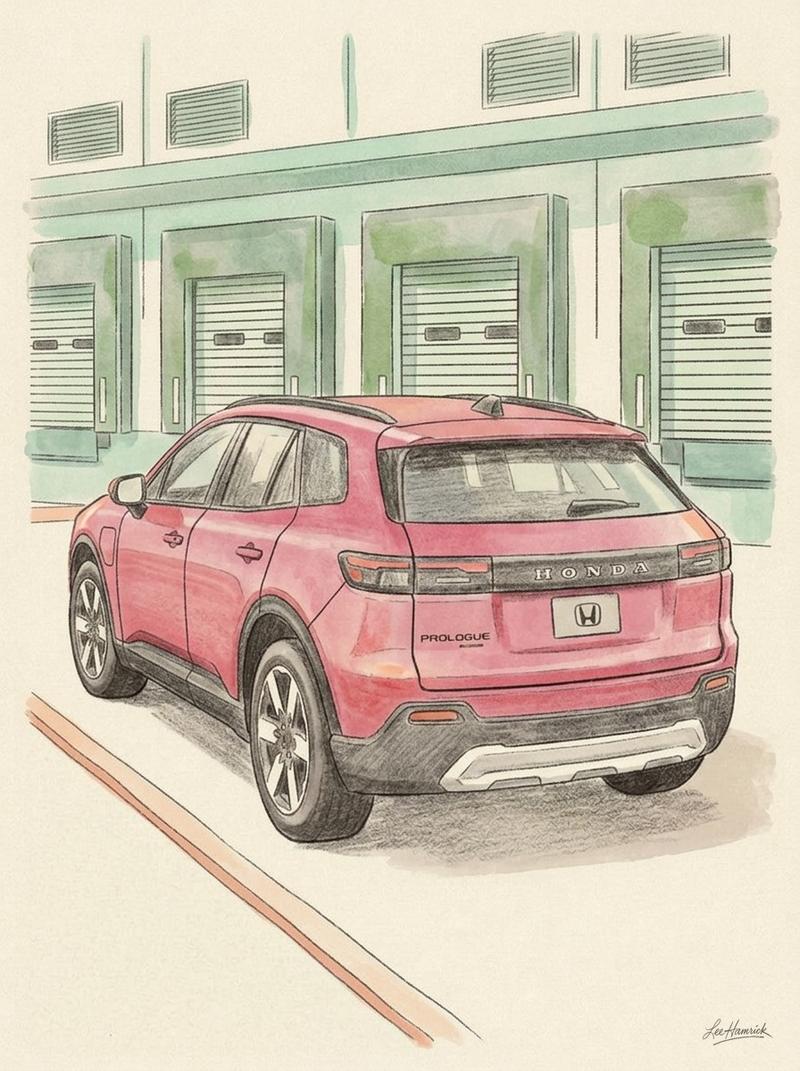
Honda Prologue and the Series 0 that never was
The Prologue wasn't a bad car. Built at GM's Ramos Assembly Plant in Mexico and closely related to the Chevrolet Blazer EV, it sold around 33,000 units in 2024 and nearly 39,000 in 2025. Those are real numbers. Then the federal tax credit ended and sales went into freefall. Honda pulled the plug officially on July 16, 2026.
The deeper hurt for Honda is the Series 0, a family of EVs that included a mid-size SUV shown at CES 2025 and an Acura RDX variant, all of which were cancelled in March 2026 before a single one reached a customer. The company pointed to U.S. tariffs and pressure from Chinese competitors. A factory in Ohio was supposed to be Honda's EV hub. That plan is now shelved. Whatever tingle there was at those CES reveals has been replaced by a quiet, corporate silence.
Afeela: the EV that existed entirely in press releases
Sony's Vision S prototype showed up at CES in 2020 and genuinely turned heads. Honda joined the project in 2022, the branding became Afeela, and for the next several years there was a constant drip of announcements, appearances, and renderings. The car was at trade shows. It was at tech conferences. It was everywhere except a dealership. In March 2026, the joint venture quietly dissolved, and the two Afeela models that were planned were cancelled. It's hard to mourn something that never existed outside of a booth, but the ambition behind it was real, and the outcome is still a loss for anyone who was watching closely.
Hyundai Ioniq 6
Hyundai has actually done better than most selling EVs in the U.S., partly because it had the foresight to build the Ioniq 5 and Ioniq 9 at its Georgia factory, which insulated those models from tariff pressure. The Ioniq 6 wasn't so lucky. It's built in South Korea and imported, and in March 2026 Hyundai announced it would stop selling it in the U.S. The high-performance N variant, lower volume and higher price, will continue to be imported. The standard Ioniq 6 is done here. It's a genuinely sharp car and one of the more driver-focused EVs in that segment, which makes this one sting a little more than the average spreadsheet decision.
Nissan Ariya
Nissan announced last year that there would be no 2026 model year Ariya for the U.S. market, and it doesn't appear to be coming back. The Ariya was unveiled in 2020 and was supposed to signal Nissan's return to serious EV competition after the Leaf, which was a genuine pioneer when it launched. The Ariya never found its footing here. Nissan's broader financial struggles didn't help, and the U.S. market apparently wasn't a priority worth protecting. The Leaf, for all its age, is still a meaningful piece of EV history. The Ariya deserved a longer shot than it got.
Polestar: banned, not discontinued
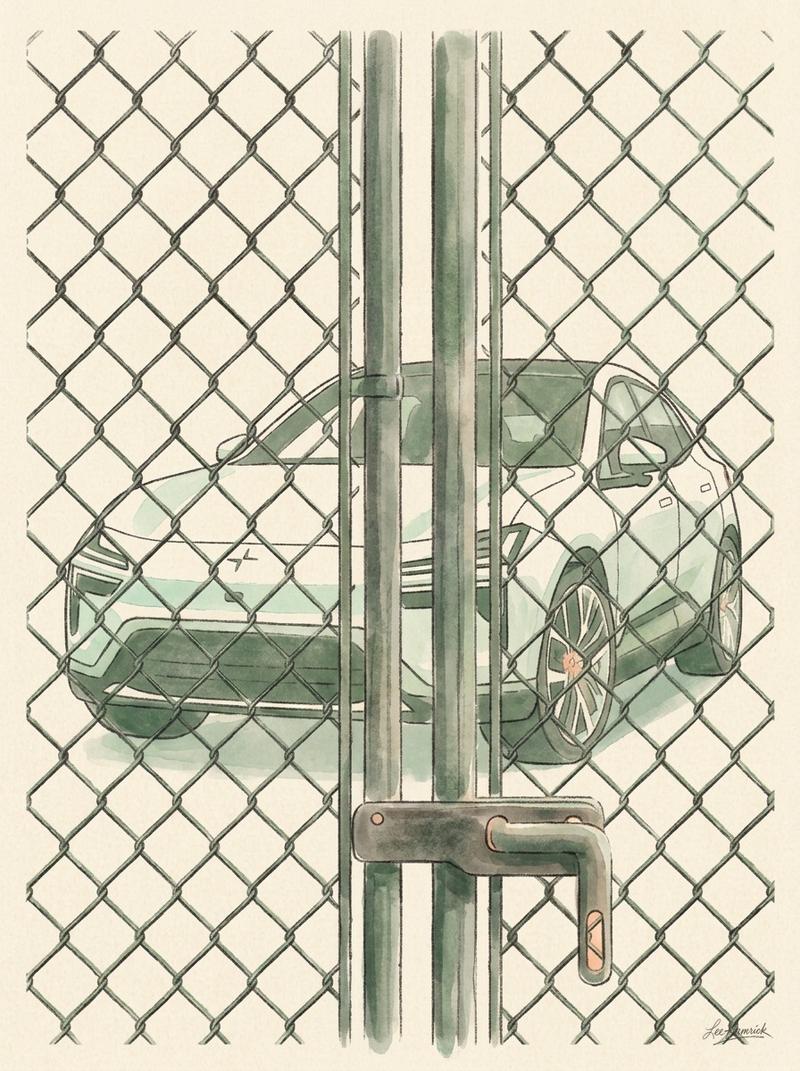
This one is different from the others. Polestar didn't leave because of slow sales or cancelled programs. Polestar is Swedish, but it's owned by Chinese automotive conglomerate Geely, and that ownership structure ran directly into U.S. regulations restricting Chinese-connected vehicle technology. Without authorization from the Department of Commerce to continue importing its vehicles, Polestar was effectively banned from selling new cars in the United States. The company said it would sell through existing inventory of the Polestar 3 and Polestar 4 and would keep its service network running for existing customers. The Polestar 3 was being assembled partly in South Carolina and partly in Chengdu, China, and that dual sourcing became the problem. There's a reasonable policy argument buried in there somewhere, but the practical result is that American buyers lost access to a legitimate, interesting EV brand not because the cars were bad but because of who signs the ownership papers.
What the list actually tells you
EV sales in the second quarter of 2026 came in at about 247,000 units, roughly 5.8 percent of the total market, according to Kelley Blue Book and Cox Automotive data. That's growth from Q1, but it's still 20.5 percent below the same quarter in 2025. The category is recovering, just slowly, and from a lower floor than anyone hoped for.
The reasons behind each departure on this list are different enough that you can't collapse them into a single narrative. The tax credit ending hurt volume players like the Prologue. Tariffs hit imports like the Ioniq 6 and contributed to Honda's broader retreat. Chinese ownership regulations took out Polestar regardless of product quality. Some cars, like the Afeela, never existed in any meaningful sense and were casualties of ambition meeting reality.
New entries are still coming. The Rivian R2 is on its way. The market isn't dying. But the menu is shorter than it was, and several of the cars that left were worth having around. That matters, because competition is what keeps every segment honest, and fewer choices in any category is never good news for the person actually buying the car.
Drive what you love, and damn everyone else. Just make sure it's still being sold first.
Written by
Lyndsay Reynolds