Ayrton Senna's Personal 1991 Honda NSX Is Going to Auction This October
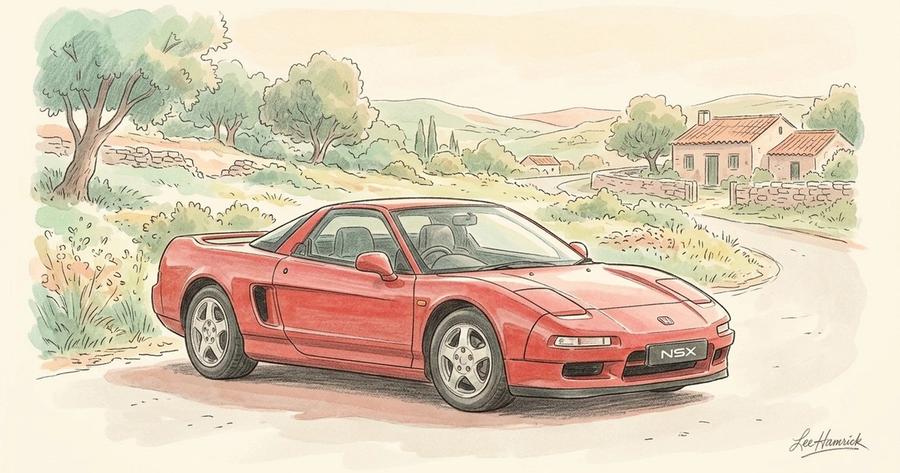
Chassis SX-25-59, the 1991 Honda NSX Ayrton Senna drove to Estoril and helped develop, goes to RM Sotheby's London auction October 31 with an estimate of $680,0
Chassis SX-25-59. That's the identifier stamped on the car Ayrton Senna drove to the 1991 Portuguese Grand Prix at Estoril. Not trailered. Not shipped in a transporter. Drove there, in the car, himself.
RM Sotheby's is offering that car, a 1991 Honda NSX given to Senna for personal use in Portugal, at their London Auction on October 31. The estimate sits between $680,000 and $1 million on the high end, with the auction house leaving the ceiling open.
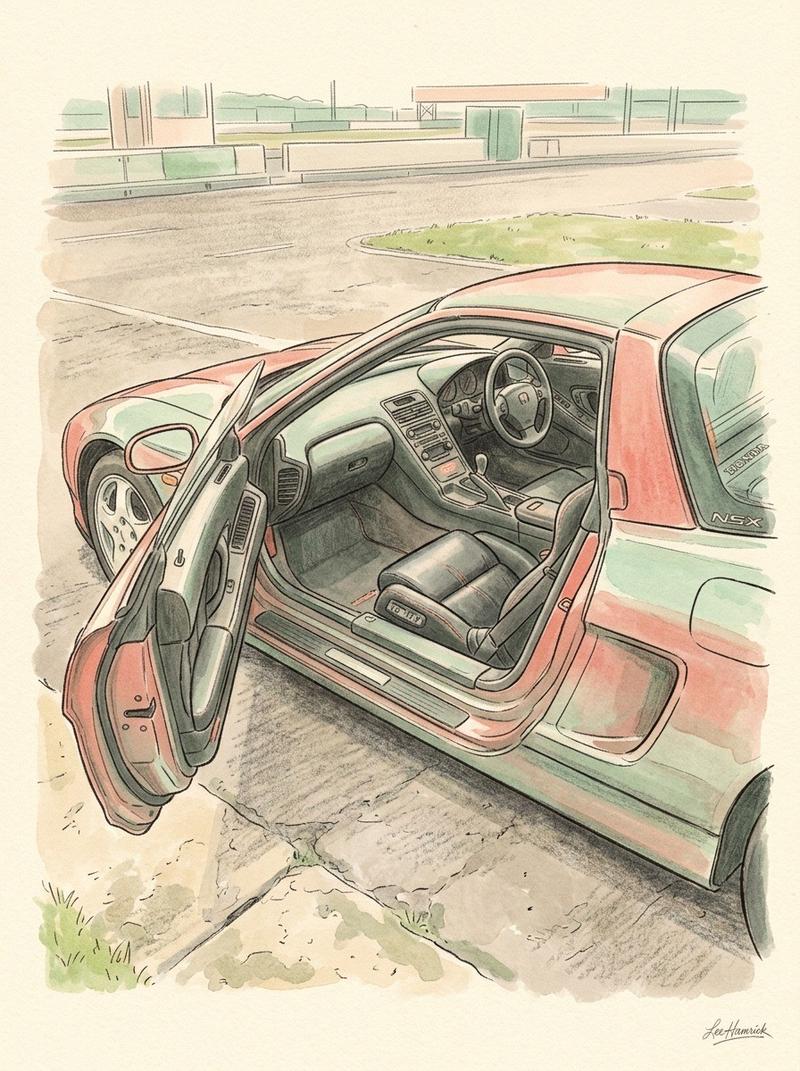
The provenance here isn't incidental. Senna's connection to the NSX predates his ownership of one. Honda brought him to Suzuka Circuit in 1989 to test the prototype, and he came back with a specific complaint: the chassis wasn't stiff enough. Honda's response was to increase structural rigidity by 50 percent before the car went to production. He also contributed to suspension tuning across test days at Suzuka and the Nurburgring. The NSX that went on sale in 1990 was, in a concrete and documented sense, partly his work.
His relationship with Honda by then was already several years deep. Honda supplied engines to Team Lotus starting in 1987, and when Senna moved to McLaren for 1988, Honda followed. The turbocharged 1.5-liter V-6 powered him to his first championship that year, with eight race victories in a single season. He took two more titles in 1990 and 1991. At that point he was the youngest three-time world champion in F1 history, a record Sebastian Vettel would later break in 2012.
As part of their arrangement, Honda provided Senna with an NSX for personal use. SX-25-59 was that car, assigned for use in Portugal. He drove it to Estoril for the 1991 Portuguese Grand Prix, and the imagery from that trip is well documented, including footage that appeared in the documentary Ayrton Senna: Racing Is In My Blood. What happened to the car between Senna's death in May 1994 and its appearance in this auction listing is not detailed in the available documentation. The chain of custody in that period is not publicly accounted for.
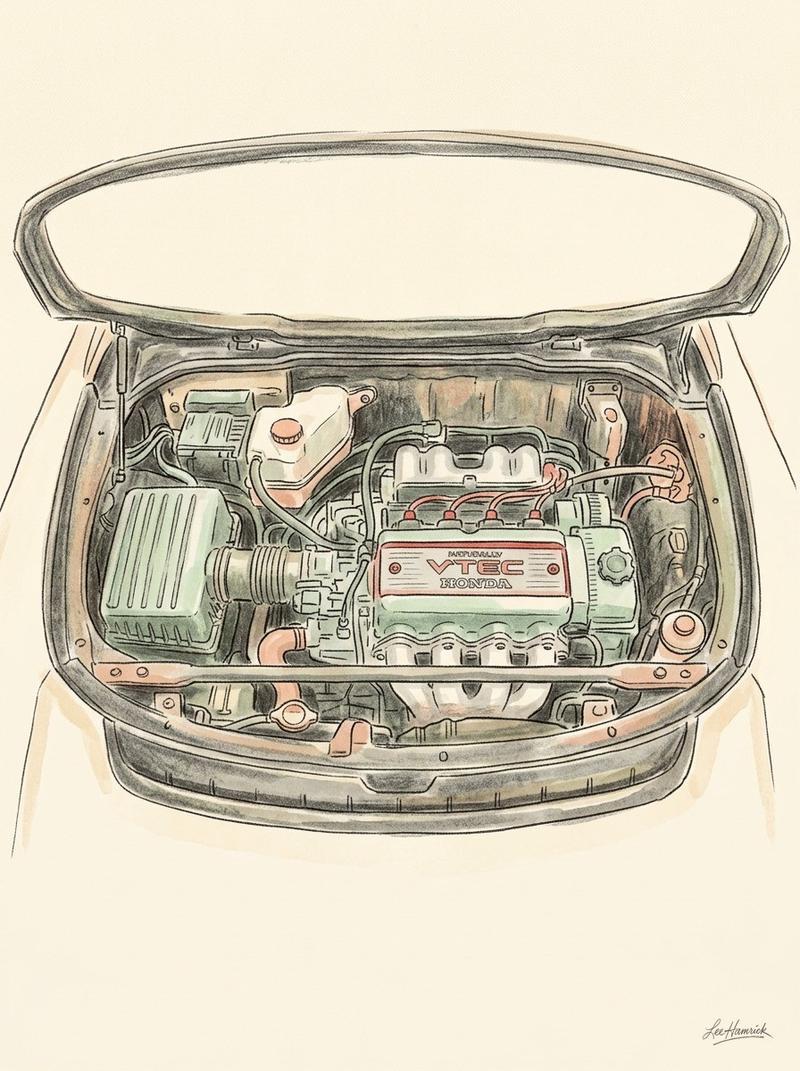
The NSX itself deserves a moment here, independent of who drove it. The car was the world's first mass-production all-aluminum monocoque, a distinction Honda Engineering documented and one that has been confirmed by multiple authoritative sources. The mid-mounted V-6 was naturally aspirated, hand-assembled by a single technician at the Tochigi plant, and the whole package weighed around 3,000 pounds. New in 1991, the NSX listed for roughly $62,000, which was serious money for a Honda and serious competition for European sports cars at the same price. It was a serious driver's car in 1991 and it holds up that way now. Senna didn't need to improve the car to make it collectible. It was already that.
The combination of the car's inherent credentials and Senna's documented, hands-on role in its development makes SX-25-59 something different from a signed jersey or a race suit behind glass. This is a production car he worked on, then owned, then drove on public roads to a race weekend. The artifact and the participation overlap in a way that almost never happens at this level. The listing does not detail the car's current mileage or condition, and those are real gaps for any buyer doing due diligence before bidding.
The $680,000 floor is a real number. The standard for an unmodified, well-documented first-generation NSX in excellent condition runs considerably lower, and has for years. But this isn't a comps conversation. A car with this provenance doesn't have comps. McLaren named an entire road car after Senna as a commemoration, which tells you something about the weight the name still carries in this market. The ceiling the auction house left open is probably the honest read on where it lands.
The London Auction is October 31. The car goes across the block that day, and whatever it brings will set the high-water mark for the nameplate.

Written by
Lee Hamrick