The Tire Brands Nobody Talks About (And Why That's a Problem)

Budget tire makers deliver real value. Why commercial shops and forums ignore them anyway, and what that tells you.
There's a specific moment at a tire shop when a customer points at a price and says, "That can't be right." The technician nods, explains that yes, that budget brand is made by one of the Big Four or a established second-tier manufacturer, and then spends the next five minutes talking them out of it anyway. Not because the tire is bad. Because the shop makes less money on it.
That's the opening you need to understand: cheap tire brands aren't cheap because they're thrown together in a garage. Most are manufactured by the same companies that make the tires you've been paying twice as much for. General Tire, Kumho, Laufenn, Cooper, and Sailun aren't boutique outfits. They're owned by Continental, Hankook, and other established players, or they're established manufacturers in their own right with decades of supply chain competence. The reason they're ignored isn't because they don't work. It's because they're not loud about it.
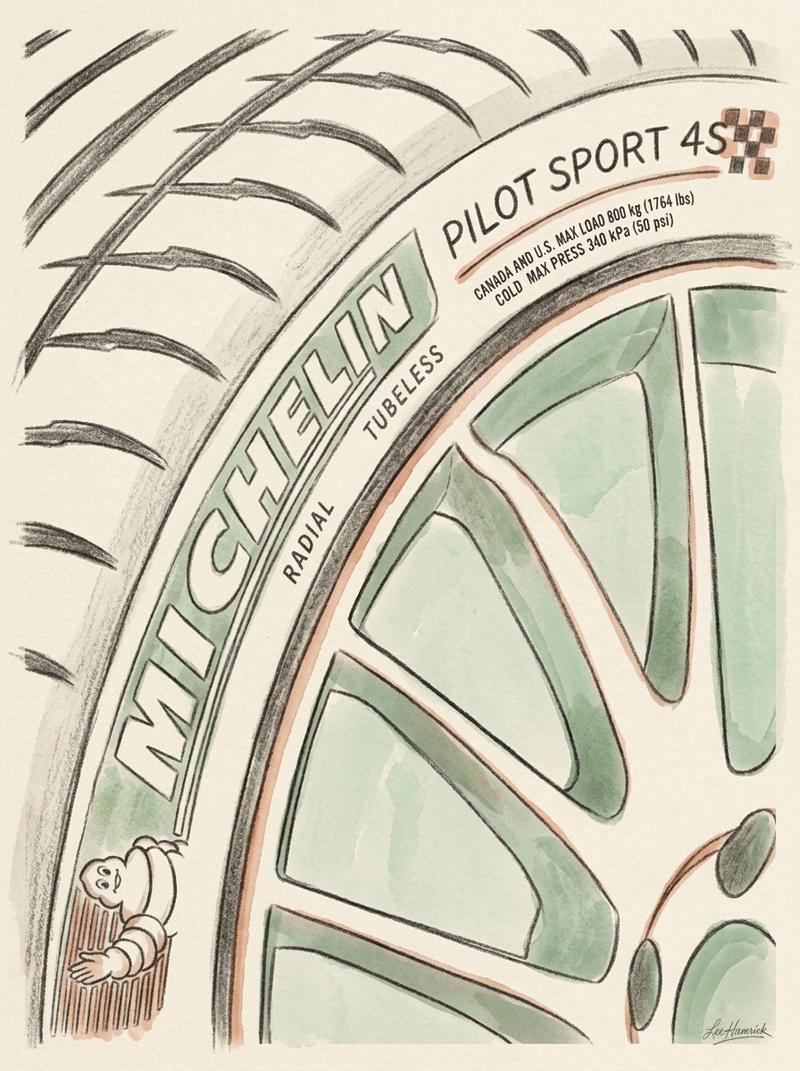
If you spend time in tire forums, you'll see the same three brands recommended over and over. Michelin, Bridgestone, Goodyear. Good tires, all of them. But "good" and "necessary to spend this much money" are not the same thing. A Kumho or Laufenn tire meets the same performance standards as what you'd pay $50 more per wheel for under a prestige label. The engineering that goes into a budget tire from an established maker is legit. The tread compounds are real. The structural design isn't a shortcut. What's missing isn't quality. It's marketing.
Take Laufenn, which is owned by Hankook and built with the same standards. Or General Tire, which has been making tires since 1915 and isn't some new economy brand trying to undercut the market. These aren't gambles. They're the same company, different label. The customer doesn't know that, the shop doesn't mention it, and the online enthusiast community hasn't built a consensus around them because there's no enthusiast romance in a tire that just works and costs less.
Commercial tire shops have a structural incentive not to talk about value. Tires are one of their highest-margin products. A customer who comes in knowing what they want is a customer buying the lowest markup item in the shop. So what happens? The technician listens to your budget, then recommends a tire that's "worth the extra money." Maybe it is. Maybe the shop just made an extra $400 in a 15-minute conversation. You have no way to know, because you don't have access to the shop's cost sheet or their commission structure. What you have is a technician telling you that the cheap option is a risk. Most people take the hint.
This is where working on your own research becomes non-negotiable. Not because tire shops are evil. But because they're not aligned with what you need. A tire that lasts 40,000 miles and costs $80 is objectively a better value than one that lasts 60,000 miles and costs $180. The second one might be a better tire in other ways, but the premise that it's "worth it" is something you have to verify yourself, not take on faith from someone whose paycheck depends on you believing it.
The mechanics worth trusting are the ones who will say: "Here's what I'd buy. Here's what costs less and does the same job. Here's what's a genuine upgrade and why." They're not common, but they exist. The ones who can't admit that a cheaper option exists are not giving you their honest assessment. They're managing your perception. For more on what your mechanic actually owes you in terms of honesty, see Three Things Your Mechanic Actually Needs You to Know.
So what's actually true about budget tire brands? Tread life warranties on established budget makers are real and enforceable. The construction standards are the same. The compounds are engineered for the same climate range. What you might lose is some niche engineering, like specialized winter performance or track durability, but if you're putting all-season tires on a family sedan, you don't need that anyway. You need a tire that grips in rain, doesn't hydroplane, lasts long enough, and doesn't fail in normal driving. Budget tires from established makers do all of that.
The harder problem is that online communities don't build consensus around value. They build it around identity. Someone buys Michelin tires, reads five positive reviews, and now they're the Michelin person. Someone else buys Bridgestone and does the same. Nobody's the Kumho person, because there's no lifestyle built around it. So the recommendation machine never learns to suggest it, the enthusiast forums never accumulate posts about long-term experience, and the cycle continues. A perfectly functional tire brand stays invisible because it doesn't trigger the tribal instincts that drive recommendation culture. That same dynamic shows up everywhere in car culture — see What Your Car Choice Really Says About You for how deeply identity shapes the decisions we think are purely practical.
That's not a flaw in those tire brands. It's a flaw in how we evaluate value. The absence of noise is not the same as the absence of quality. In fact, in tires, it might be the opposite. The brands that don't need to shout about themselves often know something about actual engineering that the louder ones never had to learn.
If you're looking at tires and money matters, the conversation should start with "what do I actually need," not "what does everyone recommend." Once you know that, look at who makes the product for less. The answer is rarely a brand nobody's heard of. It's usually a brand everybody's heard of but chose not to think about. That's where the real value is.