Two Budget V8 Trucks, One Raptor to Beat: The BuiltRight Off-Road Build Series Kicks Off

Chris and Cory from BuiltRight are turning a 2012 Toyota Tundra and a 2018 RAM 1500 into budget off-road builds with just $7,500 each.
There is something genuinely refreshing about a build series that starts with a real number. Not a vague "budget-friendly" disclaimer buried in a description, but an actual figure: $7,500 and change. That is what each of the two BuiltRight employees, Chris and Cory, are working with as they transform a pair of used V8 trucks into capable off-road machines. And no, they are not babying these things on weekends. These are daily drivers.
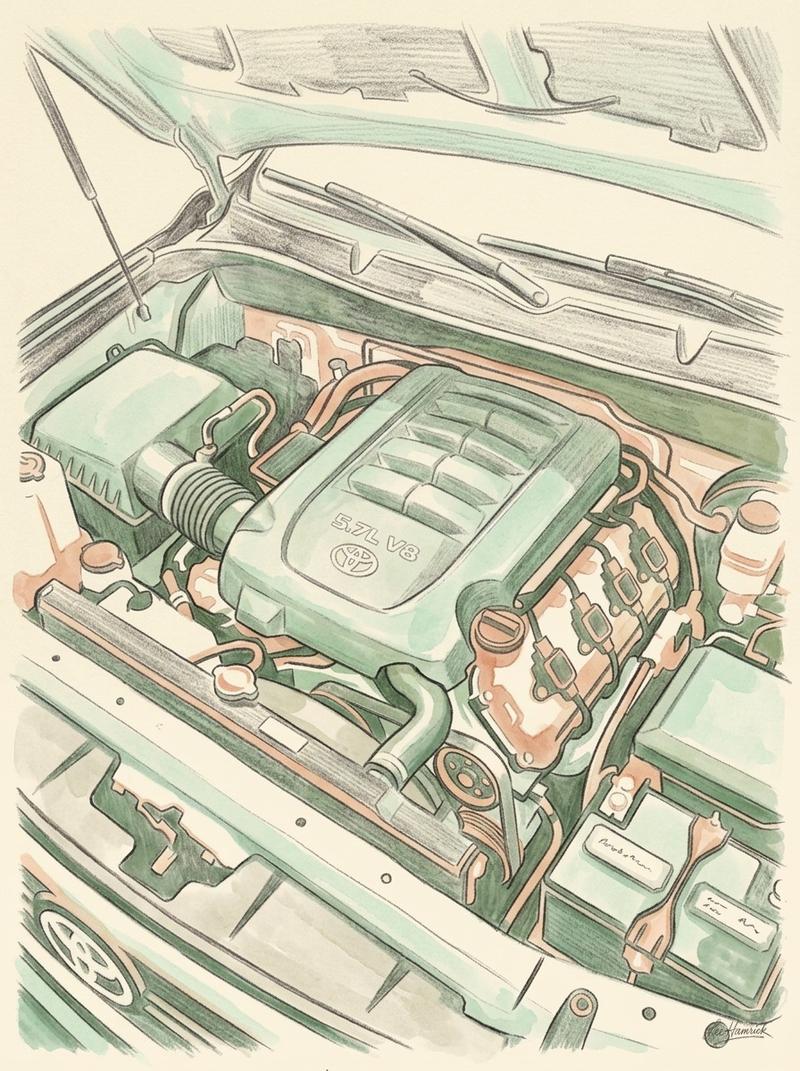
Chris grabbed a 2012 Toyota Tundra. Cory went with a 2018 RAM 1500. Both trucks are black, both are running 5.7-liter V8s, and both were bought specifically to be worked on, pushed hard, and eventually pointed at terrain that would humble most stock rigs. The stated goal is rocky trails, desert runs, and backcountry adventures, with a longer-term target that is hard not to respect: go up against a Ford Raptor and see what happens.
That last part matters more than it might seem. The Raptor exists in a lane where the factory already did most of the work and charged you accordingly. Taking a pair of trucks bought on a real-world budget and building them toward that benchmark is not just a good content premise. It is a genuinely interesting engineering problem, and it puts the builds under a pressure that a garage hobby project never quite has.
The Tundra and the RAM make for an honest contrast in approach. The 2012 Tundra is a proven platform with a loyal following in the off-road world, known for a robust powertrain and straightforward mechanicals. It is the kind of truck that has been wheeled hard for years and still shows up to work on Monday. The 2018 RAM 1500 is a different animal: a more modern chassis, a more comfort-forward design philosophy from the factory, and a platform that carries more technology to work around. Neither choice is wrong. They just ask different questions of the builder.
What both trucks share, beyond the matching displacement and the color, is the reality that the 5.7-liter V8 is a starting point worth building from. There is a reason that engine shows up across so many serious builds. It is not exotic, and that is exactly the point. When something breaks on a trail two hours from a paved road, you want a drivetrain with a parts ecosystem, not a specialty order. If you want to understand what makes a build like this work on a tight budget, our track car buyer's guide covers the same kind of honest prioritization thinking, even if the terrain is different.
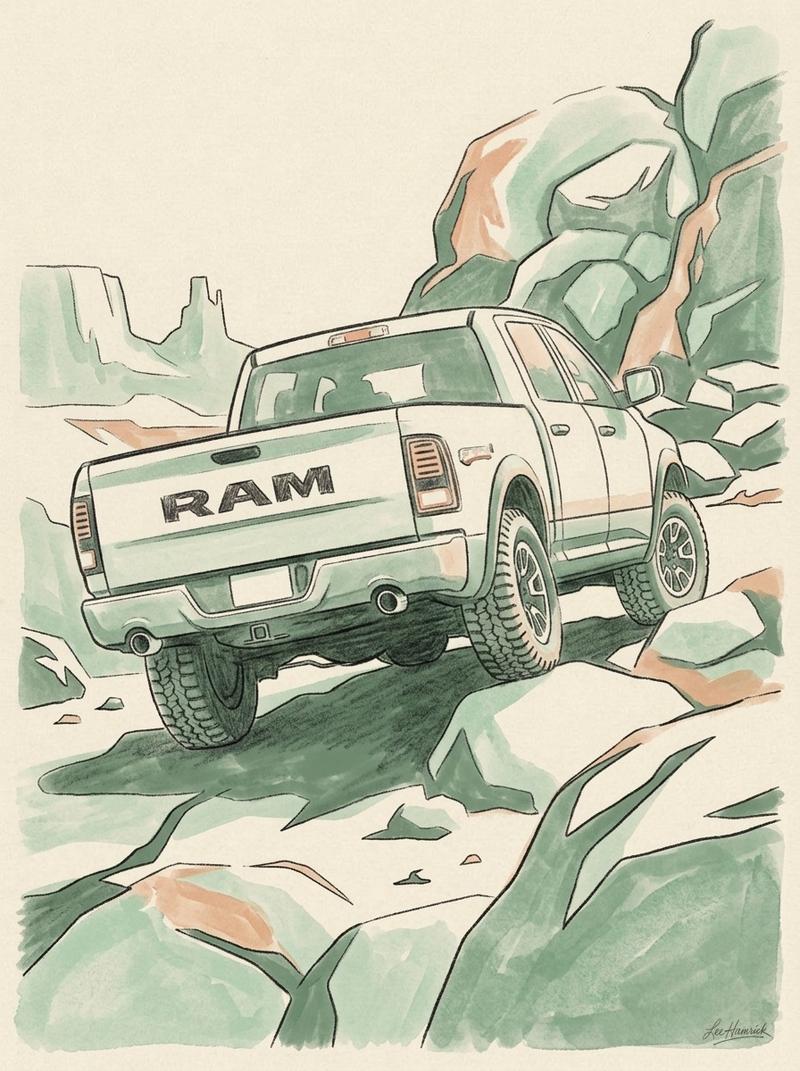
The $7,500 budget constraint is where this series gets interesting to think through. That number forces real decisions. You cannot solve every problem with money, so you have to decide what the truck actually needs versus what would be nice to have. Suspension gets prioritized over aesthetics. Function earns its place before form. Those are the builds worth watching, because the reasoning behind every choice gets tested the moment the terrain gets rough.
There is also something worth saying about the fact that these trucks are dailies. A build that only ever sees a trailer to the trailhead and a garage the rest of the week is a different kind of project than one that has to survive school pickups, grocery runs, and a highway commute before it tackles anything off-pavement. The compromises you make are real, and so are the consequences if you get them wrong. That keeps the series honest in a way that a dedicated trail-only rig never quite has to be.
The Raptor comparison will be the real stress test when it comes. The Raptor is not just a fast truck. It is a truck engineered from the ground up around high-speed desert running and technical terrain, with factory suspension geometry and hardware that took genuine development time to produce. Matching that capability out of a used truck and a parts budget is not a given. It might not happen. But trying to close that gap with real money constraints and real mechanical reasoning is exactly the kind of challenge that produces builds worth following. For a sense of what pushing a vehicle hard in demanding terrain actually reveals, our Ineos Grenadier Moab test gets into exactly that kind of honest reckoning.
Two trucks. Two builders. A budget that forces honest priorities. That is enough of a foundation to build something genuinely worth watching.
Written by
Nick Mangino