720 Horsepower, All Motor, Street Legal: Efrain Diaz's 'Poledancer' 1969 Camaro

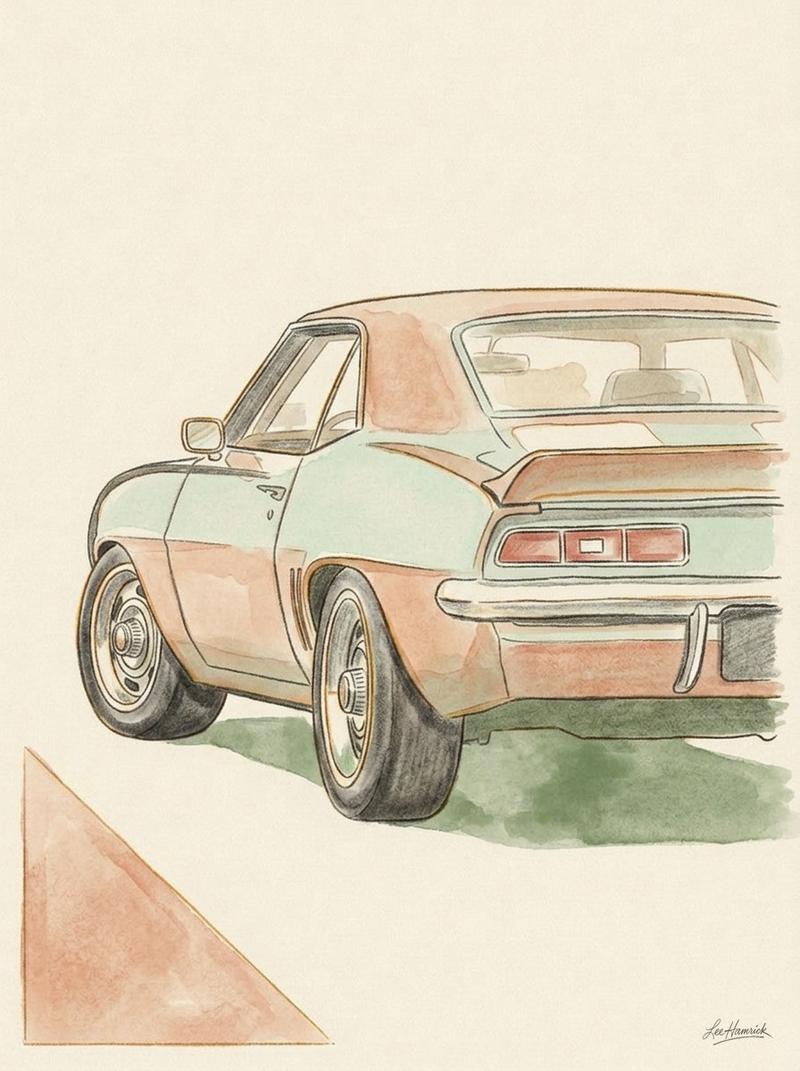
Efrain Diaz's 1969 Camaro 'Poledancer' runs 720+ hp from a naturally aspirated LS, built for autocross, road courses, and the street.
720 horsepower. No boost. No nitrous. One 1969 Camaro that started life as a rough swap meet find in Pomona.
That is the starting point for Efrain Diaz's pro-touring build, which goes by the name Poledancer. It competes in autocross, road courses, and time trials. It is also street legal. Those two facts sit in tension, and that tension is the interesting part.
Where It Started
Diaz bought the car at the Pomona Swap Meet. Condition at purchase: rough. That is the only honest way to describe a project car acquired at a swap meet, and Diaz does not appear to be the type to oversell it.
What he did with it from that starting point is the relevant data.
The Engine
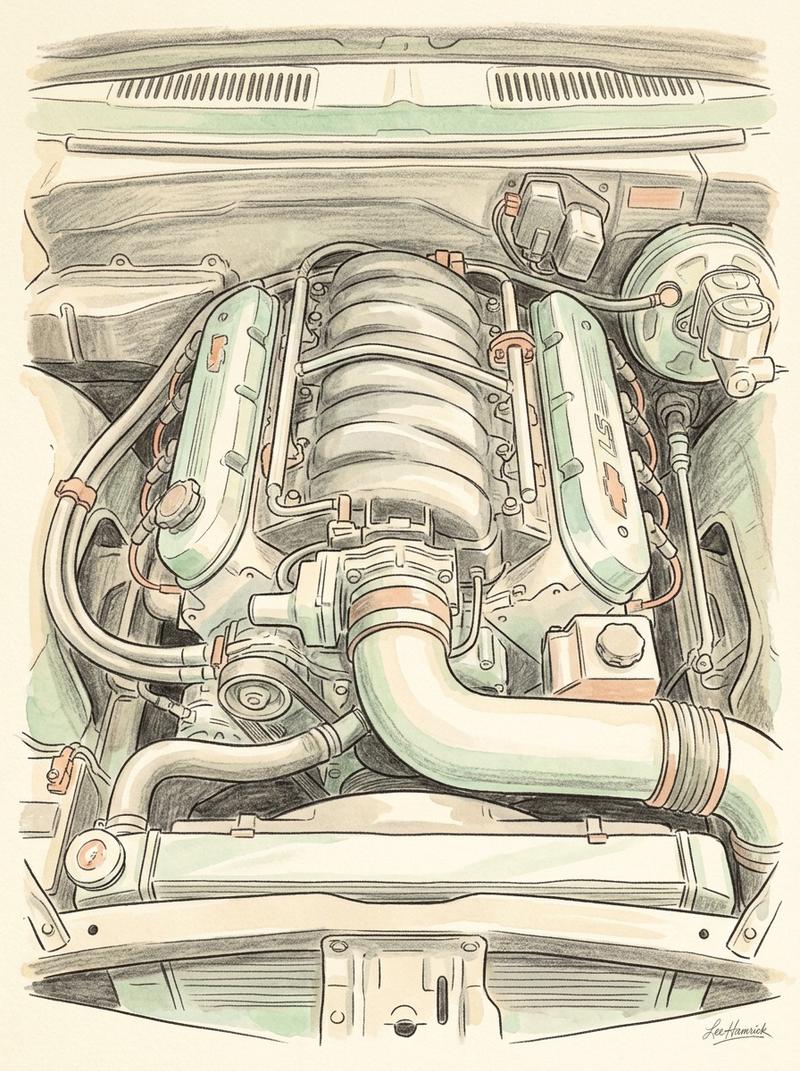
The heart of Poledancer is an LS-platform engine built by EVOD Garage in Escondido, CA, producing over 720 horsepower at the wheels by Diaz's account. Naturally aspirated. That figure is worth sitting with for a moment.
For context: a stock C8 Corvette Z06 uses a flat-plane crank 5.5-liter V8 to make 670 horsepower. It is widely regarded as an exceptional naturally aspirated engine. Poledancer's LS makes more than that, in a car that weighs considerably less, without a supercharger or turbo attached to it.
Getting there on an LS-family engine without forced induction requires serious displacement, aggressive cam timing, a well-matched intake and exhaust, and cylinder head work that is not cheap or simple. The Scoggin Dickey connection matters here. They are a known quantity in the LS performance world, not a backyard operation. The tolerances on a build like this are worth noting, because at 720 horsepower naturally aspirated, margin for error in the valvetrain or bottom end is essentially zero.
Diaz runs this engine on the street. Regularly. That is either impressive or inadvisable depending on your mechanical sympathy for high-compression naturally aspirated motors in traffic. Probably both.
What Pro-Touring Actually Means Here
Pro-touring as a genre gets diluted. Sometimes it means a restomod with a big stereo and billet everything. That is not what this is.
Poledancer competes. Road courses. Autocross. Time trials. Those three disciplines put different loads on a chassis and ask different things from a suspension setup. Road courses reward balance and predictability over full-lap distances. Autocross rewards rotation, responsiveness, and point-and-shoot front end behavior. Time trials sit somewhere between the two.
Building one car that is genuinely competitive across all three is an engineering problem, not a styling problem. The fact that Poledancer has results across those formats suggests Diaz and whoever is doing his chassis work solved it correctly, or at least well enough to win.
A 1969 Camaro's factory structure is not the starting point you would choose if you were designing a track car from scratch. The stock subframe geometry, the body rigidity, the brake architecture, none of it was designed for the loads a 720-horsepower pro-touring build generates at the limit. The transformation from swap meet project to race-winning track machine required rebuilding nearly every system that matters dynamically.
Street Legal, Which Is Not a Small Thing
Maintaining street drivability on a build at this power level takes deliberate compromise in places. Cam profiles aggressive enough to produce 720 naturally aspirated horsepower do not produce tractable low-rpm behavior. Suspension tuned for autocross turn-in can make a car miserable on surface streets. Cooling systems sized for sustained track use add weight and complexity.
Diaz kept comfort features in the car. He runs it on the street. That means he accepted some tradeoffs somewhere in the performance envelope to get there, or he managed to minimize them, which would be the more impressive outcome. What those specific tradeoffs are in measurable terms is where the real engineering story lives.
The Build Philosophy
There is a version of this project that exists purely for show. Matching engine bay, trailer queen, shown at SEMA, never turned a lap under competitive conditions. That version is common.
Poledancer is not that. Starting from a rough swap meet car and ending up at 720 horsepower and actual podiums requires a specific kind of patience and mechanical clarity. Diaz appears to have both.
The nickname is his business. The lap times are the record that matters.
What This Build Represents
Pro-touring as a category has produced a lot of beautiful cars with questionable dynamics. The cars that are both fast and correctly built are a shorter list.
A 1969 Camaro with 720 naturally aspirated horsepower, genuine road course and autocross results, and functional street manners occupies a specific and legitimate position on that list. The combination is not easy to achieve. Most builds compromise one of those three criteria significantly to chase the other two.
Whether Poledancer has fully solved all three or made intelligent tradeoffs between them is a question worth asking at the next event where it shows up on the timing sheets.
The engine alone is worth the conversation. Everything else built around it earns it.

Written by
Tom Kubo