Detailing on a Budget: The Gear That Actually Works and the Hype You Can Skip

A practical guide to essential car detailing tools for home owners, plus honest warnings about starting a detailing business without real experience.
The detailing rabbit hole is real. Spend five minutes on a forum and someone's trying to sell you a $300 foam cannon, a ceramic coating kit that requires a PhD to apply, and a pressure washer with enough PSI to strip paint. Most of it is nonsense. If you just want to keep your car clean without spending a small fortune or destroying the finish, the list is mercifully short.
Start with a rinseless wash system. Optimum No Rinse is the benchmark everyone agrees on, and there's a reason: it works, it's cheap, and it doesn't require a water connection or driveway setup. Grab a couple of wash buckets, two or three microfiber towels, and a spray bottle. That's the foundation. Add a decent tire cleaner and an interior vacuum if you care about the inside. Everything else is optional until you actually identify a specific problem on your car.
The products that show up everywhere on YouTube, the ones with the aggressive marketing and celebrity sponsorships, are usually there because the margins are huge, not because they're better. Chemical Guys built an empire on videos and social media, but shops and serious enthusiasts routinely dismiss their stuff as overpriced and inconsistent. Brands like Meguiars, CarPro, 3D, and P&S get respect because they deliver results without the theater. Buy what works, not what's loudest.
What Not to Do
A few things will legitimately wreck your paint, and they're worth knowing even if you never plan to detail seriously. Don't wet sand at home. Don't use Magic Erasers on clearcoat, no matter what someone on the internet told you. Don't work in direct sun or high heat, because the products dry before they're supposed to and you'll end up with streaks and haze that take hours to correct. Don't use microfiber cloths until they're clean, either. Embedded dirt particles turn any cloth into sandpaper.
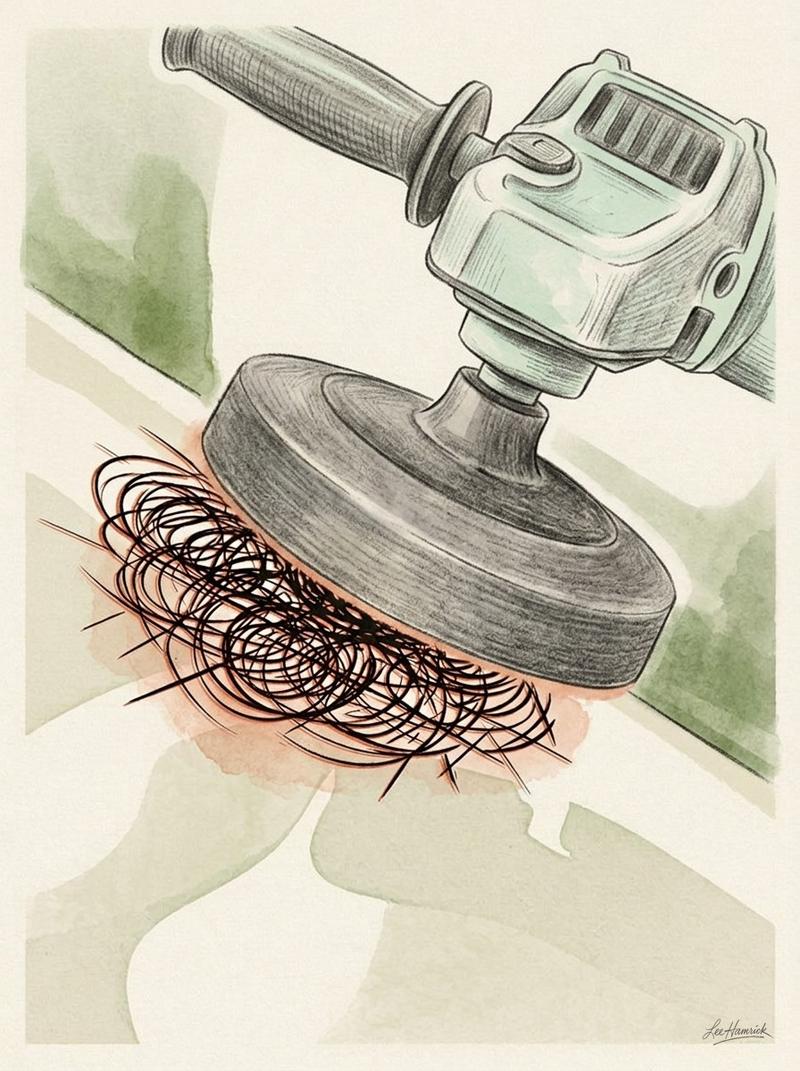
Most important: go slow. The detailing community's strongest consensus is that speed creates problems. A shop rushing a job will miss contaminants, cut too hard with the polisher, or skip steps that matter. If you're doing it yourself, you have the luxury of doing it right because you're the one who has to look at the result every day.
The Business Side is Different
If someone tells you they want to start a detailing business, the answer from anyone with real experience is usually blunt: don't. Not yet. The difference between maintaining your own car and being responsible for someone else's paint is the difference between cooking at home and working in a professional kitchen. One mistake on a customer's car costs money, reputation, and potentially a lawsuit.
Experienced detailers consistently recommend learning the craft in a detail shop first. Spend a year or two working under someone who already knows how to handle different paint types, ceramic coatings, and the liability that comes with high-end vehicles. See how a professional runs the business side, prices the work, manages difficult customers, and handles the actual cost of supplies versus what people will pay.
The pricing trap is real. Undercutting the market to get started attracts customers who are price-focused above all else, which means they're the first to complain, the hardest to satisfy, and the least likely to tip or refer you. It also means you're working for less than minimum wage after accounting for product costs and liability. Every shop owner who's been in the game for more than a couple of years has stories about the year they competed on price and learned why that doesn't work.
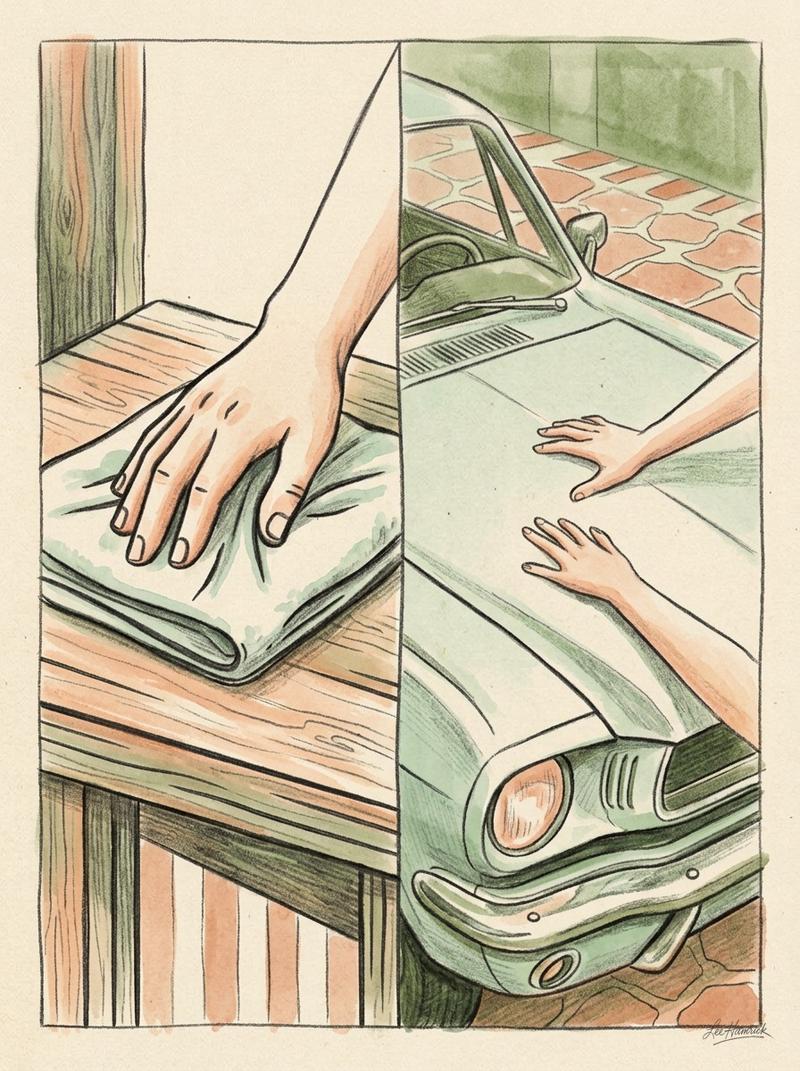
The skill gap is real in ways that aren't obvious until you're facing it. Knowing how to detail your own truck is not the same as knowing how to approach a black Mercedes with clear coat that's already starting to show swirl marks. Different paints require different approaches. Some cars need paint correction first, some just need protection. Some finishes are fragile enough that you can't use certain tools without risking permanent damage. That's the stuff you learn by doing it wrong a few times in a controlled environment, not by taking someone's money and finding out on the job.
For people who just want to keep their own car looking decent, the whole thing is simpler. Buy the basics, follow the steps in order, don't rush, and accept that if something goes wrong, you own the consequences. That's actually freeing because you can experiment without customer expectations breathing down your neck. But if you're thinking about making a business out of it, respect the craft enough to learn it properly first. The difference between a hobbyist and a professional isn't the products, it's the hours of learning what those products can and can't do.