The Vehicross V8 Swap Makes Actual Sense

Why a Lexus V8-swapped Isuzu Vehicross with a manual transmission works as both a driver's car and practical oddball.
The Isuzu Vehicross was an awkward car when it arrived in 1999. Wedge-shaped. Overstyled. Powered by a 215-horsepower 3.5-liter V6 that felt adequate the way a hotel room is adequate. It sold for three years, then vanished. The internet spent twenty years arguing about whether it was ahead of its time or just poorly executed.
Neither. It was a capable platform with the wrong engine.
Someone has fixed that. A 1-Series Vehicross now wears a 4.3-liter Lexus V8 from a 1996 LS400. The swap is complete. The transmission is a five-speed manual. The tires are 35-inch muds. This is not a restoration fantasy or an Instagram build. This is a coherent argument about what the Vehicross should have been.
What the V8 Changes
The original engine made 215 horsepower at 5,400 RPM. That power arrived late and stayed brief. The Vehicross felt like it was perpetually apologizing for its own weight.
A 1996 LS400 V8 makes 290 horsepower. More importantly, it makes 300 foot-pounds of torque at 4,000 RPM. That torque plateau matters. In a 3,850-pound vehicle, it creates actual momentum from a roll. The engine is old enough that it has no direct injection, no variable valve timing complexity, no software locks. It breathes like an engine from when engines were transparent machines. It breaks predictably. Parts cost seventy dollars.
The V8 doesn't transform the Vehicross into something it was not. It completes it. The original carried the proportions of an off-road vehicle but lacked the low-end response to make its height and mass feel controlled. The V8 gives the chassis what it asked for.
Why Manual
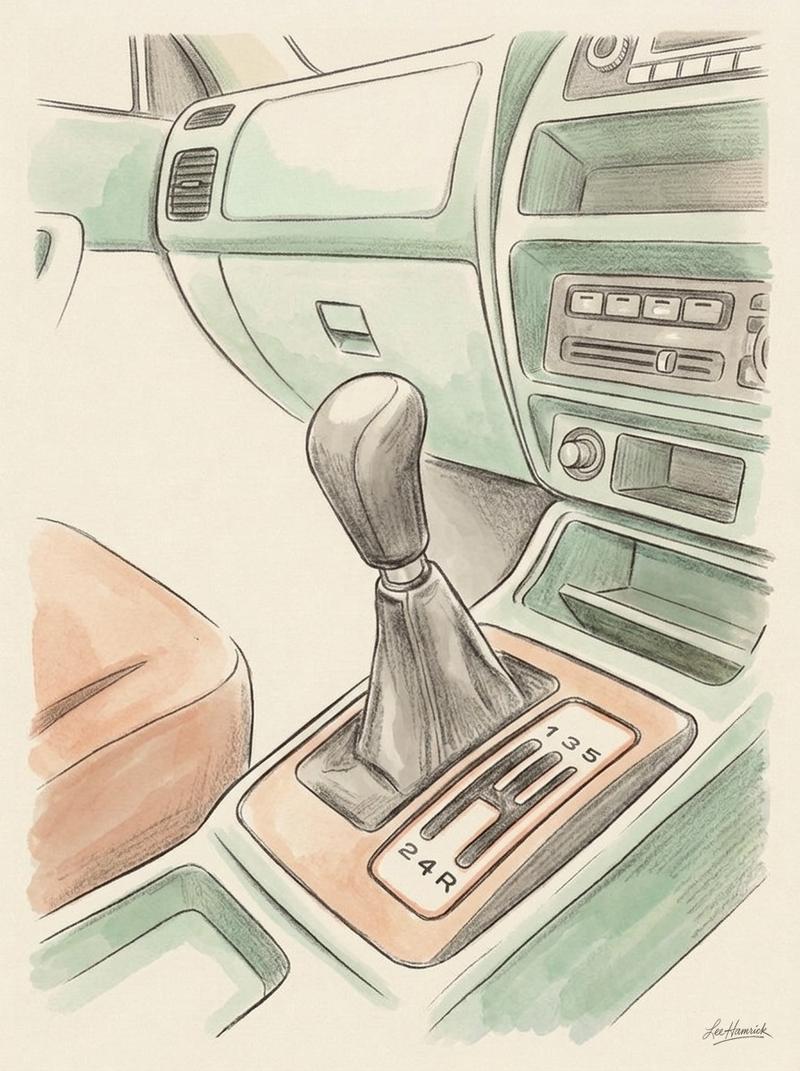
A five-speed manual paired to a 290-horsepower engine in a 3,850-pound box is not optimal on paper. It is efficient in practice. At highway speed, the engine idles around 2,000 RPM. The gearing is close enough that you can downshift into the torque band without hitting 5,000. The steering is hydraulic and slow. The brakes are ABS-equipped. This is not a car you drive like it owns the road. It is a car you drive like you own the car.
Manual transmissions reward precision in vehicles built before electronics solved precision for you. The Vehicross has no stability control, no traction management, no torque vectoring. It has you. The five-speed teaches you what the chassis is doing because the chassis tells you directly through the shifter.
A five-speed also means five decisions per drive. Third gear pulls to 75 miles per hour. Fourth holds highway speeds. Fifth is an overdrive that exists to stretch range and lower engine noise. The simplicity is not a limitation. It is the entire point. The manual transmission's resurgence is no accident.
The Tires Tell the Real Story
35-inch all-terrain tires cost roughly two thousand dollars for a set. They rotate slowly. They reduce fuel economy. They increase rollover risk. They are also the detail that explains why this build matters.
The Vehicross arrived at the moment when SUVs were becoming lifestyle appliances. Buyers wanted to look capable without being capable. The market rewarded this. Lexus sold three hundred thousand RX models in the years the Vehicross sold thirty thousand units.
This particular Vehicross is not a lifestyle appliance. Someone mounted 35-inch tires, bolted a real engine underneath, and kept the transmission physical and honest. They spent genuine money on something that provides no social media benefit. That is taste. Taste is rare.
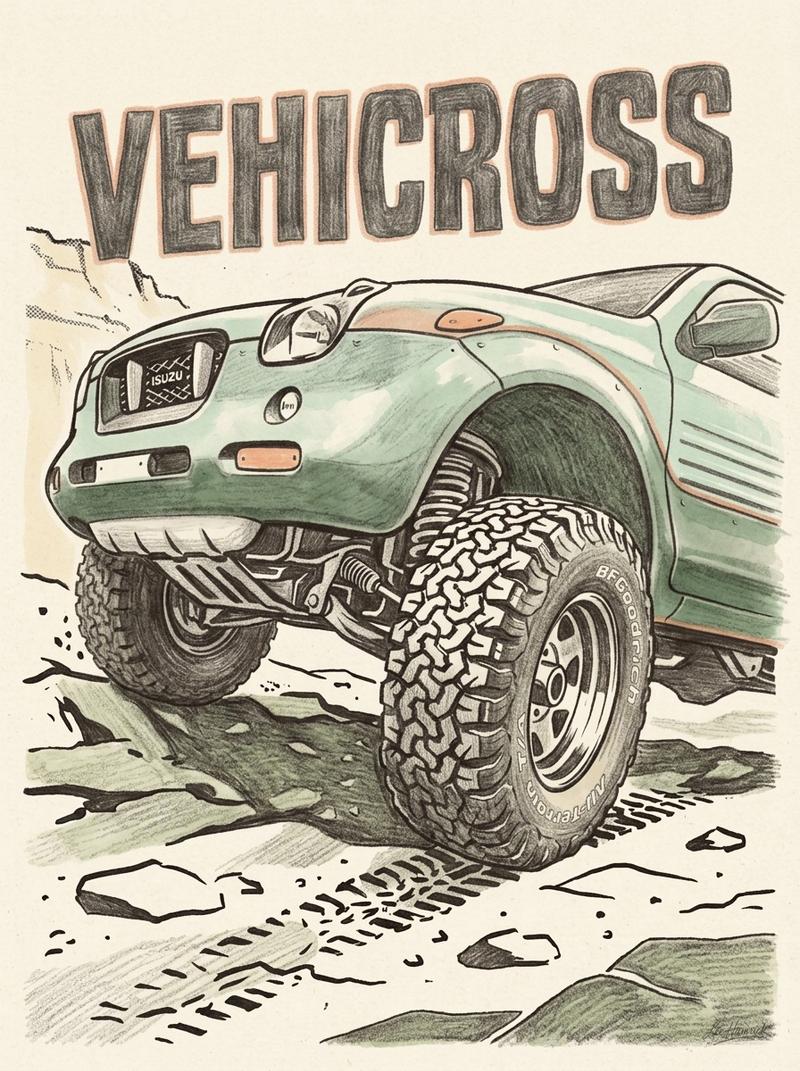
The tolerances here are worth noting. A 35-inch tire on a Vehicross is not minimal. It fills the wheelwell. The suspension was never designed for that load. The gearing was never calibrated for that rolling diameter. The owner did this anyway, which means they understand their own vehicle well enough to accept consequences.
The Math Works
The V8 swap cost an estimated four thousand dollars in parts and labor. The manual transmission sourcing and installation ran another two thousand. The wheel and tire package was two thousand. Total additional investment: eight thousand dollars.
A comparable modern truck, newly purchased, costs thirty-five thousand. It has a touchscreen, Wi-Fi, and sixteen billion sensors. It will be obsolete in seven years. This Vehicross will still run exactly how it runs right now. An engine from 1996 with no computers that matter will outlast your patience to drive it.
You do not buy this car because it is practical. You buy it because you understand the difference between practical and coherent. A Volkswagen Jetta is practical. A practical car with a V8 and a stick shift is coherent. It knows what it is. No excuses. No apology. No touchscreen explaining why you made bad choices.
This Is Not a Trend
The enthusiast vehicle market is fractured. Some people want maximum speed. Some want maximum comfort. Some want maximum social signaling. This Vehicross wants none of these things. It wants to work.
Work is not trendy. Trends are designed to be replaced. A 1996 Lexus V8 will not be replaced. It will still be in this Vehicross in thirty years, turning over the same way it turned over today, asking nothing but maintenance intervals and quality oil.
That is what the Vehicross needed. Not a second chance. Not a restoration tour. An engine that took its job seriously. Someone provided that. The result is not beautiful. It is correct.

Written by
Tom Kubo