Want Faster Lap Times? Try Leaving Traction Control On

Modern traction control systems like GM's PTM may actually make you faster on track. Here's why turning it off isn't always the move.
There's a ritual. You know the one. You get strapped in, you find neutral, you fire the engine, and then your hand goes straight for that traction control button like it owes you something. Off. Obviously off. Because that's what you do when you're serious.
I've done it. I've watched everyone around me do it at track days. It has the feel of a secret handshake, a signal that you understand how things work. Traction control is for commuters and liability lawyers. Real driving means feeling the limit yourself and reacting to it. Right?
Here's where I have to set my ego aside, because the data doesn't agree with me.
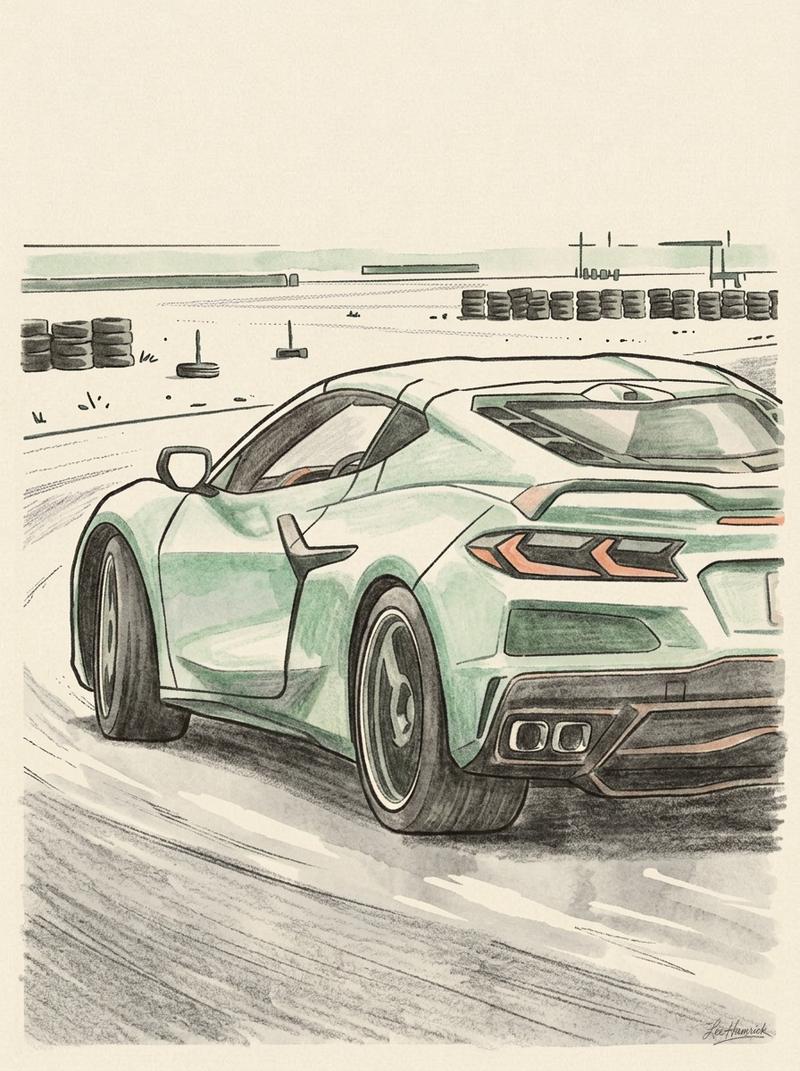
Nik Romano, a racing driver and high-performance driving instructor working with The Drive, recently took a 2026 Chevrolet Corvette C8 to Buttonwillow Raceway in California to answer this exact question. Not in theory. Not in a simulator. On track, in real conditions, with real lap times. He cycled through every mode in the Corvette's Performance Traction Management system, which GM calls PTM, from Touring all the way up through Dry, Sport, and the various Race levels, and then finally Pro, which is the full-off, you're-on-your-own setting. He recorded lap times at different tire temperatures and surface conditions to keep the comparison honest.
The fastest laps didn't come in Pro mode. They came in Race 2. And it wasn't close.
I want to sit with that for a second, because it cuts against something I've believed for years. The idea that turning everything off is how you access the car's real potential, that electronic intervention is just training wheels, feels very true right up until someone with actual coaching credentials shows you the lap times.
The reason it works comes down to what these systems are actually doing now versus what traction control used to mean. The old approach was blunt: wheel spin detected, throttle cut. It worked well enough that racing series started banning it decades ago, because even that crude version was giving drivers a meaningful advantage. But the systems in today's performance cars are doing something fundamentally different. PTM pulls data from sensors monitoring pitch and yaw, the car's forward-and-rear dive and its side-to-side rotation, and uses that information to anticipate what the car is about to do before it actually does it. It integrates with the suspension, in this case Magnetic Ride Control, and with the transmission. It isn't reacting to a mistake. It's trying to prevent the conditions that create the mistake in the first place.
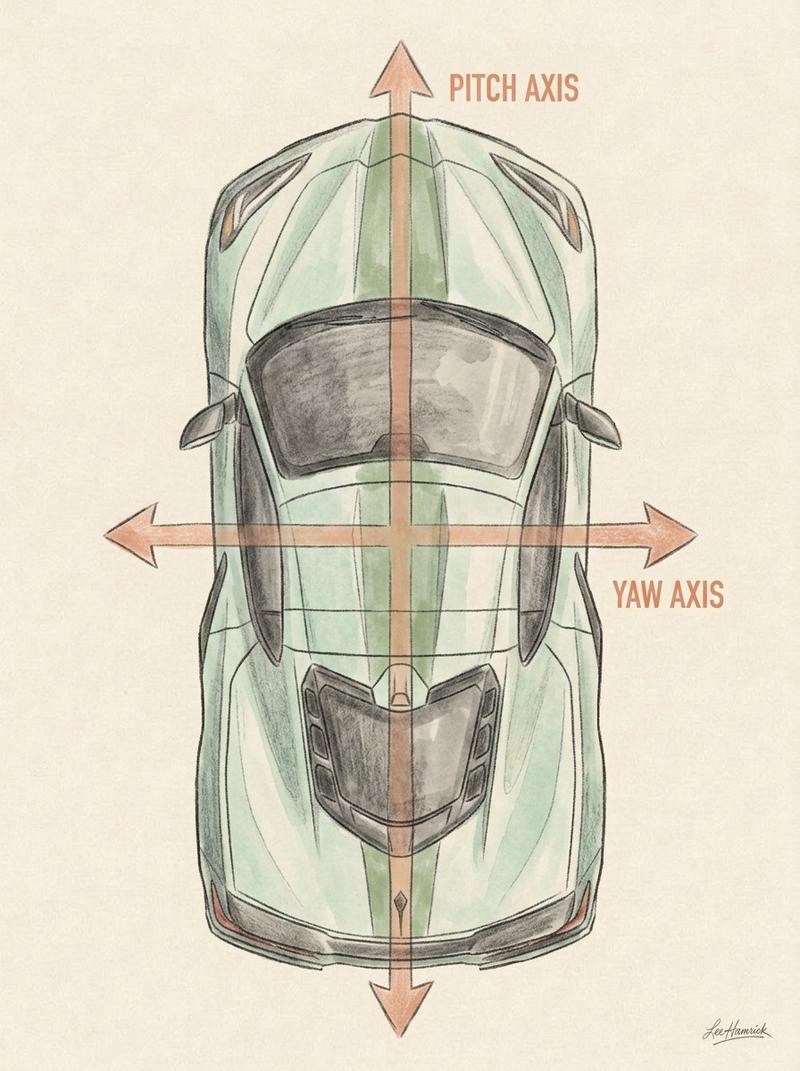
Weight transfer is where lap times live. Anyone who has spent real time on track knows that the fast drivers aren't necessarily the ones with the most courage at corner entry. They're the ones who are smoothest through the weight transitions, who can carry speed because the car stays balanced rather than lurching. PTM, at its best, is doing some of that work. Not instead of the driver. With the driver. The data from Romano's day at Buttonwillow showed not just faster times in Race 2, but smoother inputs. The system was helping him be a better version of what he was already doing.
This is where I have to be honest about the gap in my own experience. I'm not a trained driver. I tag along to track days, I've done some HPDEs, and I know enough to know what I don't know. So when someone with Romano's credentials shows me that the fastest lap came with some level of electronic safety net still engaged, I'm not going to argue credentials I don't have. The tingle I get from a car doesn't come from the absence of software. It comes from the feeling of everything working together, driver and machine, in a way that produces something neither could do alone.
And that's actually the more interesting point here. For a long time, turning the systems off felt like the purist move, the way to get the unfiltered car. But what if modern traction control, done well, is itself part of what the car is? The C8 Corvette wasn't engineered with PTM as an afterthought bolted on for insurance purposes. It's baked into how the car performs. Stripping it out in Pro mode isn't getting you more car. It might just be getting you more chaos to manage.
That doesn't mean Pro mode is worthless. For a driver at Romano's level, there are probably conditions and scenarios where full control is the right call. The point isn't that the system is always better than the driver. The point is that for most people on most days, the assumption that off equals fast is doing them real harm in the lap time column.
What I'm taking away from this is simpler than the technology behind it. The ritual of switching everything off before a session carries a kind of theater that I've been buying into without questioning. Ego, mostly. The feeling of doing the serious thing. But loving this hobby, and getting faster in it, means being willing to look stupid in service of the truth. Race 2 was faster. I'll try Race 2.
Written by
Lyndsay Reynolds