Why a Corvair Is the Perfect Baja Racer (And Why We're Building Two of Them)
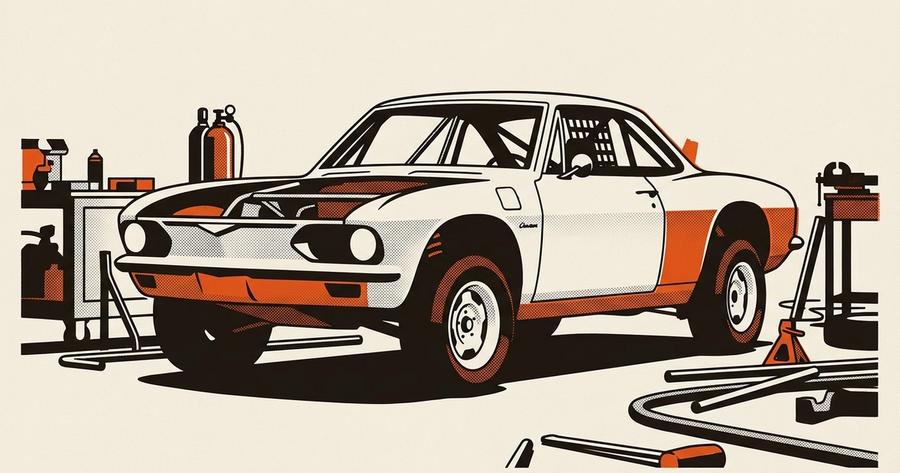
Building a Corvair-based Baja racer is equal parts insanity and genius. Here's why the rear-engine layout makes more sense off-road than you'd expect.
The first question anybody asks when you mention a Corvair Baja build is some version of "why." Not "how" or "when" or "where are you racing it." Just a flat, bewildered "why." And honestly, that reaction is part of the appeal. If you've ever been deep in a project that makes complete sense in your head and zero sense to everyone standing in your garage, you already understand the assignment.
The Sweet Caroline build started as a father-and-kid dream project, the kind of thing that gets sketched on napkins for years before anyone actually pulls a donor car. The goal: take a Chevrolet Corvair, the most misunderstood American car of the 1960s, and turn it into a legitimate Baja-style off-road racer. Then build a second one, because apparently once the spreadsheet is open, doubling the madness only costs you incrementally more sanity.
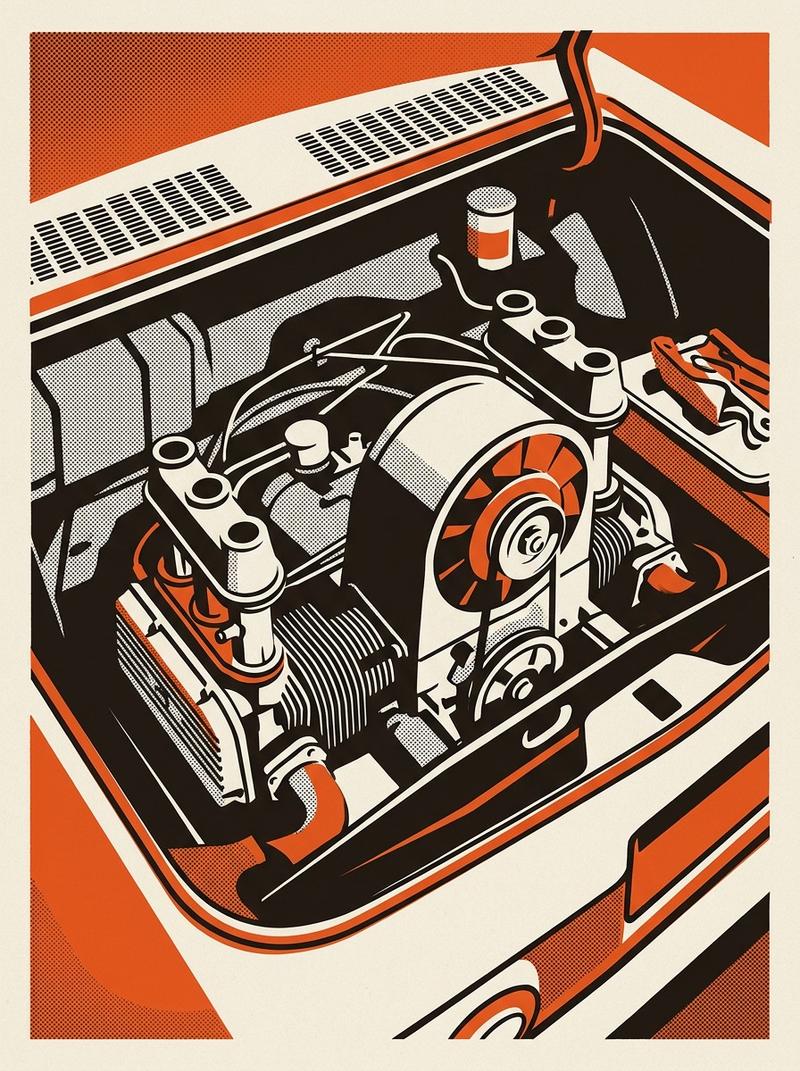
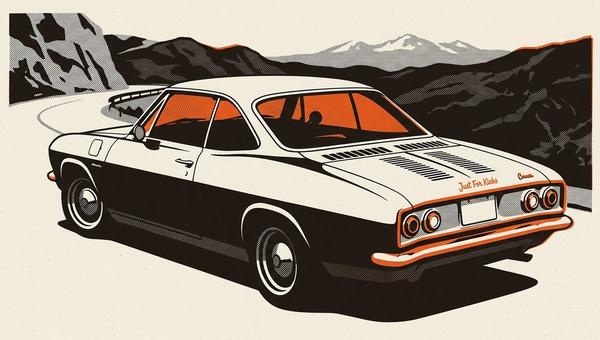
On paper, the Corvair seems like a strange choice for desert racing. It was a compact economy car, air-cooled, rear-engined, and famously controversial. Ralph Nader criticized its early handling. But here's the thing: the traits that made the Corvair polarizing on the street are exactly what make it interesting as an off-road platform. The rear-mounted flat-six puts weight over the rear wheels. In a vehicle that needs traction leaving a silt bed or climbing out of a ravine, that rear weight bias is not a liability. It's a feature you'd otherwise have to engineer in.
Compare that to the usual approach. Most Baja-style builds start with a front-engine platform and spend considerable effort and money moving ballast rearward, adjusting suspension geometry to compensate, and then tuning out understeer introduced by all that nose weight. The Corvair starts closer to the geometry you actually want. You're not fighting the platform; you're working with it.
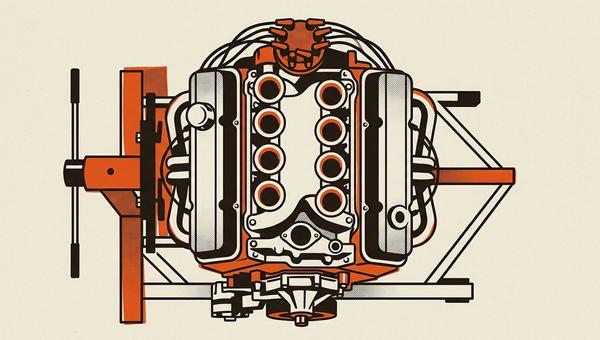
The air-cooled engine is another practical win in the desert. Radiators, coolant lines, and water pumps are failure points. Remove them from the equation entirely and you simplify the powertrain reliability picture in an environment where overheating is a constant threat. Air-cooled motors run hot by design, and they're built to tolerate it. That's not nothing when you're two hours into a stage and the temperature gauge on a liquid-cooled car would be having a conversation you don't want to have.
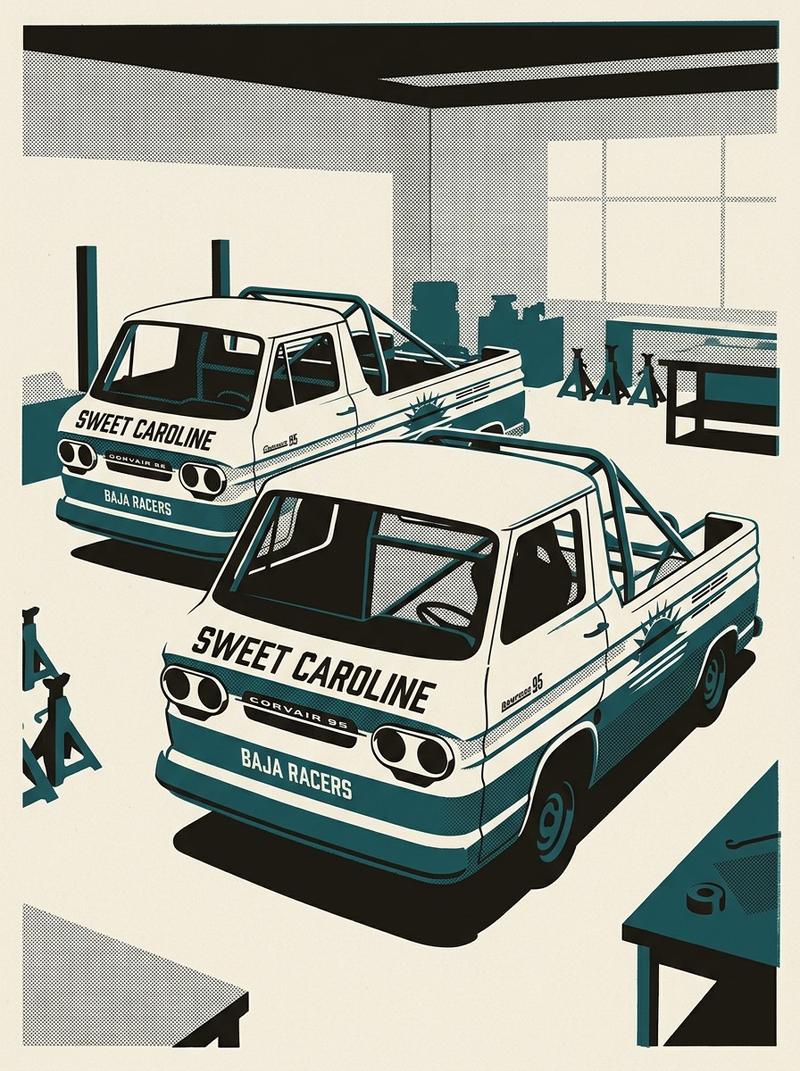
The Corvair's unibody structure does require meaningful fabrication work to become a proper off-road car. You're not dropping a body shell onto a prebuilt tube chassis here. The build involves constructing a cage, reinforcing the floor, and reworking suspension pickup points to accept longer-travel components capable of handling the abuse. That's real work, and it's not a weekend project. The Sweet Caroline builds have been months in the making for exactly that reason.
But the fabrication starting point is actually less daunting than it sounds. The Corvair is compact, which keeps the cage dimensions manageable. The rear-engine layout frees up the front of the car for suspension travel and skid-plate clearance without fighting an engine and transmission sitting where you need geometry to live. And because the car is so light relative to most off-road platforms, the final build weight stays competitive without heroic measures.
There's also a community angle worth acknowledging. Baja-style racing has a long tradition of creative donor cars, and the Corvair has actually seen desert racing use before, though it remains rare enough that running one is a statement. At an event where every third car is a Volkswagen-based buggy or a Prerunner truck, showing up in something that was once parked in a suburban driveway in 1964 earns you a specific kind of credibility. The kind that comes from doing something because it's genuinely interesting, not because it's the obvious move.
Building two simultaneously is where the project gets logistically ambitious. Duplicate builds mean every fabrication template gets used twice, which saves time on the second car but doubles material costs and demands serious organization. The milestone moments hit differently when you're chasing progress on two builds at once, because a good day on car one doesn't automatically mean car two followed. It requires a build process disciplined enough to run in parallel, and that discipline tends to surface problems on both cars faster than a single-vehicle project would.
The "dream racecar" framing matters here. This isn't a spec-class budget build or a cynical attempt to find a loophole in a rulebook. It's a legitimate passion project driven by someone's specific vision of what off-road racing should feel like. That kind of motivation tends to produce better builds than pure optimization does, because no amount of engineering rigor substitutes for caring deeply about what you're making.
Whether the Sweet Caroline Corvairs end up being competitive against more conventional machinery is almost beside the point at this stage. The more interesting question is whether the platform holds up to the design intent, and whether the rear-engine, air-cooled logic that sounds good in a garage actually translates to real desert performance. That answer is coming, and it's the kind of answer you can only get by actually running the thing. If the Corvair GM should have built ever existed, it might have looked something like this.
Sometimes the best reason to build a car is that nobody else is building one quite like it.

Written by
Tabitha Corman