The Mazdaspeed AZ-1 Is the Rarest Japanese Driver's Car You Can Actually Buy

A 150-unit Mazdaspeed kei car with gullwing doors costs less than a new Miata. Here's why it matters to drivers.
There are exactly 150 Mazdaspeed AZ-1s in existence. That number sits somewhere between "barely made" and "obsessively collectible," in that gray zone where rarity stops being a parlor trick and becomes a genuine automotive artifact. When one lands on the market for less than a new Miata, the math feels almost wrong.
The AZ-1 itself deserves context. Mazda built this kei-class roadster from 1992 to 1995, a response to the Suzuki Cappuccino and the broader Japanese enthusiasm for tiny, lightweight sports cars that the rest of the world either didn't understand or couldn't fit into their regulations. The gullwing doors weren't there for show. They solved a real problem: parking a 126-inch wheelbase car in Tokyo without losing your mind. Close them vertically, and the AZ-1 becomes geometrically easier to tuck into spaces that would swallow a Miata whole.
Then Mazdaspeed stepped in. Mazdaspeed wasn't the tuning company it would become; in 1995, it was Mazda's performance division, focused on racing and limited road cars. They took the AZ-1 platform and applied what they knew: a turbocharged F6A engine, upgraded suspension, interior refinement, and the kind of attention to detail that separates a special edition from a collector's piece. Only 150 were built before Mazda stopped making them entirely.
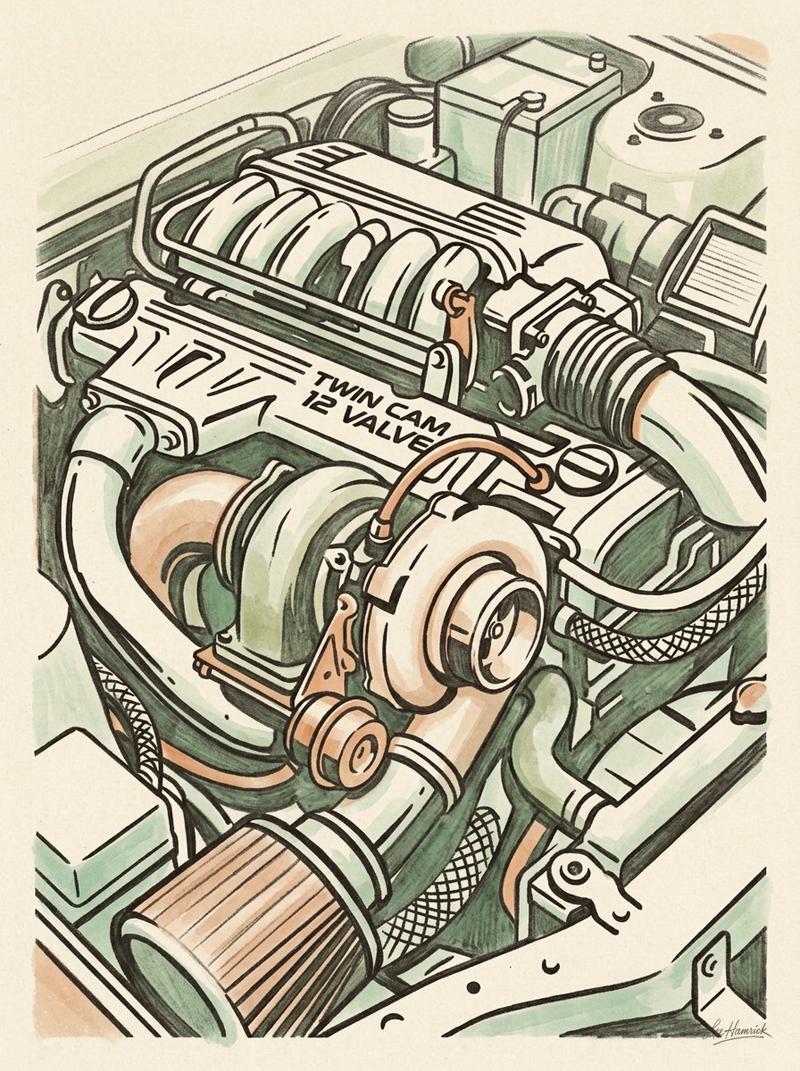
Driving a kei car teaches you something important about automotive engineering that bigger, cheaper cars can't. Weight matters. A lot. The AZ-1 weighs 1,650 pounds in standard form, maybe a touch more with the Mazdaspeed gear. That's not theoretical lightweight anymore; it's physics you feel immediately. The turbocharged F6A makes 63 horsepower, which sounds like a joke until you do the math per pound. This car has power-to-weight that would make a Miata driver take notes.
What strikes you in a car this size isn't acceleration or top speed (the AZ-1 maxes out around 100 mph). It's responsiveness. The steering is direct because there's nothing between you and the front tires but a few inches of column. The brake feel is immediate because there's almost no car to stop. Autocross this thing on a tight course, and it becomes clear why the Japanese fell in love with kei cars in the first place. They're not scaled-down versions of real cars. They're distilled versions of what driving actually is.
The gullwing doors are the obvious visual signature, but they're also functional design, not theater. They change how you enter the car, change how you perceive the cabin space, change the whole interaction between driver and machine. In a car this small, perception and physics are nearly the same thing.
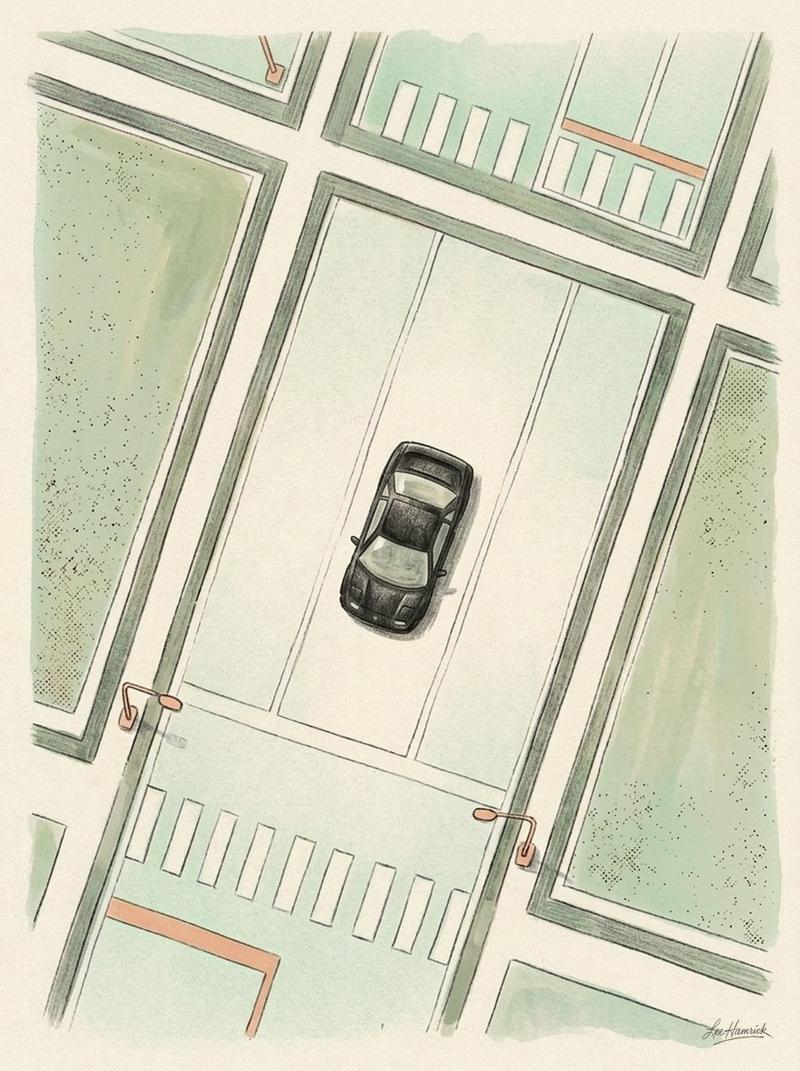
Here's the honest part: the AZ-1 is a conversation piece, and for some people that's the entire appeal. It's rare enough that you'll never see another one at an autocross event. It's Japanese enough that it carries the weight of automotive history. It's weird enough that owning one makes a statement about what you actually care about, independent of what your neighbors think.
But there's also the deeper truth. The balance between lightweight and performance is everything, and the AZ-1 achieves that balance without apology. You feel the engineering in the first ten feet. The car doesn't hide its construction or its compromises. There's no sound-deadening to coddle you. There's no power assist on anything. What you get is pure translation of input to output, scaled down to kei-car dimensions.
Pricing a car like this is inherently strange. A Mazdaspeed AZ-1 isn't worth money the way a 911 is worth money, through broad market appeal and collector consensus. It's worth money because it exists, and because so few people knew they should want one. That changes faster once the internet does its work. The Cappuccino prices have already climbed. The Honda Beat is next. The AZ-1 will follow, because the people who understand what these cars represent are finally old enough to spend real money on them.
If you're the type who'd rather own the thing itself than own its badge, this one deserves a serious look. That's not hedge language. It's the only way to think about a car this specific, this rare, and this honest about what it is.

Written by
Renee Russell