Turning a 1969 Mustang Coupe into a Fastback: What a Body Conversion Actually Involves

A 1969 Ford Mustang coupe gets converted to Sportsroof fastback spec using OEM and aftermarket body parts. Here's what that job actually looks like.
The 1969 Ford Mustang came in three body styles, and if you're honest about it, only one of them is the one people actually want. The coupe was the volume seller, practical and relatively affordable. The convertible had its audience. But the Sportsroof fastback, with that long raked roofline dropping into a nearly horizontal decklid, is the shape that stuck in the culture. Steve McQueen didn't chase anyone through San Francisco in a notchback. So when someone ends up with a barn-find coupe and decides to convert it to Sportsroof spec, the logic isn't hard to follow, even if the execution is.
What makes this kind of project interesting isn't nostalgia. It's that it sits at an uncomfortable intersection of fabrication, parts sourcing, and structural work that most enthusiasts don't think through before they start cutting. Swapping body panels on a half-century-old car isn't plug-and-play. The coupe and fastback share a platform, and much of the front end, but the rear of the car is a fundamentally different structure. The roofline, the C-pillars, the rear quarters, the sail panels, the glass, the taillights, the trunk, and the surrounding sheetmetal are all specific to the Sportsroof. You're not repainting a car. You're changing what the car is.
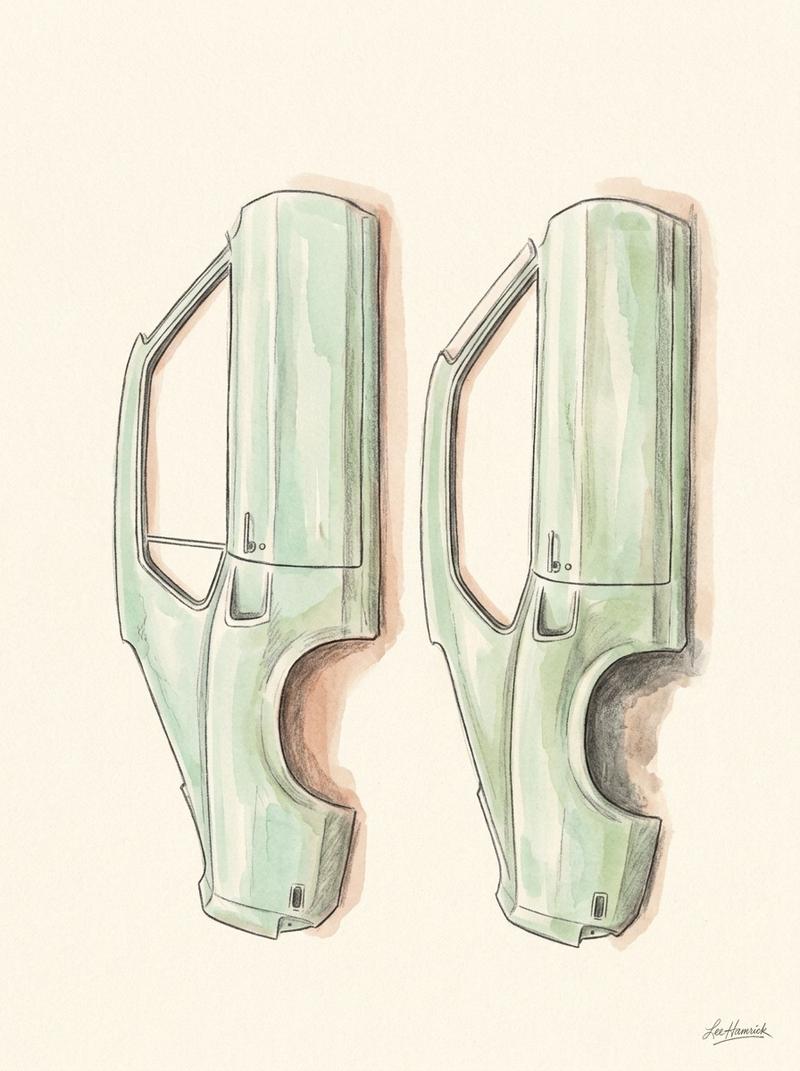
The approach that makes sense here, mixing used OEM components with aftermarket replacements, reflects a realistic read on the market. Correct original sheetmetal for a 1969 Mustang Sportsroof is out there, but condition varies and prices reflect demand. Collectors have been picking through these cars for decades. Aftermarket reproduction panels have gotten reasonably good on the high-volume classic platforms, and the first-gen Mustang is about as high-volume as the reproduction market gets. So the hybrid strategy, original where you can get it clean, repro where you can't, is the pragmatic call rather than a compromise. Anyone who tells you OEM is always worth the premium hasn't priced a clean original quarter panel lately. If you're sourcing parts the smart way, knowing where to look still matters.
The "brute force" part of this description is worth taking seriously, because it's honest in a way that build writeups often aren't. Old sheetmetal that has been sitting doesn't cooperate. Spot welds corrode. Panels that were once aligned to factory tolerances have shifted over fifty-plus years of temperature cycling, rust, and previous repairs. Getting things apart without destroying what you want to keep is skilled work, and getting new components to fit correctly is more skilled work still. A grinder and a hammer are real tools in this process. So is patience, though patience doesn't photograph as well.
What a project like this actually demands is sequencing. You can't just start pulling the old roof off and figure out the replacement as you go. The donor structure has to be understood before the original is touched. Fit-checks on the major components need to happen before permanent cuts are made. If repro quarter panels are involved, they need to be test-fitted before anything is welded, because chasing a misaligned panel after the fact is an expensive lesson. The people who do these conversions cleanly are the ones who spend time dry-fitting and marking before they commit.
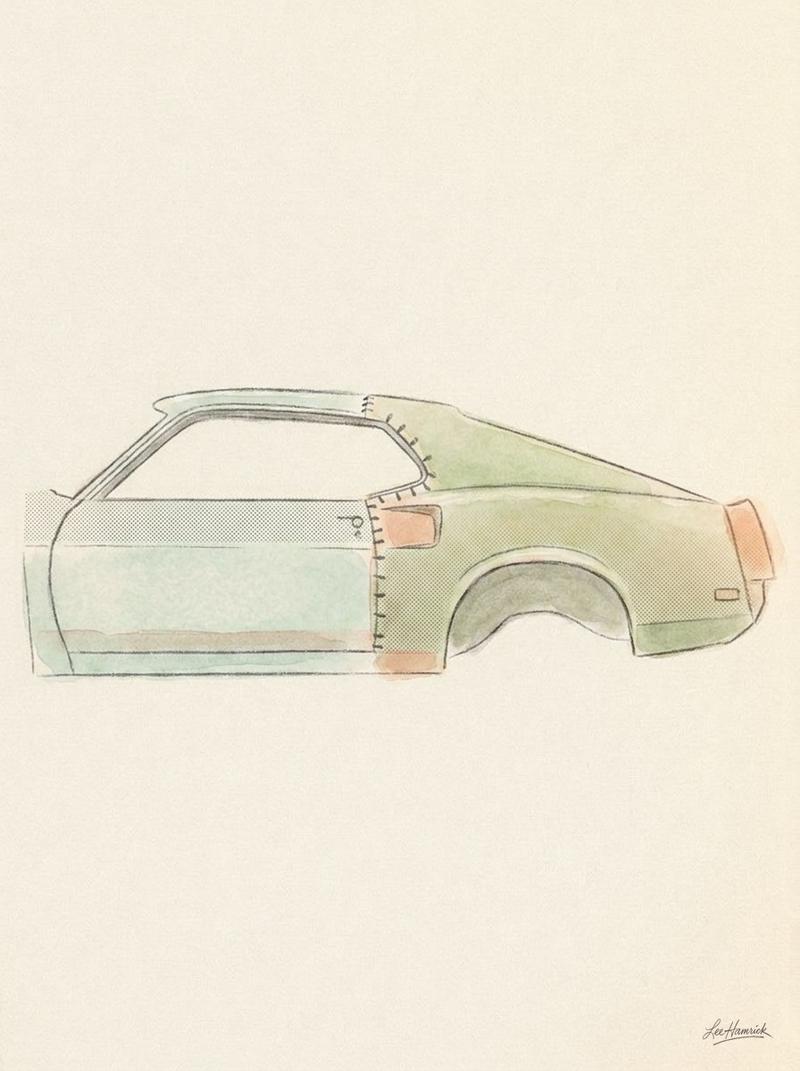
There's also a structural question that's easy to skip over in the excitement of the visual transformation. The 1969 Mustang is a unibody car. The roof and rear quarters aren't bolt-on accessories, they're part of the structure. Cutting the old material out and welding new material in changes how the car behaves. Done correctly, with proper attention to weld quality and seam sealing, the car comes out right. Done sloppily, you've introduced flex and potential corrosion entry points that won't be obvious until later. This is where the skepticism about rushed work is most warranted. A fast weld that looks fine at a glance can be hiding porosity, inadequate penetration, or both. You don't find out until something moves that shouldn't. For anyone newer to electrical and structural diagnostics on old iron, a solid grounding in basic troubleshooting tools is worth having before you're deep into a build like this.
The 1969 Mustang sits in a specific place in the used car and project car landscape. It's expensive enough that a botched conversion hurts, but common enough that parts availability is genuinely good by classic car standards. The Sportsroof is the desired body style, which means finished examples hold value, but it also means a correct conversion, done with care and documented, produces a car that can be explained and justified. A coupe that someone hacked at trying to make look like a fastback is a different thing entirely. The difference between a conversion done right and one done wrong lives in the details, the panel gaps, the seam locations, the glass fit, the places where the old and new sheetmetal meet. That same discipline separates a budget build worth respecting from one that isn't.
What's appealing about a project like this isn't the romance of an old car, exactly. It's that the problem is well-defined. You know what the car is supposed to look like when it's done. The 1969 Mustang Sportsroof is a documented object with a correct shape. Every panel gap, every body line, every piece of trim has a right answer. The job is closing the distance between what you have and that known target. That's a tractable problem, which is more than you can say for a lot of things.
Whether this specific coupe gets there depends on execution. The barn-find starting point is either an asset or a liability depending on what the rust situation looks like under the surface. Clean sheetmetal that's been sitting is one thing. Floors and rockers that have been quietly turning to powder for forty years are a different conversation. The body conversion is the visible part of the project. What's underneath it determines whether any of it lasts. It's the same lesson that applies to any barn-find build worth taking seriously: the surface tells you what someone wants you to see, and the floor tells you the truth.